Podcast marketing involves using podcasts to promote a brand, product, or message to a targeted audience. It enables marketers and agencies to build engagement and convert loyal listeners into paying customers.
Podcast marketing goes beyond running ads on a show. It’s building trust through storytelling, expert interviews, and conversations that matter to your target market.
In this guide, we break down everything you need to know about podcast marketing, the benefits, the setup process, and key strategies you can implement for success.
Table of Contents
What Is Podcast Marketing?
Podcast marketing refers to the use of podcasts as a marketing channel for increasing brand awareness. It allows marketers and agencies to connect with audiences through personal and engaging audio and video storytelling.
According to a 2025 Edison report, the average monthly population that has listened to or watched a podcast in the United States is approaching 55 million. The podcast consumption rate has been rising steadily since 2008.
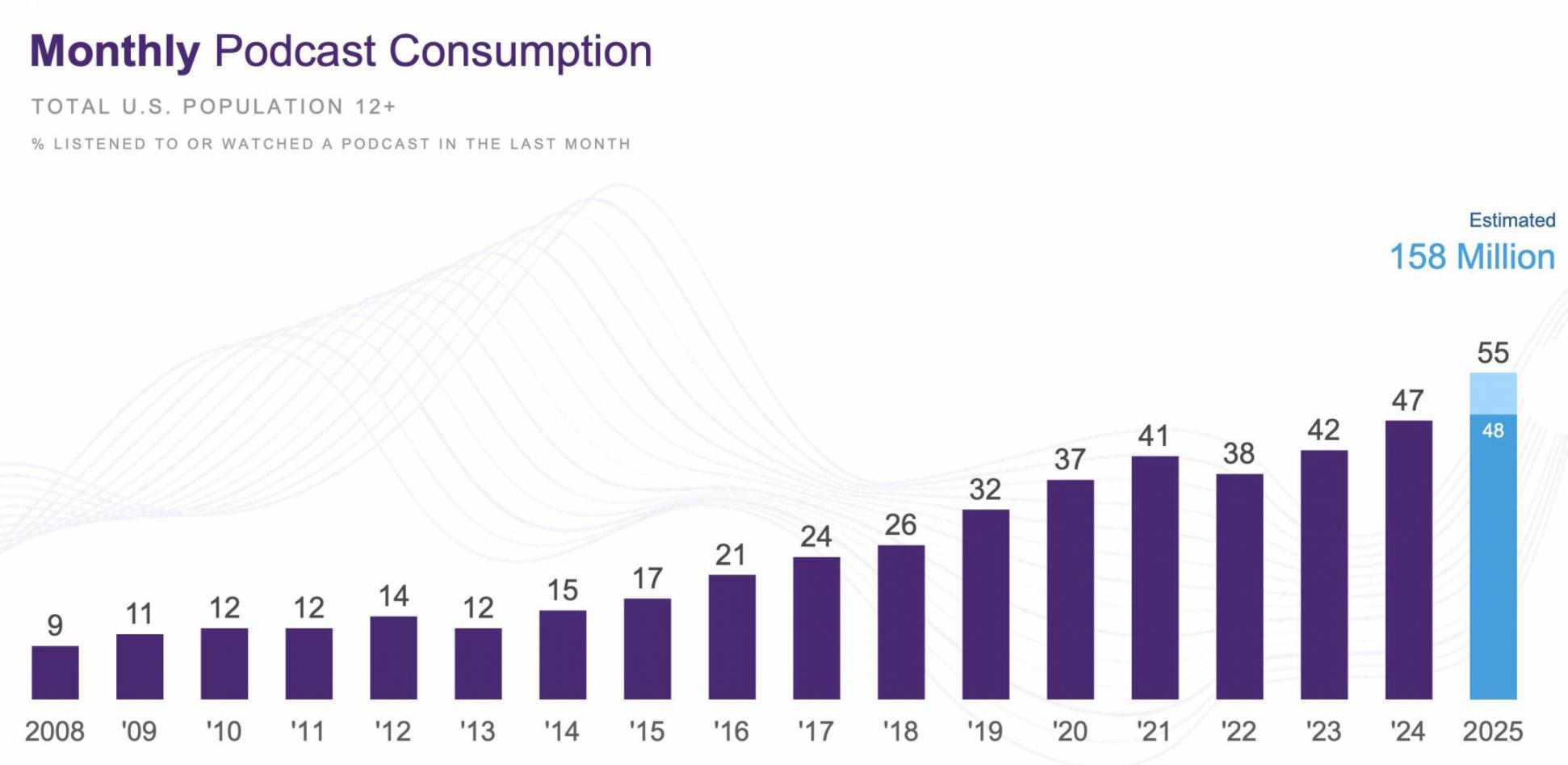
Image via Edison Research
A key area that differentiates podcast marketing from other media is its format and intimacy. Podcasts combine audio and video formats to reach niche audiences that are already interested in specific topics.
This format encourages listeners to stay tuned longer, allowing more time for meaningful engagement with your brand.
Benefits of Podcast Marketing Compared to Other Alternatives
As an emerging strategy, podcast marketing offers unique benefits compared to other alternatives like social media clips or ads.
They include:
Builds Trusted Connections
Podcast marketing gives you a voice. When people hear you speak, they sense your tone, personality, and emotion in a way text can’t deliver. That voice builds trust faster than written ads. It allows your brand to feel human and approachable.
For example, host-read ads perform well because listeners perceive them as genuine endorsements.
This is supported by a 2024 podcast report, which states that 42% of surveyed Americans trusted podcast content more than traditional media forms, such as newspapers.
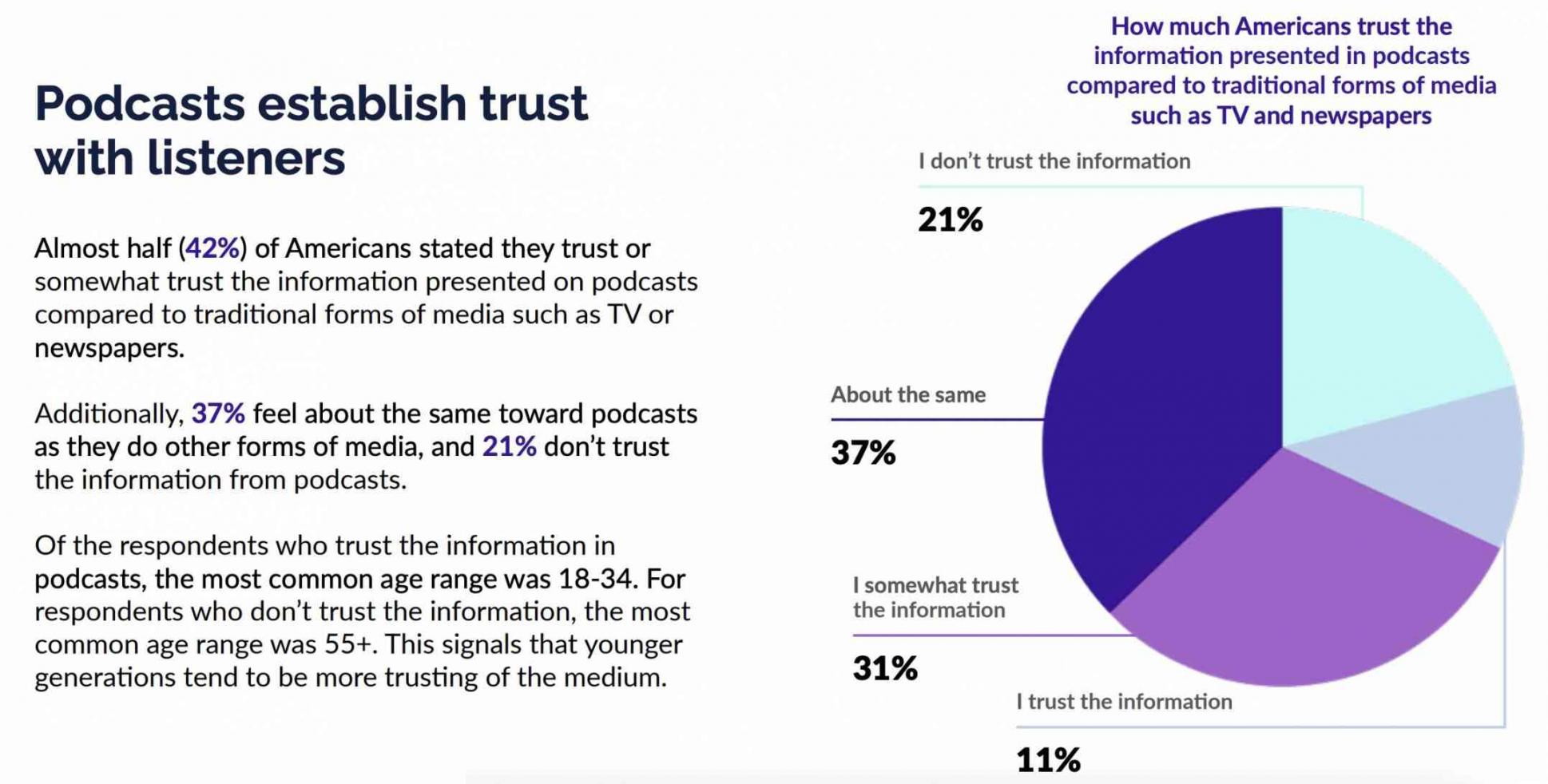
Image via Quill Podcasting
Holds Attention Longer
Podcast marketing gives you more time to deliver your message. Most listeners stay tuned for 20 minutes or more, which is far longer than they spend on a single ad network or post.
That extended attention allows you to tell stories and discuss ideas without rushing. This enables your audience to absorb more information and remember your brand better. That translates to higher retention without constant repetition.
Reaches Niche Audiences
Another benefit of podcast marketing is that it attracts highly focused audiences. You can target podcast listeners based on their interests, profession, or lifestyle, rather than trying to appeal to everyone.
When your content aligns with a niche audience, your message resonates more effectively. Listeners feel that you understand their needs, and that builds credibility.
This type of targeting is more effective than broad campaigns, which often reach the wrong audience.
Drives Consistent Engagement
Regular podcast episodes keep your audience coming back. Consistent episode uploads build trust, and listeners begin to expect your content as part of their routine.
Each episode gives you another chance to connect, share updates, and strengthen your brand voice.
This keeps your brand top of mind without feeling intrusive. Instead of fighting for attention through advertisements, you maintain a steady presence in your audience’s day-to-day life.
Fits Multitasking Lifestyles
Podcasts fit naturally into busy routines. People listen while driving, working out, or doing chores. This flexibility gives you access to audiences during times when they are unable to watch or read content.
Unlike regular visual and audio ads that need full attention, podcast marketing blends into daily life without disrupting it. This makes your marketing message more accessible. In short, you reach people in moments that other forms of marketing miss.
Offers Audience Insights
Podcast platforms like Spotify for Podcasters give you data on listener habits. You can track downloads, episode completion rates, and engagement levels. These metrics help you identify which topics perform best and where listeners tend to drop off.
This data-driven approach enables you to refine your messaging and plan more effective campaigns.
You don’t have to guess what your audience wants; you can see what works and focus on creating more of it.
Delivers Lasting Exposure
Podcast episodes stay online for years, giving you ongoing exposure long after launch. New listeners often find older episodes and listen from the beginning, keeping your content active.
Every episode continues to bring attention to your brand without incurring additional production costs. Plus, you can repurpose old content and infuse important parts into new episodes whenever you need to.
Creates Collaboration Opportunities
Podcasts open doors for collaborations with influencers and marketing experts. You can invite guests to share insights and discuss relevant topics, instantly broadening your reach.
Your collaborator’s followers often tune in, introducing your brand to their audiences. This marketing strategy enables you to expand your influence and create mutually beneficial and meaningful professional relationships.
Podcast Marketing Pre-Launch Checklist
Before you begin marketing your podcast, these are the prerequisites.
1. Audience & Market Research
Before you start podcast marketing, you need to know who you’re talking to and what they care about. Audience and market research help you determine that.
Podcast marketing and audience research involve studying your target listeners’ interests, age, habits, and challenges. You also examine what competitors are doing, what topics are already working, and the gaps you can fill.
For example, the 2025 Edison report earlier mentioned indicates that people aged between 12 and 34 are the most avid listeners of podcasts in the United States as of 2025.
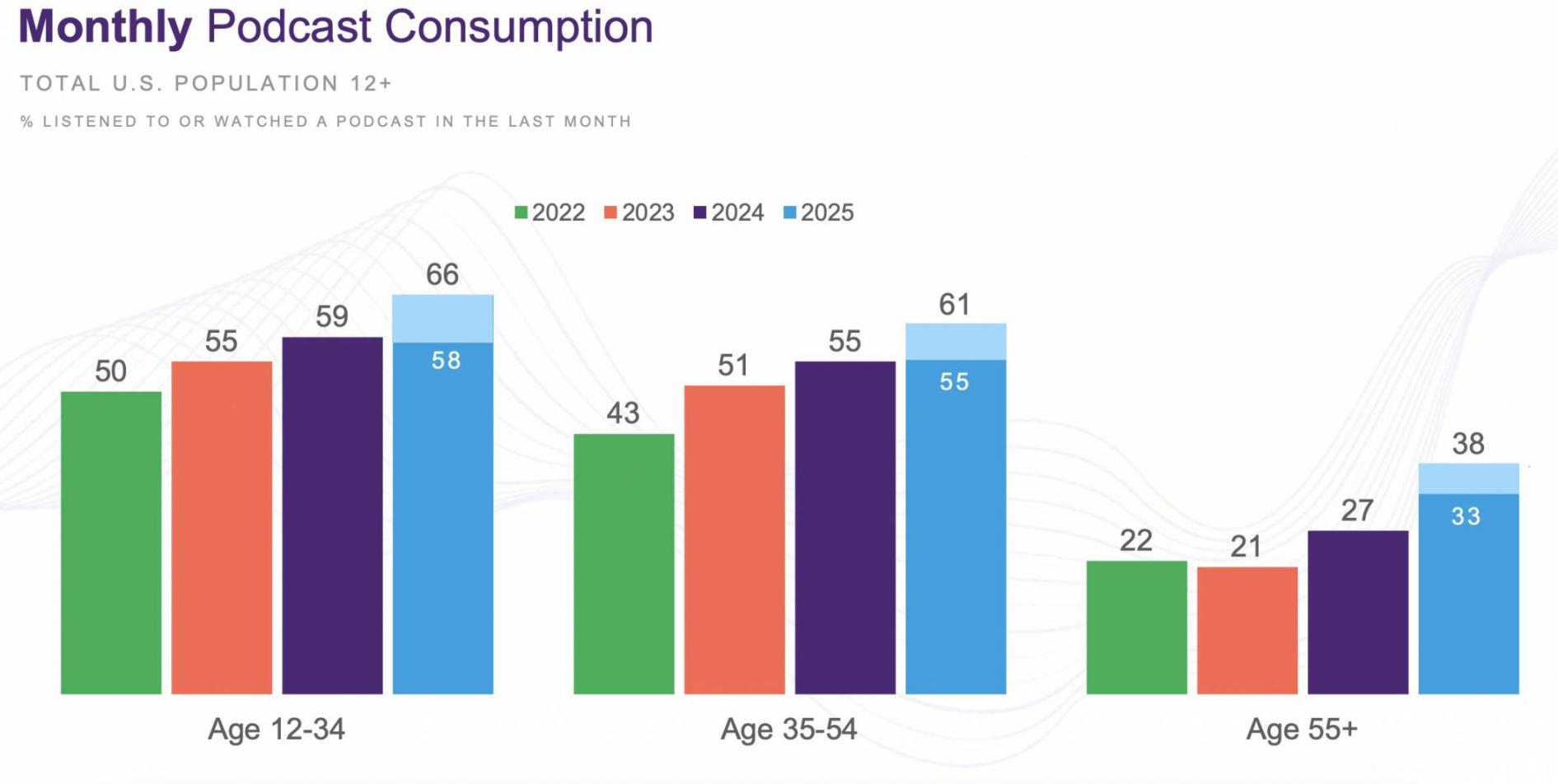
Image via Edison Research
Understanding listener demographics saves you time by helping you avoid guesswork. Audience research shapes your podcast’s focus, tone, and format so it connects with the right people.
2. Define Your Podcast Goals
Next, define your podcast marketing goals. This helps you map a clear direction before you invest in expensive equipment.
You need to know what you want your podcast to achieve. Answer questions like:
- Are you building brand awareness?
- Are you driving new leads?
- Are you educating your audience?
- Are you trying to position your company as a thought leader?
These questions help you determine the podcast marketing topics to cover, how frequently to publish, and the tone to use. Without clear goals, your podcast can lose focus, making it harder to attract or maintain your target listeners.
3. Choose a Podcast Format
You need to decide how you will present your show to your podcast audience. You need to select a structure that aligns with your marketing goals and audience.
Common formats include interviews, solo episodes, roundtable discussions, or storytelling. The format you choose affects how you plan episodes, engage guests, and deliver your message.
Plus, a podcast marketing format helps the right audience know what to expect each time they tune in, which builds consistency and trust.
4. Select the Right Podcast Software
Podcasting relies on tools that make recording, video editing, and publishing episodes smooth and professional. You need software that fits your production style, so look for features like clear audio quality, easy editing, and reliable file management.
Here’s an example of a podcast software that handles both audio and video.
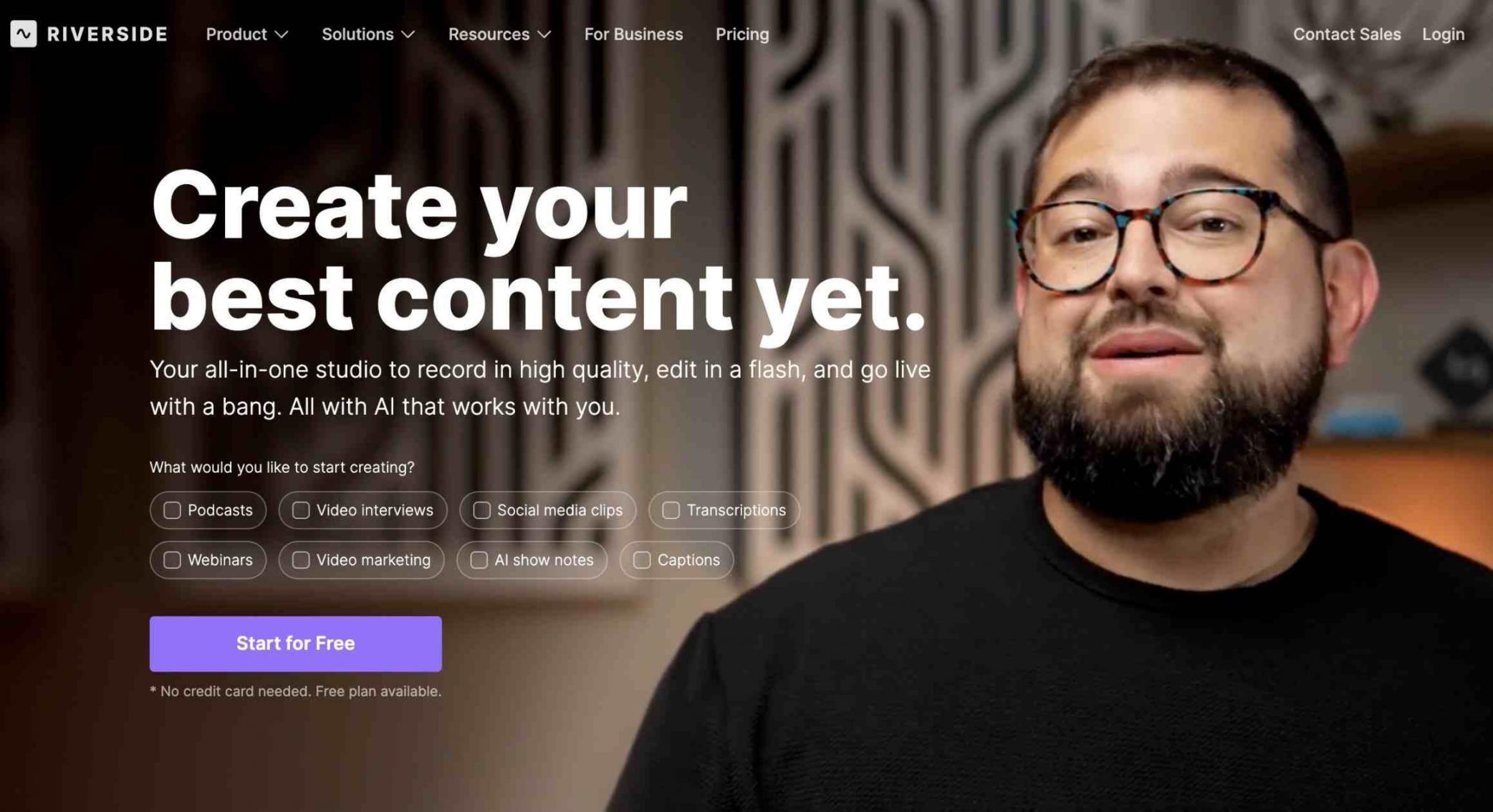
Image via Riverside
This step is crucial because your software has a direct impact on how your podcast performs and sounds.
When your audio is clear and well-edited, your message stands out. Your audience is also more likely to keep listening and share your podcast with others.
5. Create Podcast Branding
Consistency in podcast marketing is very important. Your target audience shouldn’t experience different versions of your brand, as that is confusing. You need to create podcast branding that reflects your business and what it stands for.
This involves choosing an appropriate podcast name, logo, tone, music, and attractive graphical elements that align with your brand’s personality.
Cohesive branding makes your podcast stand out and helps listeners remember you. Over time, your listeners will begin to associate your podcast with your brand, building trust and recognition.
6. Come Up With a Host/Guest List
You need relevant discussions on your podcast that will turn your listeners into buyers. So get a podcast host who understands your key topics and communicates clearly.
This step is essential because the right podcast hosts and guests can shape how your brand is perceived. For instance, podcast guests who add real experience or insights will make your podcast marketing message more impactful.
Planning your list early ensures every episode adds value and keeps listeners coming back.
7. Apply for Listing in Podcast Directories
It is highly recommended to submit your marketing podcast to platforms and forums where listeners easily find and subscribe to it. This process helps your show appear on major listening platforms, making it easier for audiences to discover your content.
A 2024 Cumulus Podcast Network report placed YouTube at the top of the most used podcast platforms, with a usage rate of 34%. This has also been confirmed with other surveys conducted by Triton Digital and Edison, as illustrated below.
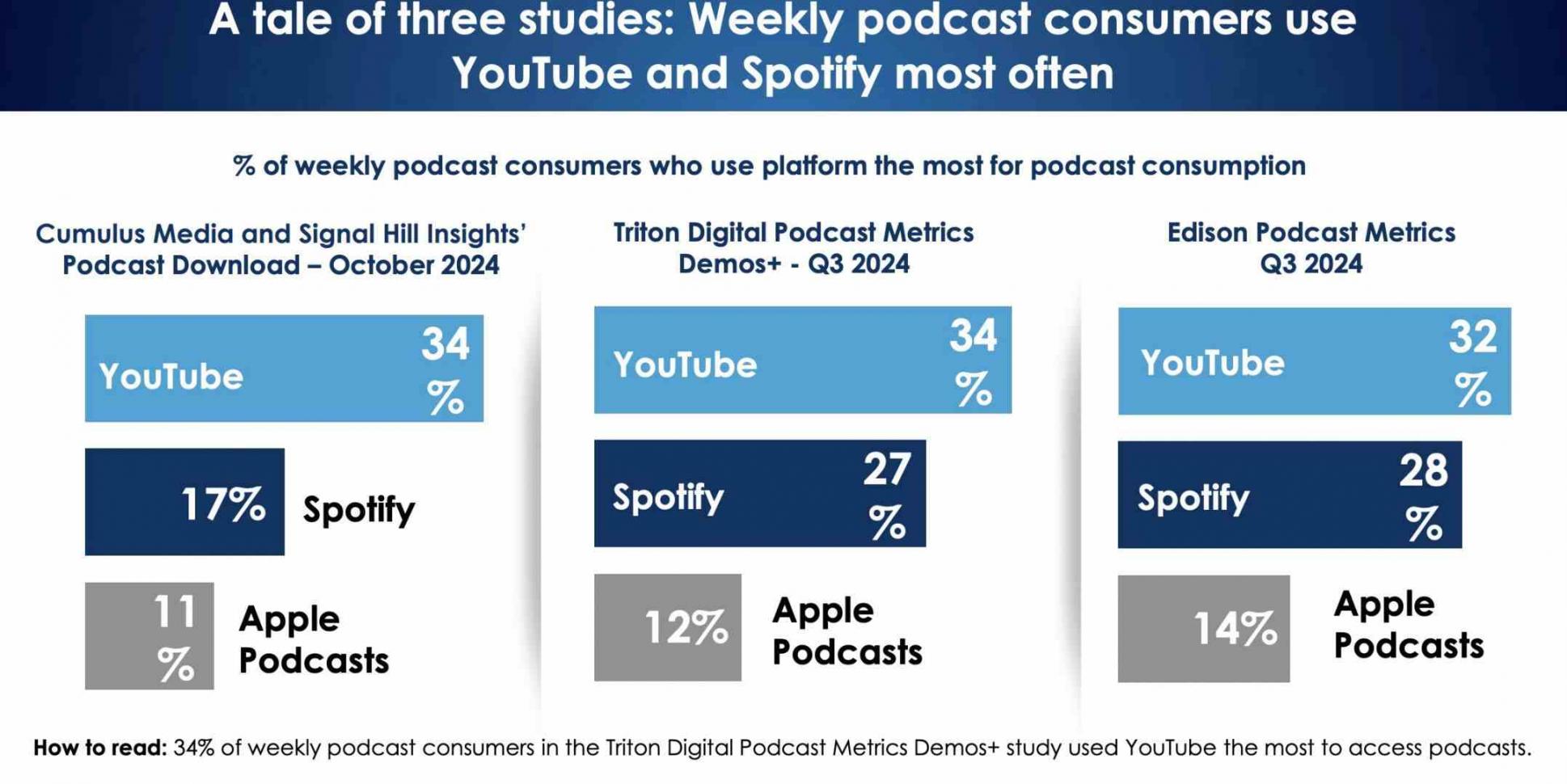
Image via Cumulus Podcast Network
Also, keep in mind that uploading content on popular podcast apps and directories builds credibility. This is because platforms like YouTube have strict guidelines that only permit helpful content.
8. Launch the Podcast
With all the podcast marketing pre-launch steps completed, you can now unveil your podcast. Plan a launch date, prepare marketing materials, and share the podcast across multiple platforms.
This phase includes building excitement on social media, sending announcements to your email marketing list, and encouraging early reviews.
Podcast Marketing Post-Launch: Growing Your Audience
The next stage after handling the pre-launch is growing your podcast audience to boost lead generation. Here’s how you can achieve that.
1. Implement Podcast SEO
Podcast marketing SEO helps your show get discovered by people searching on Google or popular podcast platforms. It utilizes different keywords, structured metadata, and high-quality SEO content that aligns with what podcast listeners are looking for.
Here’s how you achieve this:
- Research keywords your target audience uses before recording or publishing
- Write compelling episode titles that give a clear idea of the topic
- Add timestamps and relevant topics in your show notes for search precision
- Use alt text and metadata whenever you post episodes
- Monitor analytics to see which specific keywords and episodes drive the most traffic
2. Create an Upload Schedule
Creating an upload schedule means setting a fixed plan for when you release new podcast episodes. It helps you stay consistent, organized, and predictable to your audience.
A clear upload plan also keeps your production on track, making it easier to plan recordings, edits, and promotions without last-minute stress.
Other benefits of scheduling your podcast marketing episodes include:
- Improves podcast visibility as platforms reward regular uploads
- Makes content planning and guest coordination easier
- Encourages binge listening since audiences know when to expect more
- Reduces production stress by spreading out tasks evenly
3. Create Podcast Trailers
Podcast trailers are short audio clips that introduce your show to potential listeners in advance. You use them to highlight what each podcast episode is about and why someone should tune in.
A trailer also gives first-time listeners a quick preview of your tone, style, and content before they commit to a full episode.
Benefits of utilizing podcast marketing trailers include:
- Helps your podcast stand out on directories where trailers auto-play
- Builds anticipation before your official launch or new season
- Gives your marketing team a quick, shareable asset for campaigns and ads
- Improves listener retention since expectations are set from the start
4. Build a Podcast Website
A podcast marketing website provides a central hub where listeners can access all your episodes, show notes, and updates. You use it to present your podcast professionally, share transcripts, and post related marketing content.
Additionally, an official podcast site grants you complete control over branding, podcast SEO, and audience data. You decide the topics to publish, the graphical images to use, and you get access to backend analytical data on site visitors' behavior.
Here’s an example of a podcast website that even allows users to download the specific episodes to listen offline.
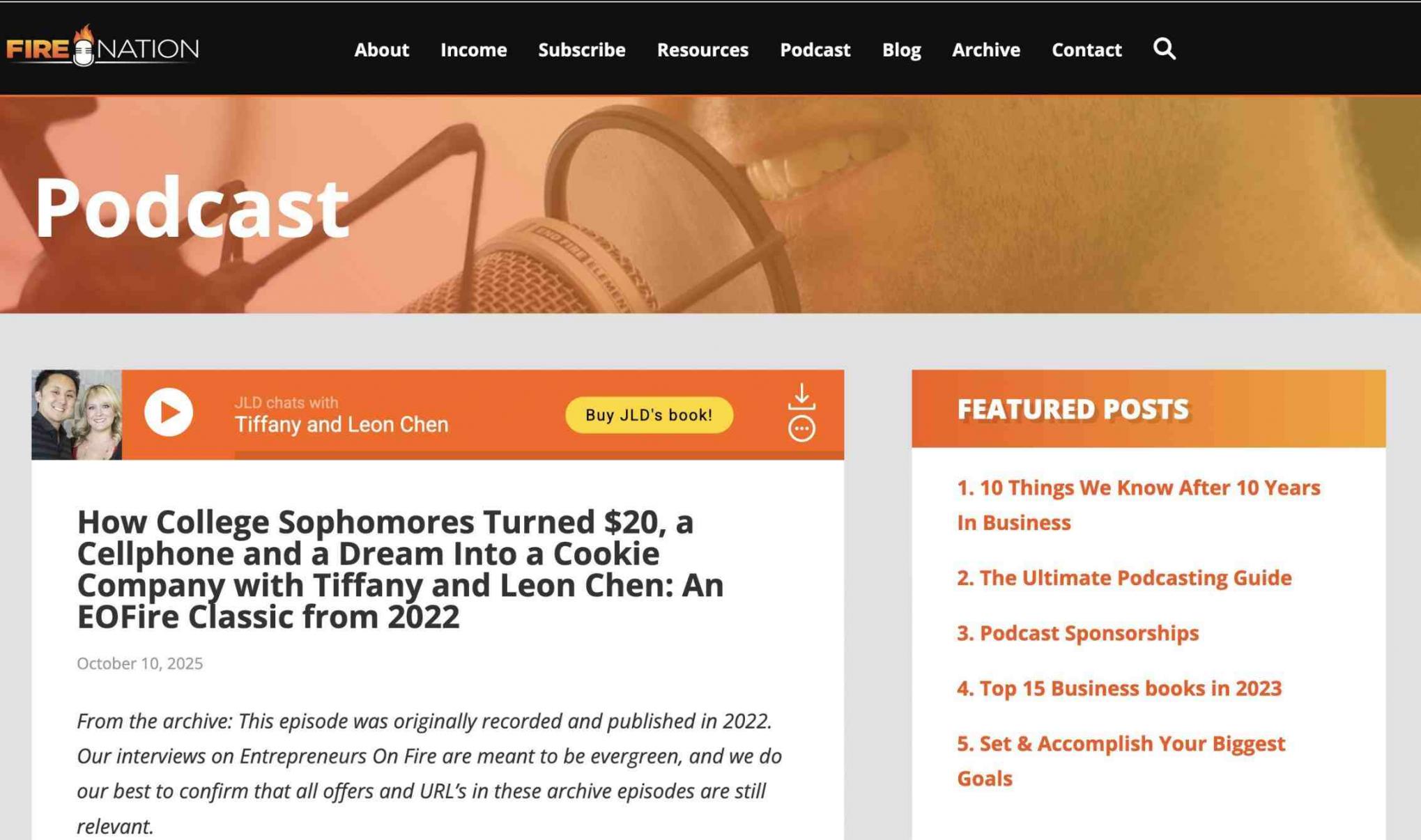
Image via Entrepreneurs on Fire
Benefits of building your website include:
- Increases your podcast’s visibility through search engines
- Gives you ownership of your audience, rather than relying on third-party platforms
- Builds credibility with a professional and consistent brand image
- Simplifies podcast promotion by linking specific episodes to email or ad campaigns
- Allows integration of web analytics tools to measure listener behavior
5. Use Social Media
Promote your podcast marketing episodes across social media platforms where your target audience already spends time.
For maximum impact, share short video clips, quotes, audiograms, and behind-the-scenes posts to spark interest.
There’s also the added advantage of directly engaging with your audience in the comment sections.
Other benefits of using social media to boost your podcast reach include:
- Expands reach by tapping into existing communities
- Drives consistent traffic to your own podcast website
- Encourages user-generated content and audience sharing
- Offers real-time feedback on content performance and listener preferences
- Supports ad campaigns and influencer collaborations for audience growth
6. Combine Video and Audio
Using both video and audio formats allows you to reach a wider audience across multiple platforms. You can optimize the video for different platforms while keeping the audio on podcast directories.
This mix helps you reach both visual and audio-focused audiences while giving your brand a more dynamic presence.
Here are the main benefits of adding video content to your podcasts:
- Strengthens brand trust by showing real faces behind the podcast
- Helps with SEO, as videos tend to perform better in search results
- Attracts partnerships that value visual exposure
- Provides more repurposing options for short-form content like reels or ads
- Increases social media engagement through shareable video clips
7. Transcribe Your Audio
Transcribing your podcast audio converts spoken content into a written form that can be indexed, shared, and repurposed for various podcast marketing purposes.
When you publish transcripts, search engines can crawl your content, making it easier for potential listeners to find your podcast online.
Furthermore, transcribing makes your episodes more accessible to people who prefer reading. Other benefits of transcribing audio for podcast marketing include:
- Expands accessibility for people with hearing difficulties
- Makes it easier to quote or reference parts of an episode
- Speeds up content repurposing for blogs or social media posts
- Makes it easier for marketers to extract data, stats, or soundbites
8. Utilize Paid Advertising
Paid podcast advertising helps you grow your podcast faster by targeting the right people with precision and accuracy. You can run a podcast ad on platforms like Google Ads, YouTube, Spotify, and social media platforms like TikTok or Instagram.
Furthermore, podcast advertising offers the flexibility to test different messages. You can also track results from your RSS feed and adjust campaigns for improved conversions.
Other potential benefits include:
- Drives immediate visibility for new episodes
- Builds brand awareness through repeated exposure across channels
- Allows precise budget control and measurable ROI tracking
9. Collaborate With Other Podcasters
Collaborations with other podcasts can expose your brand to new listeners. You gain access to people who already trust the podcaster you’re partnering with, and that increases conversion potential.
You can co-host other podcast episodes, appear as a guest on their show, or create a joint mini-series that merges your podcast marketing audiences.
Key podcast marketing benefits include:
- Builds your authority by associating your brand with trusted voices
- Increases discoverability through shared mentions
- Creates fresh and engaging content for both audiences
- Reduces marketing costs through mutual content sharing
- Adds authenticity to your show by mixing different perspectives
10. Use Email Newsletters
Email newsletters maintain a connection with your podcast audience while they wait for the next episode. You can use them to share behind-the-scenes updates or new releases, like in the example below.

Image via ReallyGoodEmails
This keeps you in conversations, ensuring your brand remains fresh in people’s minds. Here are additional podcast marketing benefits of using email newsletters:
- Strengthens brand awareness by keeping your content visible
- Drives traffic to your podcast platforms
- Encourages listener interaction through polls or feedback links
- Helps track audience preferences through email analytics
11. Use Compelling CTAs
Never assume your audience can figure out what you need from them at the end of an episode.
You need compelling CTAs to turn casual listeners into active participants. They guide your audience toward an explicit action that supports your marketing goals.
You can use CTAs like “Subscribe for more episodes,” “Join our email list for updates,” or “Share this episode with a friend.” This direct approach also builds measurable engagement.
Compelling CTAs help podcast marketing in the following ways:
- Strengthens brand recall by repeating your message
- Provides immediate listener engagement
- Increases subscription rates
- Directs people to other related marketing offers
Podcast Marketing Strategies: Additional Tips Worth Trying Out
To further increase the success of your podcast marketing, here are additional tips we highly recommend.
Build a Community
Creating a community around your podcast builds a loyal listener base that interacts with your brand beyond the episodes. Use social media platforms and Discord servers to continue the discussions and drive traffic back to your website.
You can also host live Q&A sessions or virtual meet-ups to maintain high engagement. This is also good for listeners as they feel more connected when they ask questions or engage with other fans.
Run Giveaways and Contests
Giveaways and contests provide your podcast marketing audience with an incentive to continue listening. You can offer prizes such as branded merchandise, complimentary consultations, or exclusive access to future episodes.
You also attract new audiences who may continue listening even after the contest ends. In the long run, this is a low-cost way to grow visibility and collect user data that can guide future promotions.
Repurpose Content
You can reach new podcast marketing audiences by simply repurposing old podcast content if you don’t have the time to create new episodes. This is a better stopgap solution than leaving your audience waiting for too long.
Additionally, repurposed content maintains your consistency without heavy production costs.
Contract a Professional
Hiring professionals for production, editing, or social media marketing can raise your podcast’s quality and credibility.
Clean audio, sharp visuals, and consistent branding make your podcast appear more trustworthy to both listeners and potential sponsors. Outsourcing also allows you to focus on strategy and guest management instead of technical tasks.
These experts include audio engineers, marketing consultants, or publicists.
Capitalize on Trends
Using trending topics or formats can help your podcast marketing efforts attract fresh attention. You can create episodes around industry news, viral discussions, or trending keywords.
For example, discussing emerging marketing tips, trends, or platform changes can make your podcast a go-to source for quick insights.
This approach positions your podcast as timely and relevant, attracting new listeners already interested in the subject.
Speak at Events
Speaking at conferences or virtual panels gives you exposure to new audiences who trust expert voices.
For instance, sharing your podcast journey and the marketing results can build authority in your field and attract listeners who value your experience.
Event appearances also allow you to network with brands, guests, and potential sponsors. Participation alone can double as brand promotion and lead generation.
Use Influencer Marketing
Partnering with influencers helps you reach audiences that already trust their recommendations. Their endorsement exposes your podcast to a larger audience and builds credibility faster than paid ads alone.
The benefits of influencer marketing go both ways for involved parties. You gain access to their followers while they get valuable content exposure.
Common Podcast Marketing Pitfalls To Avoid
Marketing a product or a service through any channel isn’t always guaranteed to work. However, to stand a chance of achieving your podcast marketing goals, here are common mistakes you should avoid.
Neglecting Discovery Mechanics
Many podcast marketing attempts fail because listeners can’t find them easily. Ignoring discovery mechanics, such as search engine optimization, reduces your visibility on podcast platforms and search engines.
Writing headlines, episode names, and descriptions without optimization keeps them unseen. Poor tagging or missing transcripts also limit how search algorithms surface your episodes.
To fix this:
- Use clear, keyword-rich titles and descriptions
- Write detailed show notes
- Upload audio transcripts
- Add categories, tags, and timestamps for easier classification
- Encourage reviews and ratings to help algorithms recommend your shows
Over-Focusing on Metrics
Chasing numbers can make you lose sight of long-term podcast marketing goals. For example, constantly checking downloads or followers may lead you to make decisions that please algorithms rather than your listeners.
You might push out more content at the expense of quality or chase trends that don’t fit your brand. This can lead to audience burnout and ultimately, a drop in engagement.
To fix this:
- Focus on meaningful metrics like retention rates and average listening times
- Set realistic goals for both reach and listener satisfaction
- Use data analytics to understand what works and what doesn’t
- Go after building long-term audience loyalty
Inconsistent Publishing
An irregular release schedule can confuse your audience and damage trust. If you skip weeks or post randomly, listeners stop expecting new podcast marketing episodes and may unsubscribe.
Inconsistency also hurts how platforms rank your show, reducing visibility. Once lost, you’ll struggle to regain the lost momentum.
To fix this:
- Set realistic publishing schedules that fit your team’s workflow
- Batch record and schedule episodes ahead of time
- Inform your listeners in advance if you plan to take a break
Low Content Quality
Poor sound quality, weak storytelling, or video editing mistakes can make a podcast seem unprofessional. Even great podcast marketing topics can fail if episodes lack structure or purpose. When the listening experience feels rough, it reflects poorly on your brand.
To fix this:
- Invest in proper recording equipment and video editing tools
- Plan each episode with a clear outline and purpose before recording
- Edit out filler and improve sound clarity before publishing
- Hire a podcast professional who can handle the quality work
Trying To Be Everything to Everyone
Casting your podcast marketing net too wide can make your marketing message unclear. If you target every audience segment, your content will lose focus and identity.
Topics that are too broad can confuse potential listeners about what your show offers. As a result, you attract fewer loyal followers and limit the effectiveness of your marketing efforts.
To fix this:
- Choose a clear niche that aligns with your goals and audience
- Focus on solving specific problems or addressing one clear interest area
- Speak directly to that group with a consistent tone and theme
Ignoring Feedback
Ignoring reviews, social media comments, or survey responses creates a one-sided relationship.
Eventually, this disconnects you from your audience because your listeners feel unheard. They simply stop engaging with your podcast marketing content and move on to your competitors.
To fix this:
- Take feedback seriously by reviewing comments and social listening
- Thank users for their input and make visible adjustments when possible
- Use feedback sessions or polls to gather opinions about topics, length, or style
Understimating Promotional Work
Lastly, don’t rely solely on organic growth, as it usually takes a long time. Assuming quality content will market itself limits exposure. Without podcast marketing promotion, even strong shows stay hidden among thousands of others.
To fix this:
- Share every episode across social media, newsletters, and industry groups
- Collaborate with other podcasters for cross-promotion
- Repurpose clips into short videos or quotes to increase reach
- Consider a paid podcast ad
FAQ
Q1. What is a marketing podcast?
A. A marketing podcast is an audio or video show that brands use to reach and engage their target audience. It enables marketers to share stories, industry insights, or customer experiences in a personal and conversational manner.
The podcast marketing goal is to build trust, increase brand awareness, and maintain a connection with audiences over time.
Q2. Is a podcast a good marketing strategy?
A. Yes. Podcasts help brands connect with loyal and targeted listeners. They provide marketers with space to explain ideas, showcase their expertise, and build relationships that extend beyond short podcast ads. The format feels authentic, making it easier to win audience trust and attention.
Q3. What is the best way to market a podcast?
A. There’s no fixed way to market a podcast that can be described as the best. It all depends on what your marketing goals are. Overall, some options you can try out include:
- Share episodes across all social media platforms
- Use email newsletters to alert subscribers about new content
- Collaborate with other podcasters or industry experts
- Optimize titles and descriptions with clear keywords
- Encourage reviews and listener shares to grow reach
Q4. How do podcasts make money?
A. There are multiple ways that podcasts make money, including:
- Sponsorships and ads placed within episodes
- Paid subscriptions or exclusive bonus content
- Affiliate marketing links mentioned in episodes
- Brand partnerships and collaborations
- Promoting the brand’s own products or services
Q5. Which platform is best for podcast marketing?
A. Popular podcast apps include Spotify, Apple Podcasts, and Google Podcasts. Platforms like YouTube and LinkedIn can also help promote episodes and reach professional audiences.
Embedding episodes on your company website and including them in newsletters outside podcast platforms also helps drive cross-platform visibility.
Q6. How can I measure the success of my podcast marketing?
A. Success in podcast marketing depends on both listener behavior and brand outcomes. You can track metrics like downloads, listening time, and audience retention to understand engagement levels.
You should also monitor traffic spikes, conversions, or lead inquiries that follow podcast campaigns. Collecting listener feedback and tracking social mentions gives more context on how people interact with your content.
Q7. How often should I release new podcast episodes?
A. The best podcast marketing schedule is one you can maintain consistently. Whether weekly or biweekly, sticking to a clear routine helps your audience form listening habits.
Plan your production schedule, create a few episodes ahead of time, and keep a publishing calendar. A consistent release rhythm shows professionalism and signals reliability, which builds stronger audience trust and engagement.
Time to Adopt Podcast Marketing
Marketing is a constantly evolving phenomenon, and podcast marketing is another effective strategy worth adopting. Like any other marketing tactic, it requires ample preparation. Start by researching your audience and defining your goals before launching your platform.
You can then embark on promoting it via social media, podcast SEO, collaborations, and more. All these combined give your brand the exposure it needs to reach new audiences.
Also, connect with the right podcast launch service to set your podcast marketing campaigns into motion.