Growing a small business can be tough, especially when paying for expensive ads. Influencer marketing helps small businesses reach a ready-made, highly engaged audience more effectively.
Instead of pushing promotions, you work with creators who speak directly to your ideal customers. These influencers introduce your brand in an honest and relatable way, without being pushy.
Influencer marketing helps messages feel natural and leads to stronger engagement without heavy spending. When done right, it helps you build trust, increase brand awareness, and drive sales.
Getting started does not require large contracts or complex tools, and this guide will show you how.
Table of Contents
What Is Influencer Marketing for Small Business?
Influencer marketing for small business involves partnering with popular social media personalities to promote your product or service. These individuals typically have a vast and engaged following across numerous social media platforms.
Influencers can sway consumer opinions and purchase decisions through their authentic and relatable content. This presents you with a unique opportunity to leverage their credibility and reach to increase your online visibility and brand awareness.
A recent State of Influencer Marketing report showed that 71% of marketers increased their influencer marketing budgets in 2025. This further reinforces the importance of influencer marketing in the current business environment.
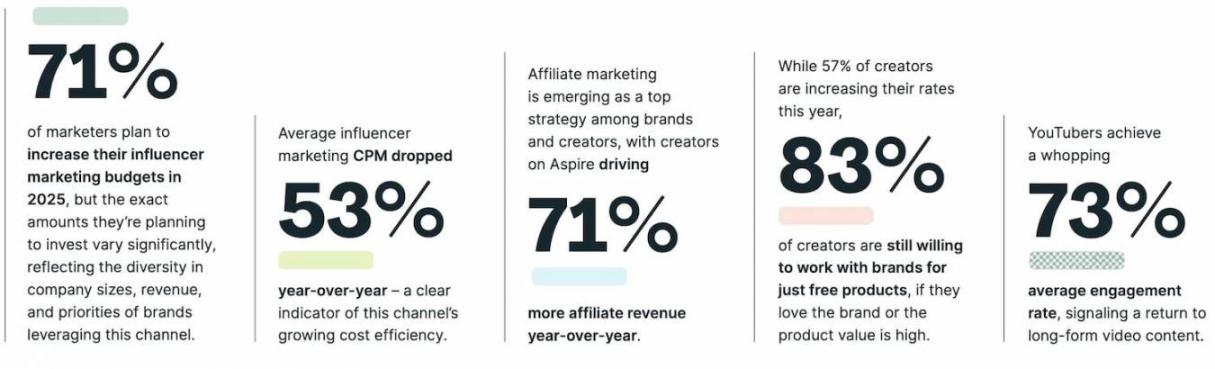
Image via Aspire
Types of Influencers
There are various types of influencers based on follower count and reach, and we expand more in this detailed post. Below is a summary of the major ones.
Mega Influencers
A mega influencer is someone who has over 1 million followers and a broad reach, making them suitable for large-scale campaigns. However, working with these influencers may come at a higher cost.
Chiara Ferragni is an example of a mega-influencer in the fashion industry who has collaborated with several beauty and fashion brands.

Image via Instagram
Macro Influencers
These influencers have follower counts ranging from 100,000 to 1 million. A macro-influencer may have a more extensive reach but a slightly less engaged audience compared to micro-influencers.
Ashley Galvin, a yoga instructor with more than 500,000 followers, is an ideal example of a macro-influencer.
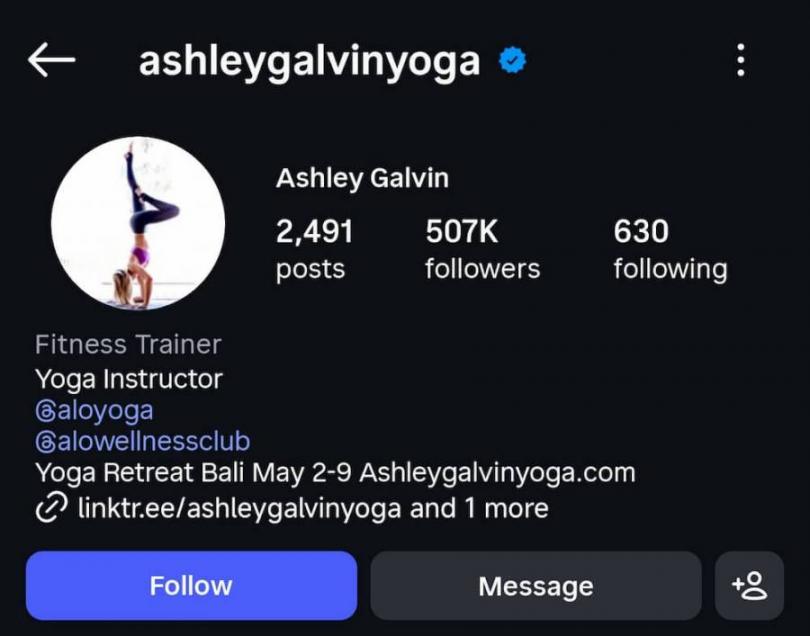
Image via Instagram
Micro-Influencers
A micro-influencer has a smaller but highly active follower base, ranging from 10,000 to 100,000 followers. They often have a more personal and authentic connection with their followers because they’re more niche.
Chelsea Martin is a micro-influencer in the travel industry with over 28,000 highly engaged followers.
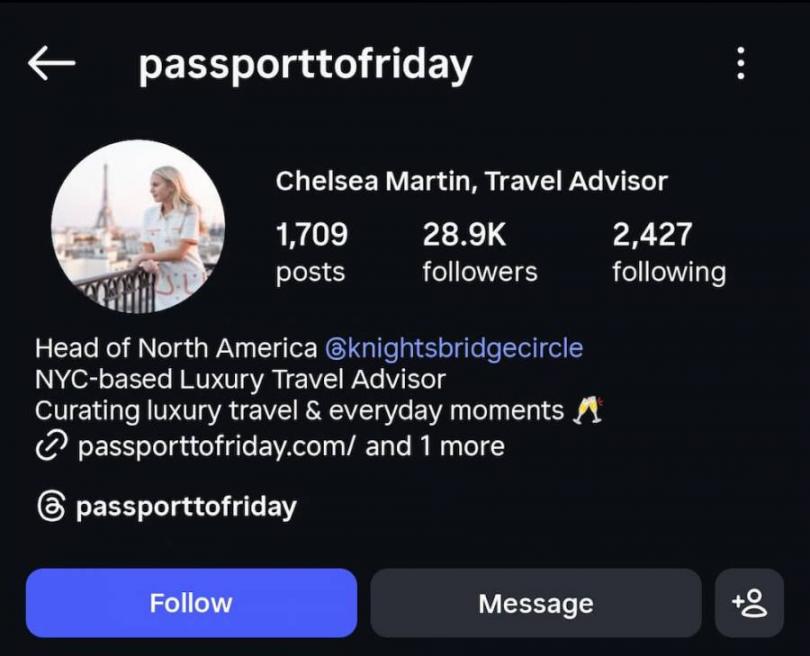
Image via Instagram
Nano Influencers
Nano influencers also have small but highly engaged followings, usually below 10,000 followers. They have an intimate connection with their audience, which typically consists of friends, family, or community members.
For example, Sarah Samantha is a Canadian nano-influencer with more than 8,000 followers.
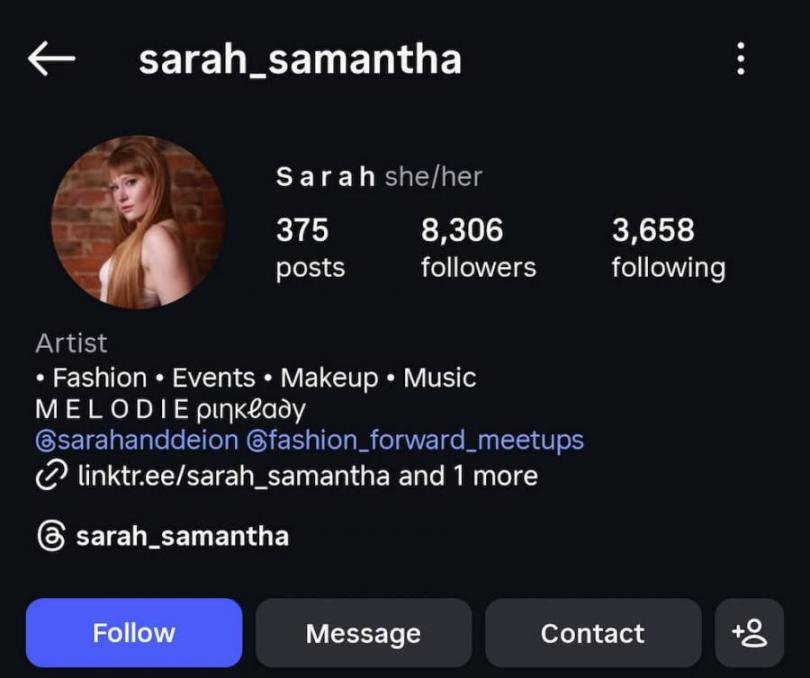
Image via Instagram
Pro Tip: As a small business owner, working with micro and nano influencers can help you increase engagement while staying within your budget.
Why Does Influencer Marketing for Small Business Matter?
Small business influencer marketing is a powerful strategy for several reasons.
Builds Credibility and Trust
Consumers today are more likely to trust recommendations from influencers they follow on social media rather than traditional advertising. Why?
Influencers have built rapport with their followers, making their endorsements feel more genuine and trustworthy compared to traditional ads. True to the fact, 47% of consumers trust influencers who maintain authenticity, even when sharing sponsored content.
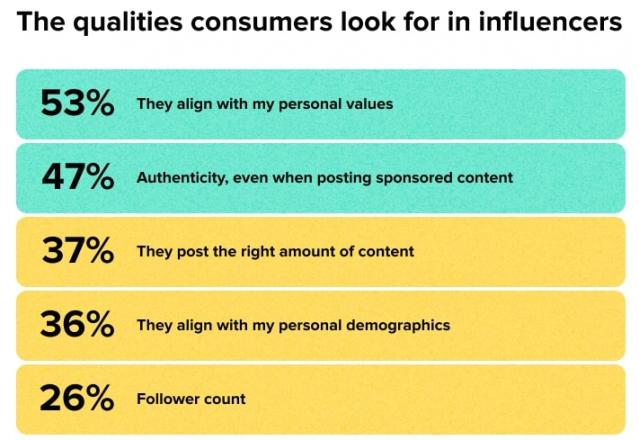
Image via Sprout Social
By partnering with influencers, you can create authentic connections with your target audience.
Increases Engagement
Influencers can drive higher engagement levels compared to traditional advertising. Their followers actively seek and value their content, leading to increased interaction with your products or services.
Helps You Stay Within Budget
With influencer marketing, you can tap into already-established audiences without incurring high advertising costs.
A Step-By-Step Guide to Influencer Marketing for Small Business
Influencer marketing for a small business is not just about working with any popular influencer. You’ll need a solid marketing strategy to ensure sustainable and impactful results. Don’t worry; we’ll take you through the process one step at a time.
Step 1: Set Your Campaign Goals and Budget
What do you want to achieve from your influencer marketing for small business campaigns, and how much are you willing to invest?
Whether you aim to increase brand awareness, drive website traffic, or increase sales, having well-defined campaign goals will guide your entire strategy. What’s more, assessing your budget ensures your resources align with your objectives.
Here are a few tips to keep in mind.
- Identify key performance indicators (KPIs) – Establish measurable KPIs that resonate with your marketing goals to help you assess the performance of your influencer marketing for small business campaigns. Common KPIs include the number of impressions, click-through rates, conversion rates, and social media engagement.
- Set a realistic budget – Working with mega-influencers may not be realistic for small businesses with limited budgets. Setting a realistic budget helps you find influencers who can provide the best value for your investment.
Step 2: Define Your Target Audience
How well do you know your target audience? If you don’t understand your audience, you risk investing resources in influencer marketing for small business campaigns that may never reap significant results.
Defining your target audience helps you choose influencers who already have a personal rapport with the people you want to reach.
Let’s take a closer look at what you must consider in identifying your ideal customer.
- Demographics – Start by understanding the basic characteristics of your target audience, including age, gender, location, education level, occupation, and income.
- Interests and hobbies – Understand your audience’s interests. This will guide you in creating relatable, authentic content and selecting the right influencers.
- Behavior and lifestyle – Does your audience prefer online shopping or in-store experiences? Understanding their behavior helps you tailor your influencer marketing for small business campaigns to meet their needs.
- Challenges and pain points – Identify your potential customers' challenges and pain points to position your product or service as a solution.
Step 3: Choose The Right Social Media Platforms
Each social media platform has its unique demographics and content style. You can choose one or multiple platforms, depending on your resources, audience preferences, and content strategy.
Consider where your target audience is most active and engaged. Here’s a breakdown of some popular platforms and their characteristics.
- Instagram: Instagram is popular among younger audiences, particularly those between 18 and 34 years old. You can use this platform to post visually appealing content, such as photos and short videos.
- YouTube: You’ve probably already watched an interesting or educational video on YouTube. This platform appeals to diverse users. However, it is more popular among users aged 18-49. YouTube is ideal for long-form videos, such as tutorials, reviews, and vlogs.
- TikTok: TikTok predominantly attracts younger users, particularly Gen Zers. This platform is suitable for short, creative, and engaging videos.
Pro Tip: Choose an influencer marketing platform that aligns with current trends to stay relevant and maximize your reach.
Step 4: Research and Identify Relevant Influencers in Your Niche
After choosing the ideal social media platforms for your influencer marketing for small business campaigns, it’s now time to look for the right influencers. Thoroughly research and identify influencers who align with your brand values and target audience.
Ensure their content resonates with your brand and that they can seamlessly incorporate your products or services into their narrative.
Here are a few tips to help you effectively research and find relevant influencers:
- Leverage relevant hashtags and keywords – Search relevant hashtags and keywords related to your niche. This can lead you to influencers who are actively engaging with your target audience and creating valuable content.
What’s more, branded hashtags can help you find influencers who are already interested in your business. Here is an example of an Instagram hashtag relevant to the fashion industry.
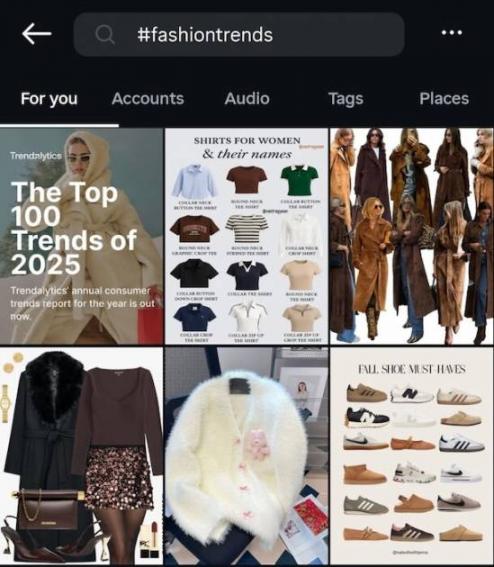
Image via Instagram
- Use influencer marketing platforms – Take advantage of influencer marketing platforms like Traackr, AspireIQ, or Upfluence to find relevant influencers. You can start by reading this Upfluence review to learn more about the influencer marketing platform.
- Practice social listening – Monitor conversations and trends within your industry using social media listening tools. This allows you to identify influencers who actively engage in conversations related to your particular niche.
Step 5: Reach Out to the Right Influencers
You have compiled a list of relevant influencers or narrowed it down to one that aligns with your goals. Now, how do you reach out to them?
Consider the following tactics when reaching out to potential influencers:
- Focus on building genuine relationships – Take the time to engage with the influencer's content on social media, share comments, and express sincere interest in their work. This personal touch increases your chances of getting a positive response and lays the foundation for a lasting and authentic partnership.
- Personalize your outreach messages – Address the influencer by name and clearly explain why you believe a collaboration would be mutually beneficial. Showcase how your brand aligns with the influencer's audience and niche.
- Be transparent about your expectations – You want to establish trust from the start. Communicate your expectations for the collaboration. Be transparent about what you are proposing—whether it's a product review, sponsored post, or other partnership.
Step 6: Collaborate with Influencers on Content Ideas
You already know that valuable content is what made your chosen influencer popular in the first place. So, you’ll want to listen to their ideas and insights. Don’t take away the creative reins from them entirely.
Here’s how you can effectively collaborate with influencers to create high-quality content:
- Provide guidelines, not restrictions – Provide general guidelines that ensure the content aligns with your brand values while providing room for the influencer's creative freedom.
- Provide resources and ample support – Ensure the influencer has the necessary resources and support to execute their ideas effectively. This may include providing access to high-quality visuals or product samples.
Step 7: Measure and Analyze Campaign Performance
Influencer marketing for small businesses is most effective when you consistently track campaign performance. Measuring the right metrics helps you evaluate what’s working, identify what’s not, and uncover insights to optimize future campaigns.
You can use web analytics tools like Google Analytics, influencer marketing software solutions, and social media analytics to track performance.
Now, depending on your campaign goals, there are several metrics you can prioritize, including:
- Engagement rate – Monitor engagement metrics such as likes, comments, shares, and overall reach. These metrics help gauge how well the content resonates with the influencer’s audience and the level of interaction it generates.
- Click-Through Rate (CTR) – Use reliable influencer marketing software like Upfluence to assess how many people navigated to your website from the influencer’s content.
- Conversion rate – If your goal is to increase conversion, track the conversion rate attributed to the influencer marketing efforts. Use tracking links and UTM parameters to attribute conversions accurately.
FAQ
Q1. How do I start with influencer marketing as a small business?
A. Here are some steps on how to get started with influencer marketing for small business:
- Define your goals and budget
- Understand your target audience
- Choose the ideal social media channels
- Research relevant influencers in your industry
- Reach out to influencers
- Work with influencers to create authentic content
- Measure campaign results
Q2. How do I reach out to influencers to promote my business?
A. Start by engaging with their content to create a genuine connection. You can then send them personalized outreach messages, highlighting the mutual benefits of your collaboration.
Q3. Can a local business use influencer marketing?
A. Yes. Local businesses can benefit significantly from influencer marketing by collaborating with influencers within their area. Local influencers often have a more targeted audience, leading to increased brand visibility within the community.
Q4. How many followers do you need for influencer marketing?
A. While there are no restrictions, micro-influencers with a few thousand to around 100,000 followers are often more effective in influencer marketing for small business. Micro-influencers tend to have higher engagement rates and a more niche-specific audience.
Q5. How much money goes into influencer marketing?
A. How much you spend on influencer marketing for small business campaigns may vary depending on factors like the influencer's reach, engagement, and the scope of your campaign. Start with a budget that aligns with your business goals and be open to adjusting it based on the influencer’s rates.
Get Started with Influencer Marketing for Small Business
Influencer marketing for small business can enhance your brand’s online presence, build credibility, and expand your reach.
By following the step-by-step guide outlined above, you can execute successful influencer marketing campaigns that yield tangible results.
However, remember that the digital marketing landscape is constantly changing, and what works today might be irrelevant in the future. So, partner up with the right influencer marketing service and continuously improve your strategies to maintain a competitive edge.