Performance marketing is now a widely embraced digital marketing strategy, not a novel tactic. It’s result-driven, allows you to reach your audience at scale, and requires you to only pay when users interact with your content.
However, performance marketing isn’t a one-off process. You need to continuously monitor, analyze, and improve your strategies.
How? Through performance marketing optimization.
Did you know that the average landing page conversion rate across all industries is 6.6%?
Here’s how this rate is distributed across different industries.
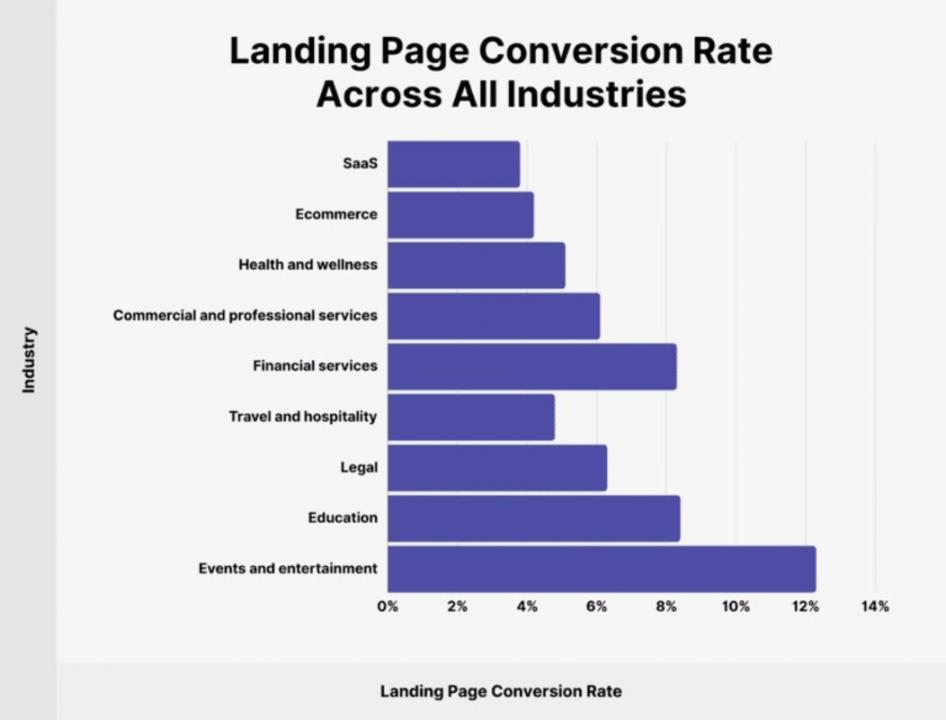
Image via Unbounce
Clearly, there’s a lot to gain from performance marketing optimization. Let’s now look at how you can invest in performance marketing optimization for better results.
But first, let’s cover the basics.
Table of Contents
What is Performance Marketing?
Performance marketing refers to a digital marketing strategy where advertisers pay marketing companies when they complete a specific action.
This approach ensures you only spend on measurable results instead of general exposure.
Common examples of performance marketing include:
- Pay-Per-Click (PPC): Your ad appears on platforms like Google or social media when users match your targeting. You pay only when someone clicks on your ad.
- Email Marketing: Here, a marketer sends your email campaign to a targeted list of subscribers. You’ll pay them based on email marketing metrics, such as opens, clicks, or conversions driven from the email.
- Search Engine Marketing: Search engines like Google show your ad or product offer when people search for keywords related to your offering. You’ll pay when they click on your website.
- Affiliate Marketing: Publishers and different types of influencers can promote your product via their social media channels. You’ll pay them when a user completes a specific action, usually a purchase or sign-up, generated through their referral link.
- Native Advertising: You can place any type of native ad, whether video, in-game, or recommendation widgets, within a platform in a way that matches its editorial style. You pay when users engage with the content, typically through impressions or clicks, depending on the chosen pricing model.
Here’s an example of a native ad from Yahoo News:
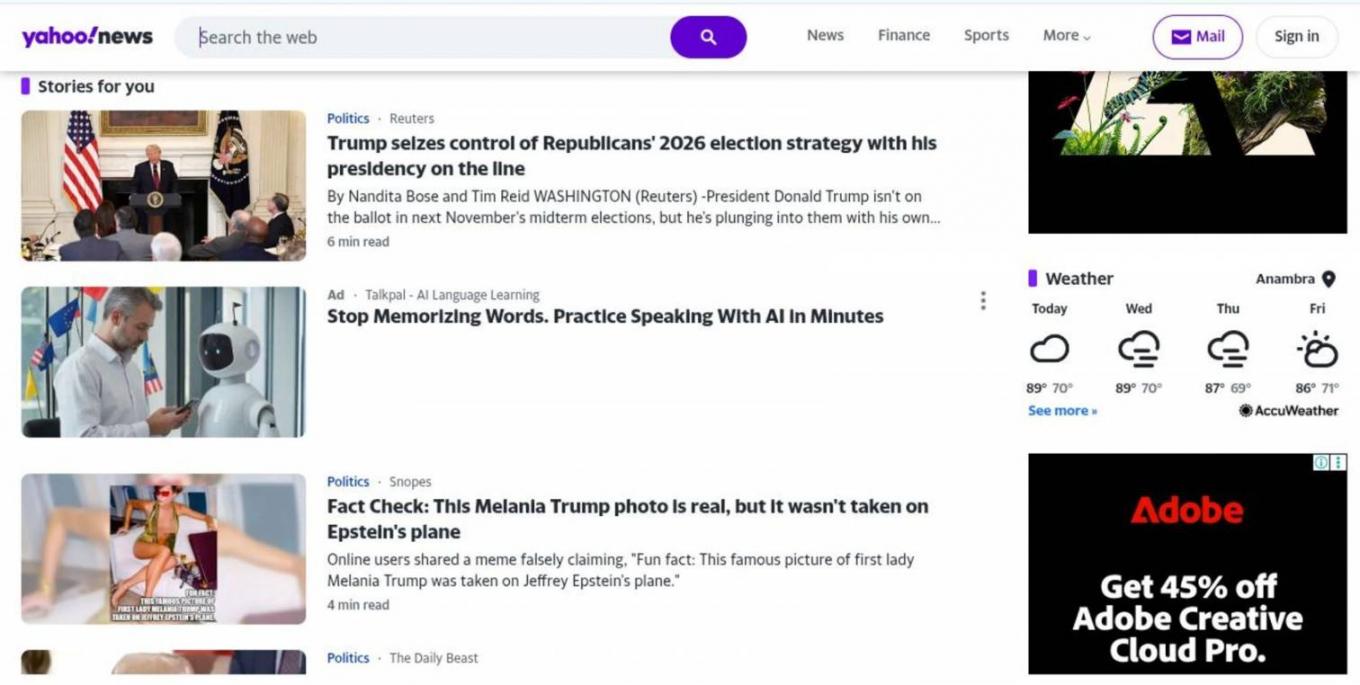
Image via Yahoo News
Additionally, performance marketing uses attribution models and trackable links. You can measure and attribute every conversion to its corresponding marketing touchpoint.
This helps you optimize your performance marketing campaigns and allocate budget effectively.
The metrics you track in this case depend on your campaign goals. It could be sales revenue, cost-per-acquisition, or return on ad spend.
Your focus is on maximizing desired outcomes while minimizing costs.
More so, you need to continuously test and analyze your marketing campaign data, which is where performance marketing optimization comes in.
Overall performance marketing optimization helps you refine your ad targeting, creatives, landing pages, and other elements of your marketing campaigns.
Key Components of Performance Marketing Optimization
When we talk of performance marketing optimization, we mean improving or enhancing your digital marketing strategies to get the best results.
This revolves around some key components, which we’ll cover in this section.
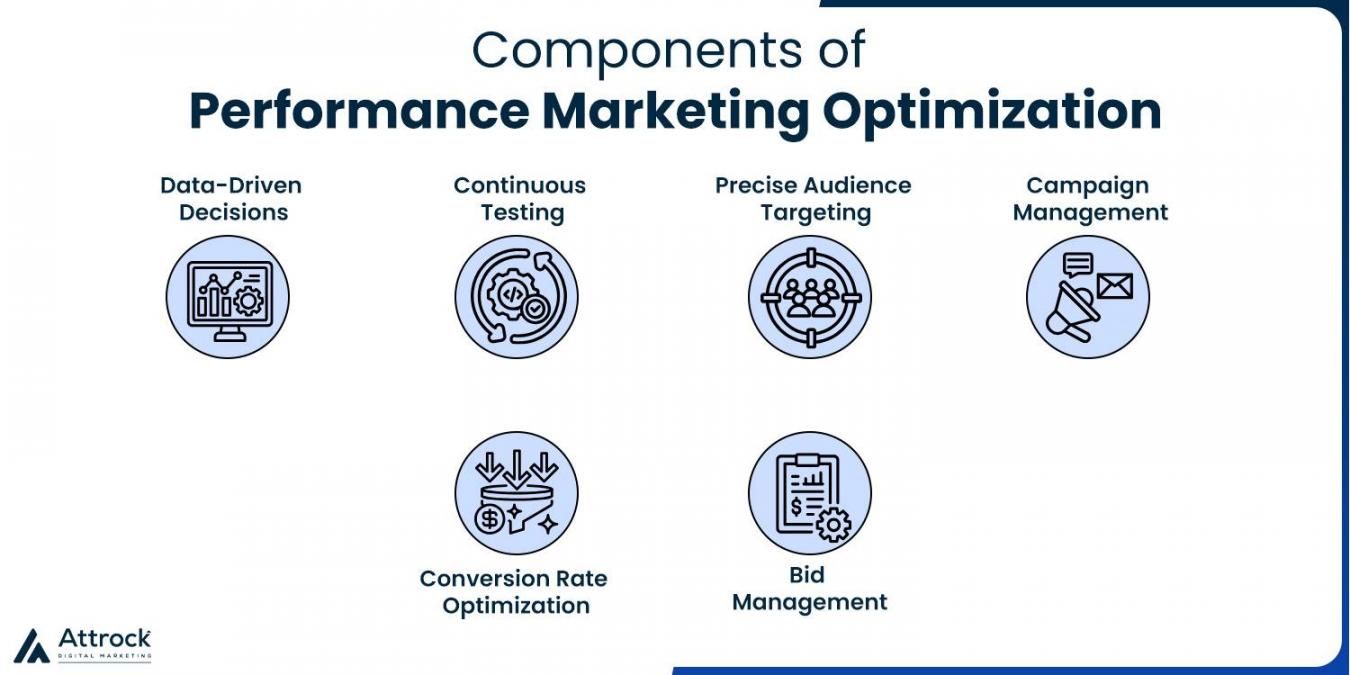
1. Data-Driven Decisions
Performance marketing optimization uses data from your campaigns, such as clicks and conversions, to understand what’s working and what isn’t.
Instead of guessing, you can evaluate the key performance indicators that are the most important to your business.
For example, if it’s cheaper to get leads through one audience segment, you can allocate more funds to targeting them.
Using data analytics improves your marketing strategy, as it prevents you from spending on underperforming tactics.
2. Continuous Testing and improvement
A major part of performance marketing optimization is running A/B tests.
You compare two versions of an element, like your landing page title, ad copy, or targeting options, to see which one generates more leads.
In a case study, Going increased its free trial usage by 104% by testing “Sign up for free” and “Trial for free.”

Image via Unbounce
With A/B testing, you’ll make decisions based on real user behavior. This process allows you to continuously refine your campaigns for better results.
3. Precise Audience Targeting
Reaching the right audience is essential for your performance marketing strategies.
Hence, performance marketing optimization involves analyzing customer data, such as their interests and buying behaviors, to identify which segments respond better to your message.
With these insights, you can create more relevant ads and tailor your offers to different groups.
This helps you maximize the impact of your marketing efforts.
4. Campaign Management and Optimization
Performance marketing optimization requires ongoing campaign monitoring.
You need to regularly review results, pause underperforming ads, adjust budgets, and update creatives based on what the data shows.
Let’s say you notice engagement dropping because people have seen the same image too many times. You can swap it out for a fresh video to re-capture their attention.
This constant adjustment keeps campaigns efficient and aligned with your goals.
5. Conversion Rate Optimization (CRO)
Performance marketing optimization requires you to track the effectiveness of your landing pages or sales funnel in turning visitors into leads or customers.
This is where you check your page speed or simplify your signup and checkout processes.
If you’re expecting highly qualified leads to sign up for your offer, your forms shouldn’t have too many fields, like in the example below.

Image via Wisepops
It’s easier to increase form completion rate by requesting names and email addresses. Compare this to a signup form that also asks for a phone number and home address.
Remember that a higher conversion rate means you’re getting more results from the same ad spend.
6. Bid Management
Pay-per-click ad campaigns are a major part of performance marketing optimization.
Advertisers pay marketing companies that manage ad networks, where they “bid” for ads to appear in front of their target audience.
Bid management helps advertisers learn how much to pay so they don’t overspend for a click or impression.
You might raise bids on high-converting keywords and lower them on terms that are too expensive or rarely convert.
Effective bid management helps you maintain high ad performance while keeping your cost per result under control.
Benefits of Performance Marketing Optimization
Effective Performance marketing optimization provides a ton of benefits, especially if you want to maximize your advertising efforts.
Let’s look at some of these benefits.
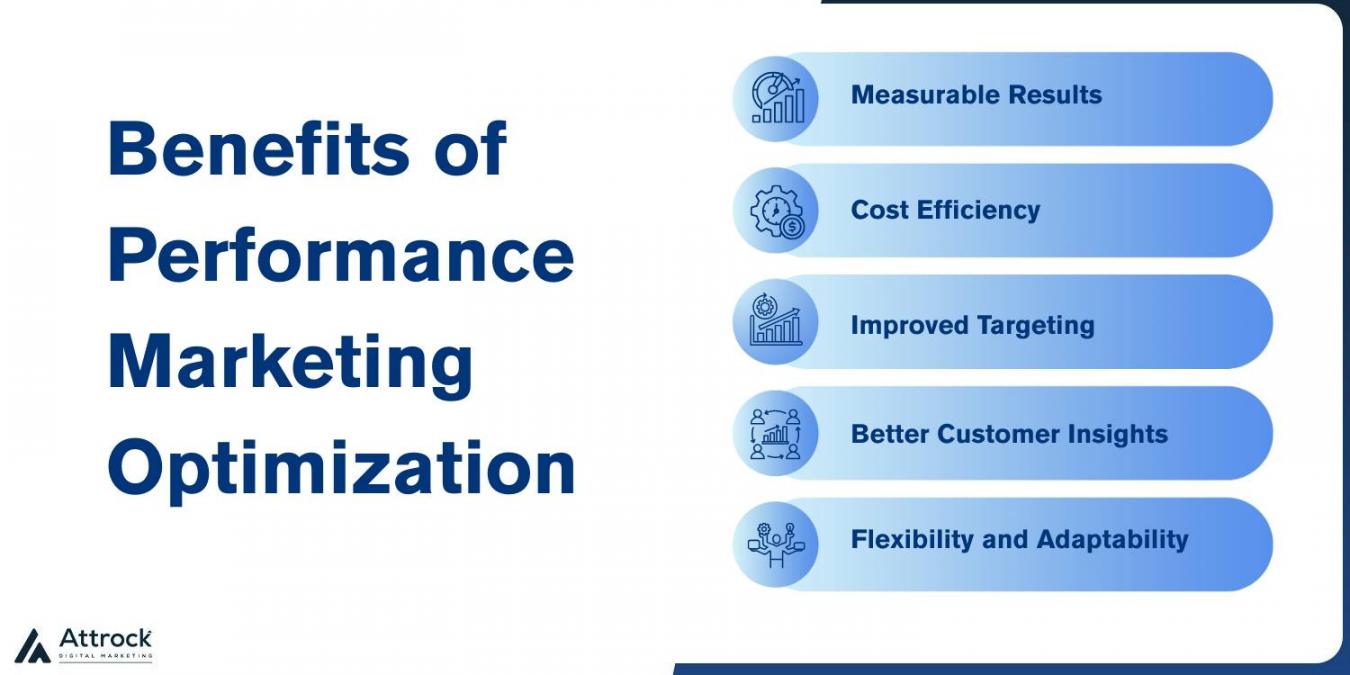
1. Measurable Results
You can track and measure the effectiveness of your campaigns in real time, replacing any guesswork.
Performance marketing optimization gives you insights into what’s working and what’s not, including campaign strategies, budget allocation, and creative direction.
With these insights, you can quickly make adjustments to optimize your campaigns for better results.
2. Cost Efficiency
Performance marketing optimization ensures you’re getting the most out of your marketing budget.
It requires you to focus on campaigns that deliver measurable results. Even more, since you only pay for what works, you get a higher ROI.
3. Improved Targeting and Audience Reach
Performance marketing optimization helps you refine your targeting to reach your preferred audience. You can analyze customer data and behavior to tailor your creatives and messaging.
This helps you ensure that your ads resonate with specific customer segments. In turn, this maximizes your brand reach and improves customer engagement.
4. Better Customer Insights
The data you collect during performance marketing optimization gives you valuable customer insights.
You get to understand their behavior, preferences, and trends better.
With this information, you can refine your targeting, tailor your messaging, and improve the overall customer experience.
5. Flexibility and Adaptability
Optimization allows you to quickly adjust and refine your strategies based on real-time performance data.
You can adapt to changing market conditions and customer preferences.
Also, you can quickly pivot to focus on where you’re getting the best results if some performance marketing platforms or ads aren’t performing well.
To summarize, performance marketing optimization helps you get better insights, measurable results, and better targeting at a lower cost.
Performance Optimization Tools
With performance marketing optimization, you get to use multiple digital advertising channels.
This means that you’re getting from several sources, and you need tools that make data analysis more efficient. These tools are grouped into the following categories.
Visualization Tools
These tools help you present your data in a visual format. You can take large data sets and create an easy-to-understand visual representation.
This makes it easy for you to identify patterns, trends, and opportunities for optimization.
Examples of these tools include Google Data Studio, Tableau, Klipfolio, and Geckoboard. These tools help you create reports like this, which you can use for performance marketing optimization.
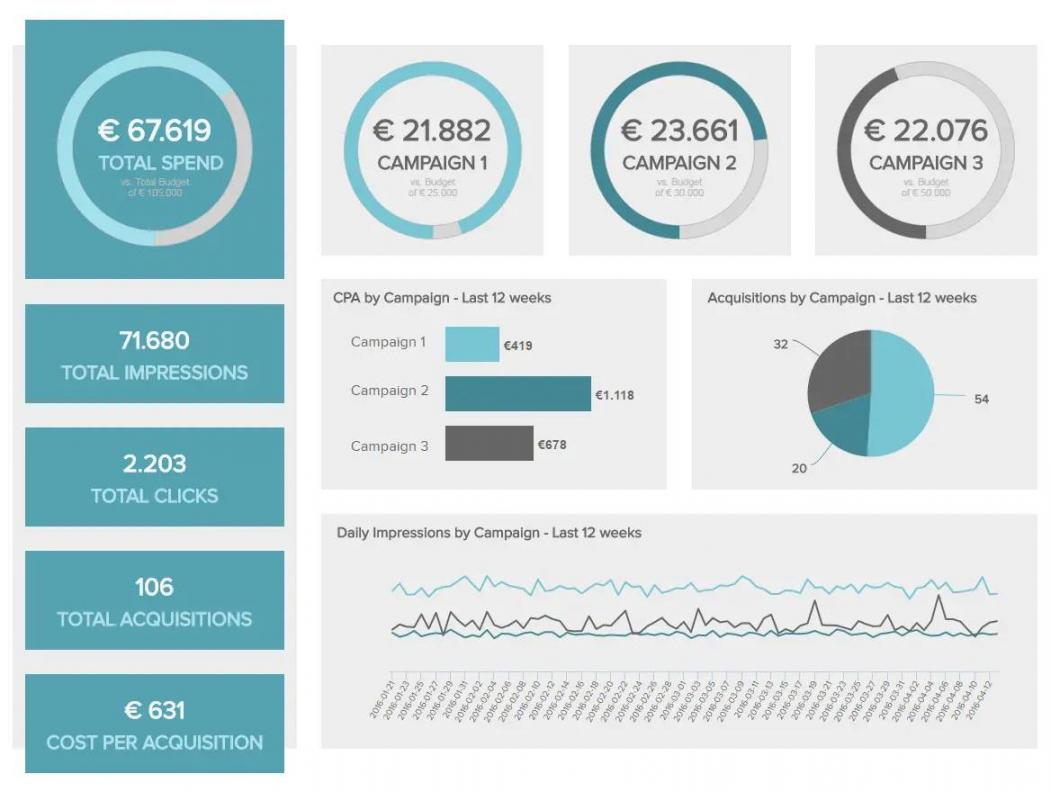
Image via Datapine
Attribution Providers
With these tools, you can understand your customer journey. You discover where they are finding you or converting.
Then, you can attribute conversions or revenue to specific marketing touchpoints.
Some attribution tools for performance marketing include PartnerStack, Google Attribution, Bizible, TUNE, and Fospha.
Business Intelligence (BI) Tools
BI tools help you collect, organize, and analyze data from multiple sources. You can understand trends better and get valuable insights to make data-driven decisions.
Examples of BI tools include CAKE, Microsoft Power BI, Domo, Qlik Sense, Looker, and Sisense.
In summary, you should have good visualization, attribution, and business intelligence tools for performance marketing optimization.
Performance Marketing Optimization Strategies
So, you now understand the benefits of performance marketing optimization and know the tools you can use.
Let’s now delve into strategies you can implement to get the best results.
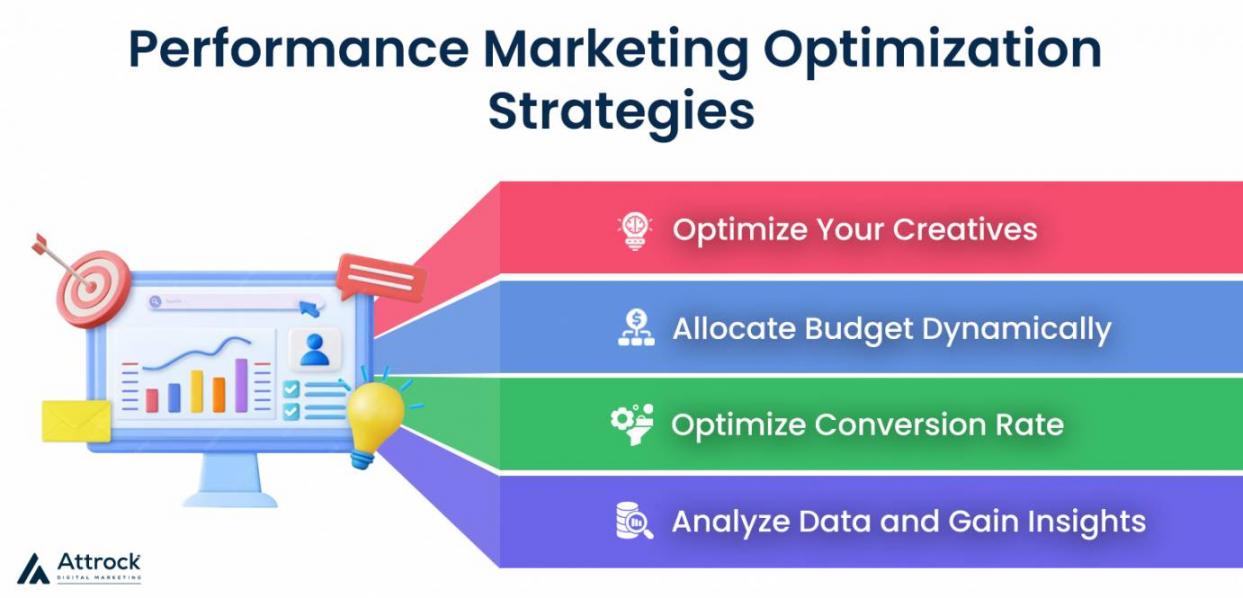
Optimize Your Ad Creatives
Your ad creative is the picture, video, and text that your customers see. It’s what makes them decide to click or keep scrolling.
If your creative is boring, no amount of bidding or perfect targeting will work.
You need to constantly test new ads to stop your audience from getting tired of seeing the same thing. This is called ad fatigue.
Use different headlines and descriptions to see which ones grab attention best.
Also, try using various images, colors, or types of video content to see which ones people stop for.
Experiment with what you promise. You can create two CTA versions, like “10% off” vs “Free Shipping,” to see which leads to the most clicks and sales.
Allocate Budget Dynamically
Dynamic budget allocation means moving your money to the campaigns that are working best. This is a key part of performance marketing optimization.
You don’t spend the same amount every day; you shift your cash based on the results.
Look at your ad channels to figure out which one is bringing you the most customers for the lowest cost.
Take money away from the expensive ads and give it to the winning ads.
Additionally, set an ad spending limit for each sale. Then, tell your ad platform: “If an ad spends more than this limit without getting a sale, automatically turn it off.”
This prevents bad ads from wasting your budget.
Optimize Conversion Rate
Your conversion rate is the percentage of people who complete a desired action goal, such as buying something or signing up.
You can optimize conversions by ensuring the headline on your landing page is the same as the promise in your ad.
For example, if someone clicks on an ad about “20% off Shoes,” it should take them to a landing page where they can get the discount right away.
Also, check that your page loads very fast, especially on phones. If the page is slow, they will leave immediately.
People buy from those they trust. So, make sure your website has customer reviews. See how Casper places star ratings and discounts before its CTA buttons.
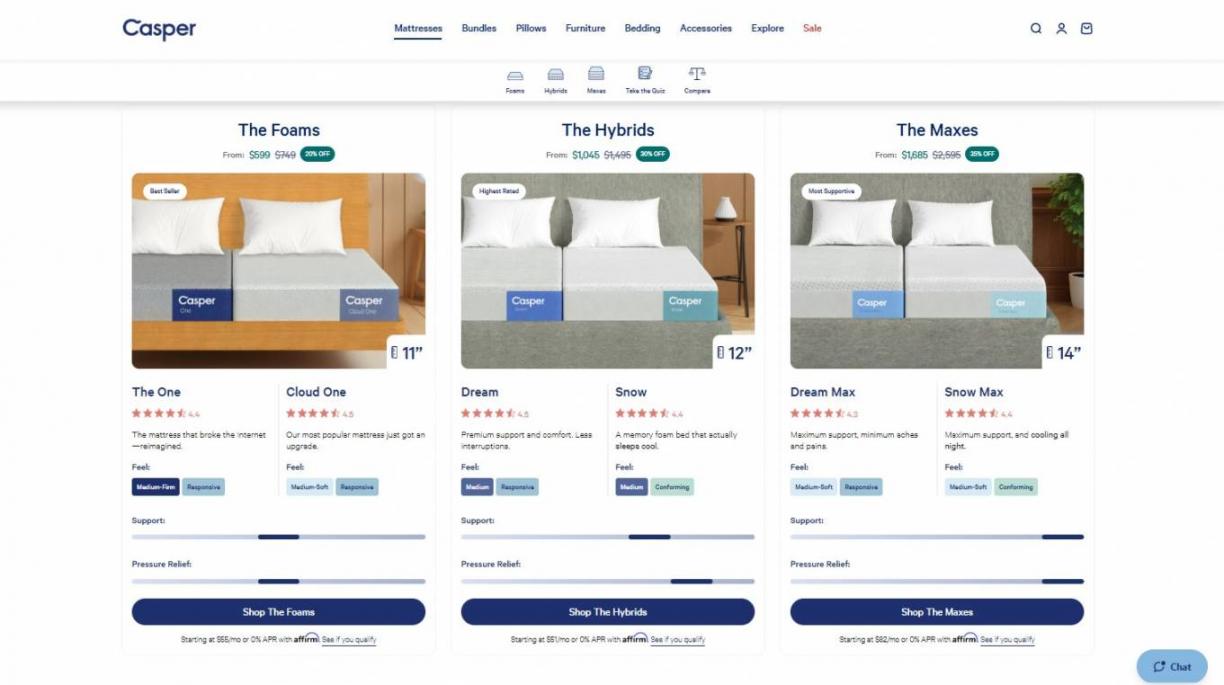
Image via Casper
Analyze Data and Insights
The whole point of performance marketing optimization is using numbers to make better choices. However, you should note that not all data is important to your business goals.
If your goal is to boost sales, focus on the Cost Per Sale and the Conversion Rate. This helps you focus only on the metrics that show whether you’re making money or losing it.
Next, compare how different groups of people react to your ads. Maybe you find that people who live in one city click your ad often but never buy anything.
Or maybe people using a certain type of device cost you twice as much as others.
Finding these differences can help you turn off the expensive ads and give more money to the winning ads.
In conclusion, using engaging creatives, proper budget allocation, CRO, and data analytics are the most important strategies for performance marketing optimization.
Performance Marketing Optimization Best Practices
Since performance marketing optimization is a data-driven strategy, it requires careful execution.
So, let’s highlight some tips and best practices to implement.
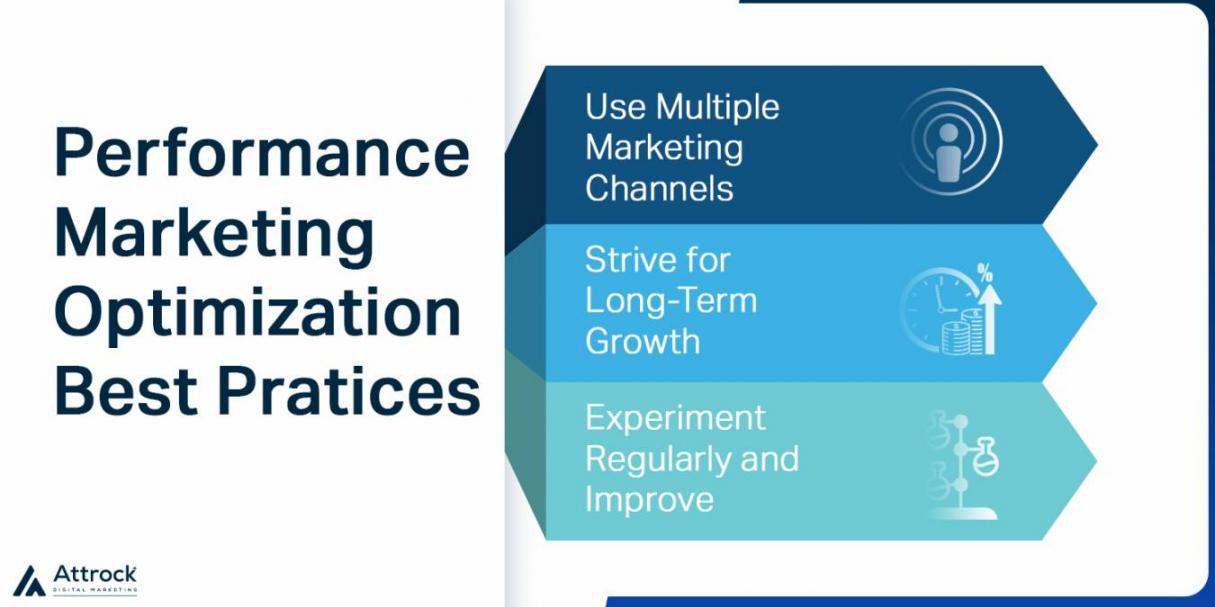
Use Multiple Marketing Channels
For performance marketing optimization, you don’t rely on just one traffic source.
With an omnichannel approach, you can see how each platform works together to drive sales and conversions.
The insights you gain from one channel can help boost the outcomes from another channel.
For example, if you notice people are searching for “affordable running shoes” on Google, you can use that exact phrase in your Facebook ad headlines.
This approach also helps you spot which channels introduce people to your brand versus which ones close the sale.
Strive for Long-Term Growth
Performance marketing is great for getting quick sales, but you also need to plan for the future.
Your business should get to the point where it starts ranking higher on searches organically, so you won’t always pay for ads.
You can achieve this with search engine optimization (SEO), writing helpful blogs, and setting up a referral program to keep customers coming back.
Hostinger uses this performance marketing optimization best practice. Besides running sponsored ads on search engines, it runs a referral program.
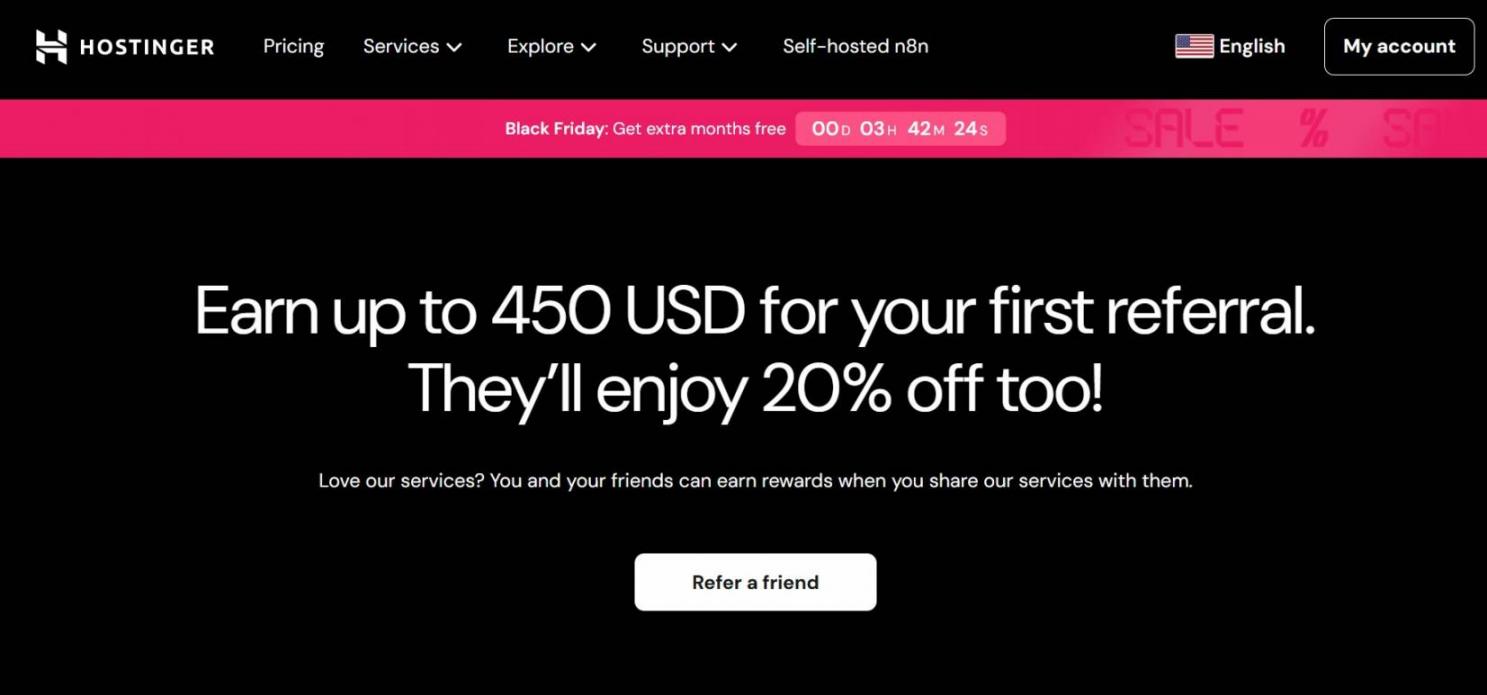
Image via Hostinger
Gaining organic traffic takes time, but it eventually makes it much cheaper to get new customers.
Experiment Regularly and Improve
More than anything, don’t be scared to try new things. It keeps your marketing fresh.
If you stick to the same plan forever, your results will eventually stop growing.
Set aside some budget for A/B testing your ad copies and your entire performance marketing strategy.
You can try new pictures, different discount offers, or a new website where you haven't advertised before.
This ensures you keep learning and growing.
Overall, you should focus on long-term growth and multiple channels to get the best results from performance marketing optimization. Also, keep experimenting and improving your strategy over time.
FAQ
Q1. How do you optimize performance in marketing?
A. To optimize your marketing performance, you need to research your target audience, use data and analytics, and automate your processes.
On top of that, you should use social media platforms and boost your search engine optimization.
Q2. What is performance optimization in digital marketing?
A. It refers to the continuous process of analyzing and refining your marketing campaigns, strategies, and tactics. Performance marketing optimization helps you maximize their efficiency, effectiveness, and ROI.
It also involves the use of data insights, testing different approaches, and making data-driven decisions to optimize different aspects of your marketing efforts.
This could include your targeting, messaging, marketing channels, and resource allocation.
Q3. What is a performance marketing strategy?
A. This is an approach where you pay for specific actions or results, like clicks, sales, or leads. You don’t pay for raising brand awareness or impressions.
Q4. What is marketing optimization?
A. This is a process where you make adjustments to your marketing strategies to maximize the effectiveness of your spend.
The aim is to achieve your business’s target goals, whether it’s getting qualified leads or increasing revenue.
Q5. What is the difference between performance marketing and brand marketing?
A. Performance marketing drives measurable actions, such as clicks, leads, or sales. Also, advertisers pay only when these results are achieved.
Brand marketing, on the other hand, builds brand awareness, reputation, and long-term customer perception. The outcome isn’t immediate or directly measurable.
Wrapping It Up
Performance marketing optimization helps you scale your reach, engagement, and even conversion. You do this at a lower price and risk, and you get a higher ROI.
However, this requires continuous monitoring, analysis, and testing. So, try out the tips and strategies we’ve highlighted here to optimize your performance marketing efforts.
Let us know the results you get in the comments.
Also, if you need help, leverage our lead generation, landing page optimization, and CRO services. We can create a tailored performance marketing strategy for you using a mix of strategies. So, get a consultation.