Customer success software helps SaaS and B2B teams cut churn and grow accounts by turning scattered customer data into health scores, alerts, and automated playbooks.
After 12 years of running an agency and advising software teams, I’ve watched the same pattern repeat. A team bolts customer success onto a CRM, scales past a hundred accounts, then starts losing renewals it never saw coming.
The fix is a purpose-built customer success platform that gives customer success teams visibility into account health, renewals, and expansion opportunities. The best customer success software in 2026 includes HubSpot Service Hub, Gainsight, ChurnZero, Totango, Vitally, Custify, Planhat, Zendesk, and ClientSuccess. Those are the tools that dominate the results and that I’d recommend.
Below, I break down what each tool does, how they compare on features and pricing, and how to choose the right one for your stage. I’ll also cover the metrics that prove it’s working, because picking software is the easy part.
Disclaimer: This content contains some affiliate links for which we will earn a commission (at no additional cost to you). This is to ensure that we can keep creating free content for you.
Table of Contents
What Is Customer Success Software?
Customer success software is a platform that helps post-sale teams reduce churn and grow revenue. It unifies customer data from your CRM, product, billing, and support into one view.
From there, it drives customer health scores, alerts, and automated playbooks across the customer journey, including onboarding, adoption, renewal, expansion, customer retention, and a better customer experience.
Think of customer success software as the system of record for everything that happens after someone becomes a customer. A customer success platform (CSP) combines product usage, support tickets, and contract data in one place. It flags at-risk accounts before they churn. Many platforms now use predictive analytics and AI to identify those risks even earlier.
That focus is what separates it from a CRM. A CRM is built to close deals. Customer success software is built to keep and grow them, which is a different job with different signals.
Most customer success tools fall into a few categories. Full-suite platforms like Gainsight and Totango cover the whole post-sale lifecycle. Lighter, point tools focus on onboarding and product adoption, health analytics, or customer portals. Your customer success managers care less about the category label and more about whether the platform surfaces risk early enough to prevent churn.
It turns fragmented customer data into a single health view, then automates the next-best action, so your team manages more accounts without dropping the ones that are quietly slipping away.
What Customer Success Software Does
Good customer success software does five essential jobs. Each one helps reduce churn, improve retention, or grow customer revenue.
- Customer health scoring: It quantifies account risk and opportunity using usage, sentiment, and support signals, so you see trouble early.
- Churn and risk alerts: They notify the owner when usage drops or a renewal looks shaky, turning reactive saves into proactive ones.
- Playbooks and automation: They trigger repeatable workflows across the customer lifecycle, including onboarding, QBRs, and renewals.
- Renewal and expansion management: It tracks contracts, renewal dates, and upsell opportunities tied to customer relationships and product value.
- Reporting and analytics: It turns fragmented signals like NRR, TTV, and lifetime value into the single-source-of-truth dashboards that leadership teams demand.
AI has quickly become a standard feature. Most platforms now summarize accounts, draft customer emails, and predict churn risk weeks before renewal conversations begin.
Customer Success Software vs CRM vs Customer Support
Customer success software helps you keep and grow customers. CRM software helps you win new ones, while customer support software focuses on resolving issues. Although they work together, each platform supports a different stage of the customer journey.
| Dimension | CRM | Customer Success Software | Customer Support Software |
|---|---|---|---|
| Primary goal | Close new deals | Retain and grow customers | Resolve issues fast |
| When it’s used | Pre-sale | Post-sale customer lifecycle | Reactive, ticket-driven |
| Core data | Pipeline, contacts | Health, usage, renewals | Tickets, conversations |
| Who owns it | Sales | Customer success teams | Support/service |
| Key metric | Win rate | Net revenue retention | Resolution time, CSAT |
Many teams start with a CRM, outgrow it for post-sale work, and eventually adopt a customer success platform. Support tools overlap at the edges, but they answer “what’s broken,” not “is this account healthy.” The best stacks keep all three and connect them, instead of forcing one to do another’s job.
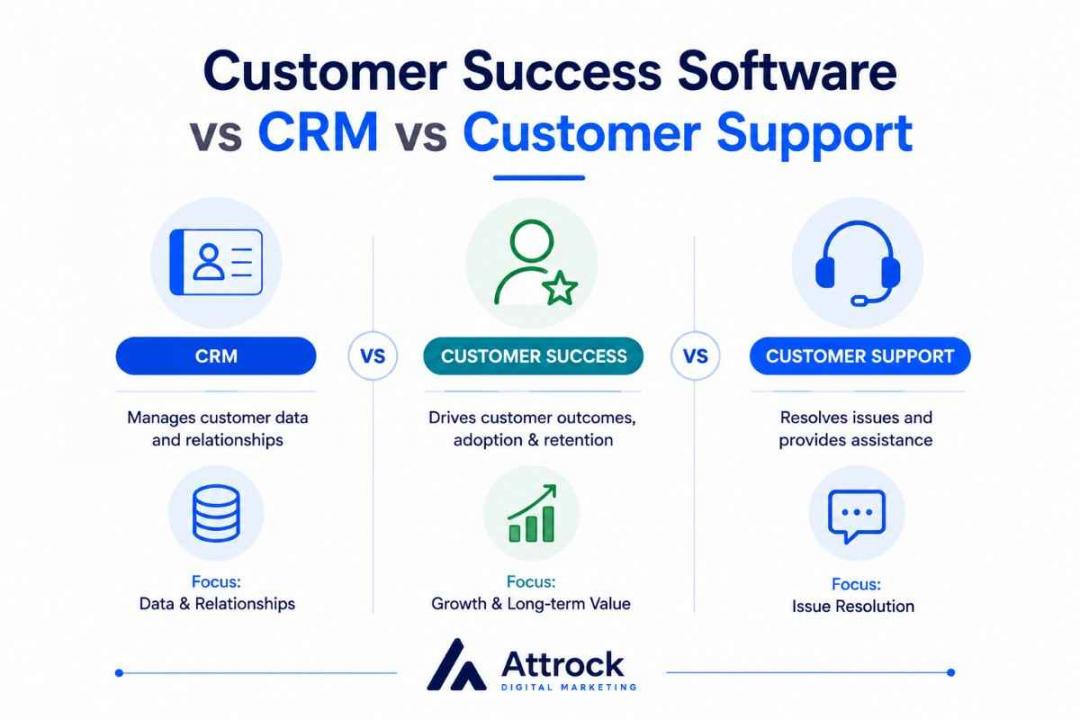
Image via Attrock
Why Does Customer Success Software Matter?
Customer success software matters because your existing customers, not net-new logos, are where durable growth comes from, and customer success software is how you protect customer retention revenue at scale.
The math is hard to argue with. Across private B2B SaaS, median net revenue retention sits near 106%, per SaaS Capital’s 2025 research. Expansion revenue drives 40–50% of new ARR at high performers, per High Alpha. Retention is not a cost center. It’s the engine.
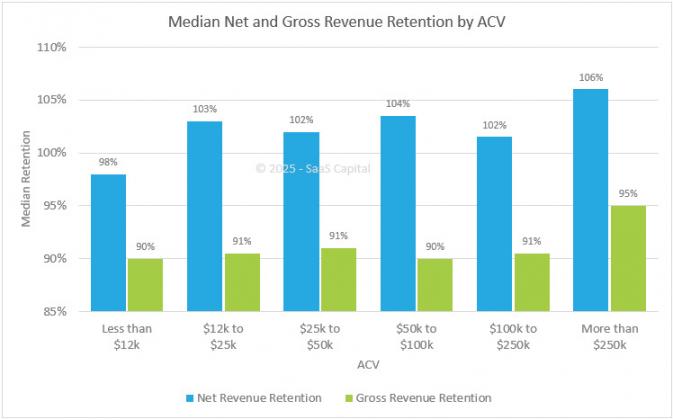
Image via SaaS Capital
Experience quality compounds, too. Forrester’s CX research found CX leaders grew revenue far faster than laggards. The retention economics back this up: Bain & Company has long documented that small retention gains compound into outsized profit, and keeping a customer costs far less than winning a new one.
Here’s the operational problem. Spreadsheets and a CRM work until they don’t, usually around 100+ accounts, when no one can see which customers are quietly disengaging. That blind spot is exactly what customer success software and customer health scoring remove.
If renewals and expansion are material to your revenue, yes. The software pays for itself the first time it flags an at-risk account using customer health scores, giving customer success teams time to intervene.
How I Picked the Best Customer Success Software?
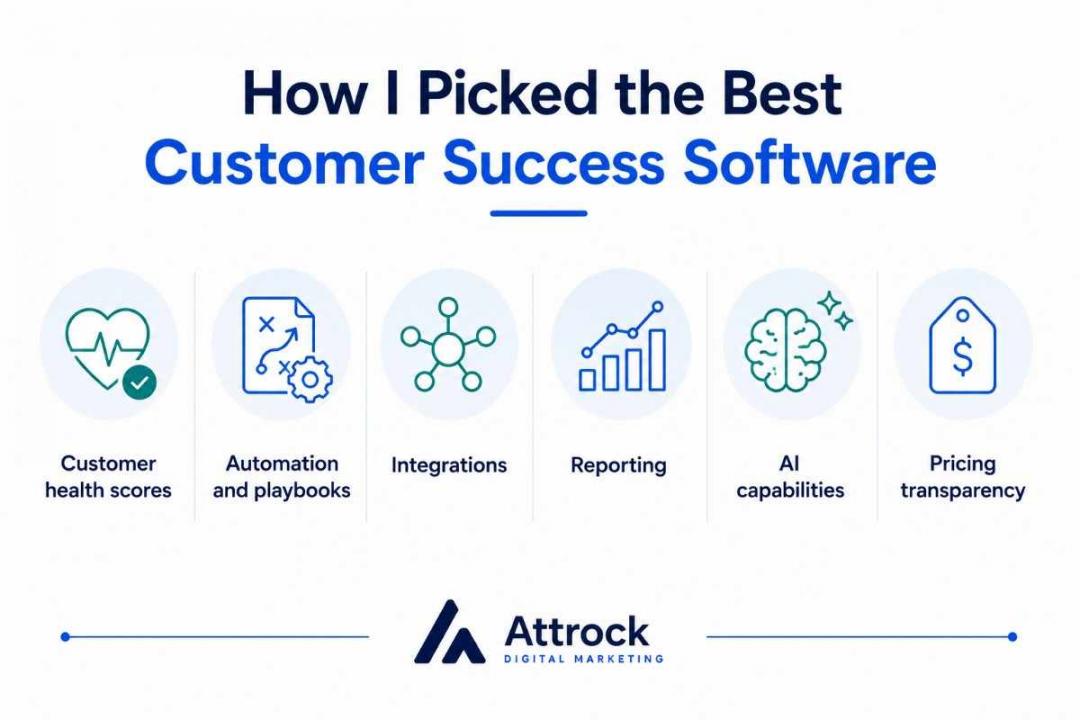
Image via Attrock
I picked these customer success software tools the way I'd evaluate them for a client: by what actually improves customer retention, not by who has the longest feature list.
- Customer health scores: Can the customer success platform identify risk using real usage, support, and engagement signals?
- Automation and playbooks: Does it help customer success teams scale onboarding, renewals, and QBRs?
- Integrations: Does it connect with your CRM, billing, product, and support systems?
- Reporting: Does it track key customer success metrics like net revenue retention and time-to-value?
- AI capabilities: Does it offer churn prediction, account summaries, or AI copilots?
- Pricing transparency: Are costs clearly published, or does the vendor require a sales conversation?
To keep this comparison accurate, I verified G2 ratings and checked each vendor's pricing page in June 2026. When pricing wasn't publicly available, I used trusted third-party estimates and recommend confirming costs directly with the vendor before making a decision.
On customer health scoring depth, automation, integrations, reporting, AI, and pricing transparency, with ratings and pricing checked against live sources in June 2026.
Quick Comparison of the Best Customer Success Software
Here’s the shortlist at a glance. Use the table to scan, then jump to any tool for the full breakdown. Pricing reflects live vendor pages where published; quote-based tools show a flagged third-party estimate.
| Tool | Best For | Starting Price (per month) | G2 Rating | Free Plan / Trial |
|---|---|---|---|---|
| HubSpot Service Hub | All-in-one, CRM-native teams | Free; paid from $20/seat | 4.4 (2,915) | Yes, free plan + trial |
| Gainsight | Enterprise at scale | Quote; ~$150/user | 4.5 (1,746) | No |
| ChurnZero | Mid-market churn prevention | Quote; ~$15K–30K/yr | 4.7 (1,601) | No |
| Totango | Flexible, modular CS | Quote; ~$249–1,099 | 4.3 (1,150) | No advertised trial |
| Vitally | Visual workflows + analytics | Quote; ~$1,500 | 4.5 (701) | Sales-assisted trial |
| Custify | B2B SaaS SMBs, onboarding | Quote; ~$899 | 4.7 (~508) | No |
| Planhat | Data flexibility, complex CS | Quote: ~$20K/yr | 4.5 (~940) | No |
| Zendesk | Support-led CS, CX analytics | From $55/agent | 4.3 (6,989) | 14-day trial |
| ClientSuccess | Fast setup, startups to mid | Quote | 4.4 (424) | No |
HubSpot Service Hub is the best all-in-one, CRM-native customer success software. Gainsight is the strongest choice for enterprise teams, while ChurnZero excels at mid-market churn prevention. Vitally stands out for visual workflows, Planhat offers the most data flexibility, and ClientSuccess is ideal for fast implementation.
How to Choose the Best Customer Success Software
Choose customer success software by aligning it with your customer journey, customer success team, and existing tech stack, rather than chasing the longest feature list.
Start with the customer data you already have. Start by identifying your biggest retention challenge. If onboarding is inconsistent, prioritize automation. If renewals are slipping, look for strong health scoring and renewal management. A platform that can’t ingest your product usage or billing data will give you pretty dashboards and weak alerts.
Mind the pricing model. Some tools price per seat, others per account or by revenue under management, and that choice changes the cost curve as you grow. Per-account pricing can punish you for success.
Check integration fit early. Your customer success platform should connect with your CRM, product analytics, billing system, and support software so every team works from the same customer data.
Don’t skip security and compliance. For any tool touching customer data, confirm SOC 2 Type II, GDPR, role-based access, and where data is stored. Verify these on the vendor’s trust center, never assume them.
Weigh AI honestly. Predictive churn scoring is now common; the real question is whether the AI acts, not just predicts. And take the community’s advice: don’t over-buy. If your team is small, a simpler tool beats an enterprise suite you’ll never fully deploy.
Choose Customer Success Software If…
- Early-stage or SMB (under ~50 accounts): Choose HubSpot Service Hub, Custify, or ClientSuccess if you're an early-stage company or SMB
- Scaling SaaS / mid-market: Pick ChurnZero or Vitally for proactive if proactive automation and churn prevention are your biggest priorities.
- Enterprise or complex data: Gainsight, Totango, or Planhat for depth and configurability.
- Support-led organization: Zendesk, if your customer success story is really about service quality and CX insight.
What’s the real total cost, not the sticker? Will my team actually adopt it? Does it integrate with my stack? What happens at renewal in year three? And how hard is it to get my data out?
Best Customer Success Software in 2026
Here are the nine best customer success tools in 2026, starting with my top all-in-one pick. HubSpot Service Hub leads for teams that want customer success, service, and a CRM in one place, with strong specialists right behind it for scale and depth.
1. HubSpot Service Hub
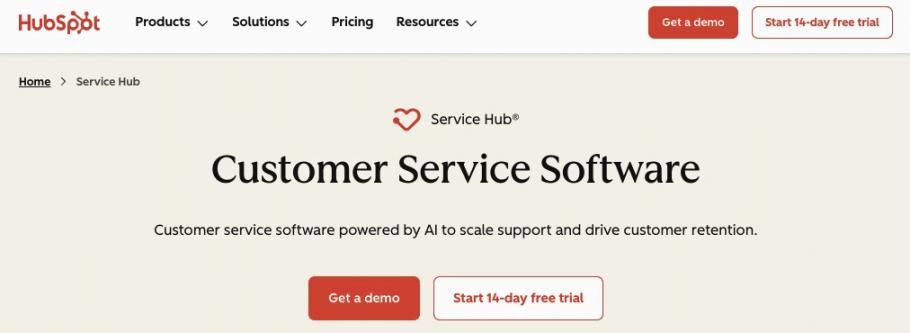
Image via HubSpot
HubSpot Service Hub is one of the best customer success software platforms for growing businesses because it builds customer success on top of HubSpot’s free Smart CRM and Breeze AI. For teams already in the HubSpot ecosystem, it’s the natural CRM-native choice.
The heart of it for customer success is the Customer Success Workspace, where managers run their book of business, watch health scores, and prioritize renewals in one view.
Why HubSpot Service Hub works for growing teams
It unifies customer success, help desk, and a free CRM, so your customer data lives in one place from day one, with AI built in rather than bolted on.
Key Features
- Customer Success Workspace: Gives your team a complete account view by combining product usage, support conversations, and CRM data.
- Customer health scores: configurable scoring with automated alerts, plus predictive churn on higher tiers.
- Breeze Customer Agent: An AI agent that handles routine customer questions across channels.
- Help desk and shared inbox: Omnichannel ticketing tied to the same customer record.
- Service analytics and surveys: Combine CSAT and NPS feedback to improve customer health tracking.
Pros
- Genuinely easy to adopt, especially for existing HubSpot users
- A real free plan plus transparent, published pricing
- Unlike many competitors, AI capabilities and CRM features are included
Cons
- The Customer Success Workspace and health scores need a paid Professional plan.
- Deep, enterprise customer-success operations still favor a dedicated CSP.
- Costs climb as you add seats and onboarding fees.
Pricing
A free plan covers ticketing and live chat.
- Starter: $20 per seat per month
- Professional: $100 per seat per month
- Enterprise: $150 per seat per month
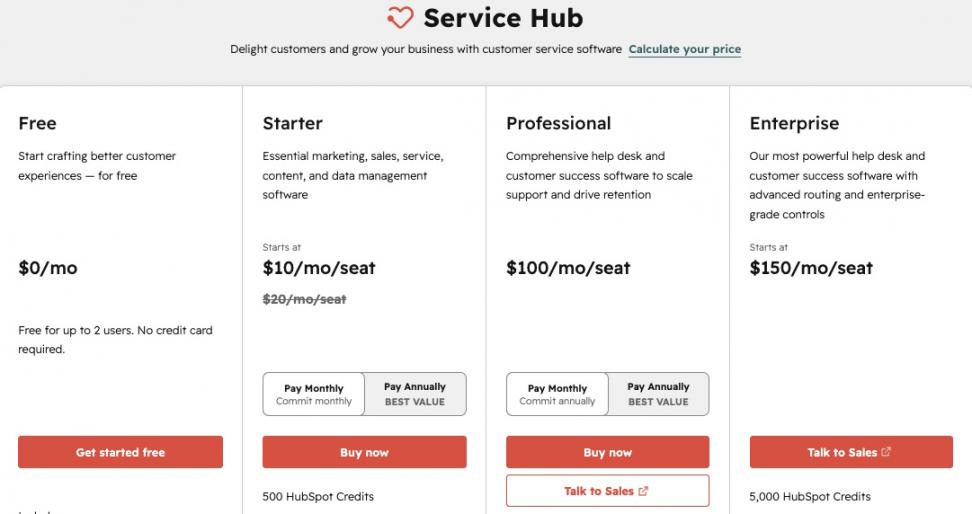
Image via HubSpot
Tool Level
- SMB to mid-market, scaling into enterprise.
Usability
- One of the gentler learning curves here, especially if your team already uses HubSpot.
Pro Tip: Turn on health scoring and renewal alerts before you migrate historical data, so your first week surfaces at-risk accounts instead of just importing records.
2. Gainsight
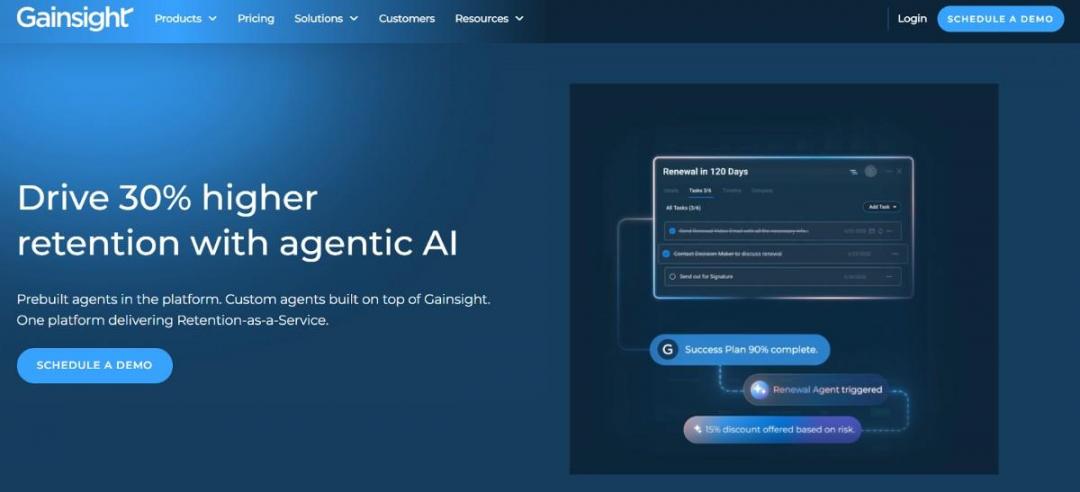
Image via Gainsight
Gainsight is the enterprise customer success software, built for large teams that need deep health scoring, renewal forecasting, and revenue tracking across thousands of accounts.
That flexibility comes with a trade-off. Gainsight takes longer to implement than most tools, and you'll usually need time to configure it properly.
Why Gainsight wins for enterprise
It handles complex customer lifecycles better than most customer success platforms, with multi-signal health scores, success plans, and NRR forecasting built for enterprise teams.
Key Features
- Health scorecards: Combine product usage, support, and CRM data to identify at-risk accounts earlier.
- Customer 360: Gives customer success managers a complete view of account health, activity, and renewal status.
- Playbooks and success plans: automated CSM tasks and outreach via Cockpit.
- Renewal and expansion forecasting: NRR-focused pipeline on the Enterprise tier.
- AI insights: Staircase AI summarizes account activity, identifies churn risks, and helps teams prioritize customer outreach.
Pros
- The deepest health-scoring and analytics in the category
- Strong renewal and expansion forecasting for revenue teams
- Proven at enterprise scale and complexity
Cons
- A steep learning curve and longer implementation
- Premium pricing that’s out of reach for many SMBs
- Often needs a dedicated admin or operations owner
Pricing
- Essentials: Custom pricing
- Enterprise tiers: Custom pricing
Tool Level
- Mid-market and enterprise
Usability
- Powerful but complex; budget for onboarding and admin time.
Pro Tip: Scope your first rollout to one health scorecard and one renewal playbook; teams that try to configure everything at once stall for months.
3. ChurnZero
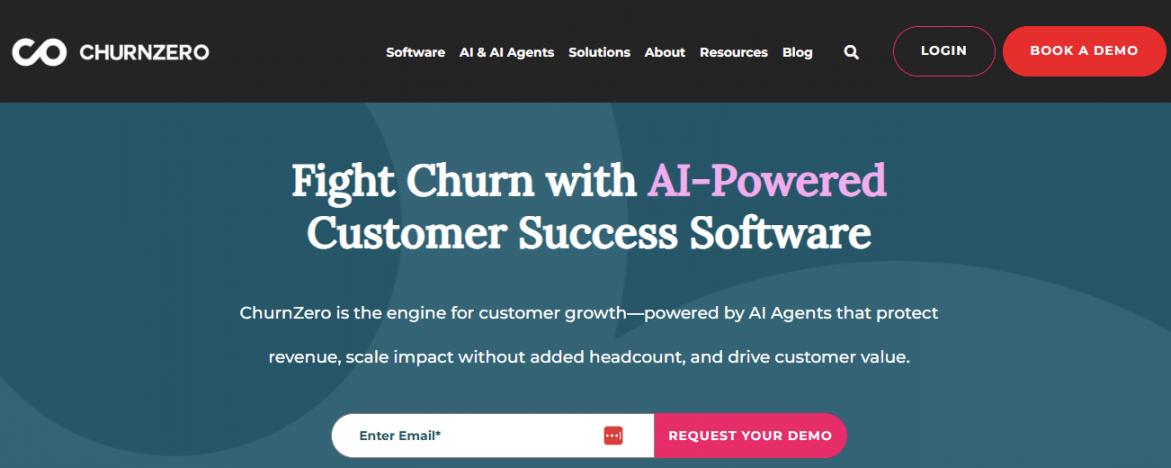
Image via ChurnZero
ChurnZero is customer success software built for B2B SaaS teams that want to stop churn in real time. Live health scores and automated playbooks respond the moment customer behavior changes, helping mid-market SaaS teams act before churn becomes a renewal problem.
Why ChurnZero works for churn prevention
Real-time customer health scoring and automated customer journeys help customer success teams identify risk and act on it the same day instead of waiting for the next quarterly review.
Key Features
- Health and relationship scores: Real-time signals across the account
- Customer journeys: Orchestrated onboarding, adoption, and renewal flows
- In-app communications: In-product messages, walkthroughs, and a Customer Center
- Renewal hub: Renewal and expansion forecasting
- ChurnZero AI: Surfaces risk and drafts CS work
Pros
- Excellent real-time churn and health monitoring
- Strong automation that scales a lean team
- Deep B2B SaaS focus and integrations
Cons
- No entry-level or free tier.
- Annual contracts with a sales-led process.
- Set up rewards teams that already know their health model.
Pricing
- Available on quote
Tool Level
- Mid-market and enterprise SaaS
Usability
- Easier to learn than many enterprise customer success platforms, although advanced features still take a few weeks to master.
Pro Tip: Wire ChurnZero alerts into Slack so the account owner sees a risk signal in their workflow, not buried in another dashboard.
4. Totango
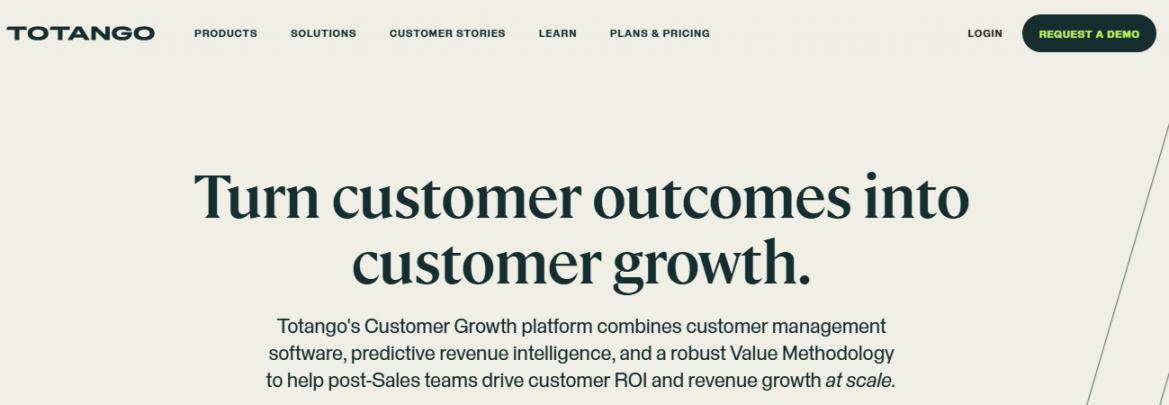
Image via Totango
Totango is a modular customer success platform built for growing SaaS companies that want to scale customer success without replacing their software every few years. Following its merger with Catalyst, it now combines Totango, Catalyst, and the Unison AI engine on a shared data platform.
Its biggest advantage is flexibility. You can start with the workflows you need today and expand as your customer success team grows.
Why Totango works for evolving teams
Prebuilt, modular programs let you launch onboarding or renewal workflows fast, then expand without re-platforming.
Key Features
- SuccessBLOCs: Prebuilt modular programs for onboarding, adoption, and renewals.
- SuccessPlays: Automatically trigger tasks and customer outreach when product usage or customer engagement changes.
- Multidimensional health scores: Weighted, drill-down scoring.
- Segmentation and customer 360: Organize accounts by lifecycle stage, customer segment, or hierarchy for better visibility.
- Unison AI: Predicts churn by analyzing customer conversations, emails, support tickets, and engagement data.
Pros
- Modular, so you adopt only what you need
- Strong segmentation for large, varied books
- AI-powered churn prediction helps teams identify at-risk customers earlier
Cons
- The three-product structure can confuse buyers
- Sales-led, with no advertised free trial
- Some depth requires the higher tiers
Pricing
Quote-based across all tiers. Third-party estimates range widely, from a few hundred dollars per month for small teams to four figures monthly at scale.
Tool Level
- Mid-market and enterprise.
Usability
- Easy to scale over time, but you'll need a clear implementation plan to get the most from its modular design
Pro Tip: Start with one SuccessBLOC for your weakest lifecycle stage; the modular model is wasted if you switch everything on at once.
5. Vitally
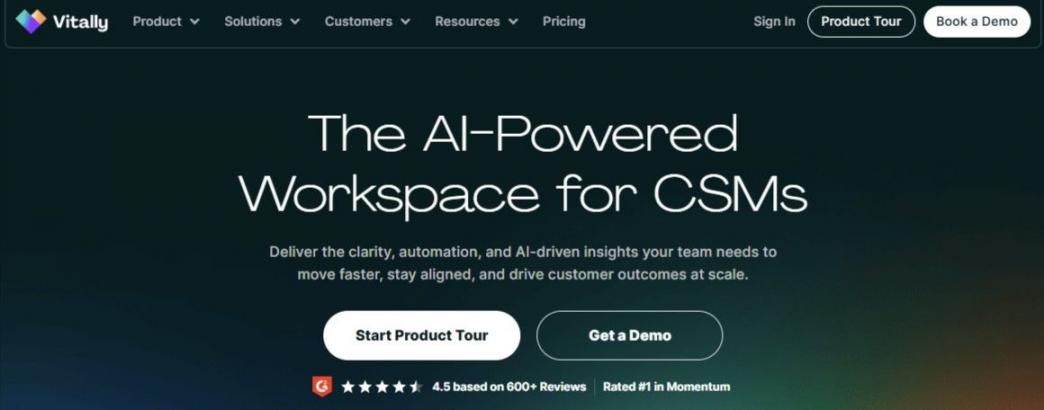
Image via Vitally
Vitally is modern, AI-powered customer success software that B2B SaaS teams love for its visual workflows and clean analytics, often as the lighter, faster alternative to Gainsight. It’s especially strong where customer success blends with operations.
Why Vitally works for customer success operations
Flexible customer health scoring and built-in project management help customer success operations teams build workflows that fit their process. They don't need heavy admin work to make it happen.
Key Features
- Flexible health scores: Measure the health score at both account- and user-level
- AI-assisted playbooks: Automate onboarding, adoption, renewals, and other customer lifecycle workflows
- CS project management: Native tasks for onboarding, QBRs, and renewals.
- Docs and AI summaries: Notes and automatic account summaries.
- Reporting and NPS: Track net revenue retention, churn, customer satisfaction, and sentiment from one dashboard
Pros
- Intuitive, genuinely visual interface
- Strong data integration and automation
- Fast to implement than many other enterprise customer success platforms
Cons
- No self-serve free plan
- Newer than Gainsight, with fewer enterprise-level capabilities
- Quote-based pricing
Pricing
Quote-based pricing across Tech-Touch, Hybrid-Touch, and High-Touch tiers
Tool Level
- SMB to mid-market, scaling into lower enterprise
Usability
- One of the easier customer success platforms to learn, thanks to its visual interface and flexible workflow builder
Pro Tip: Use Vitally’s project management for onboarding milestones; it’s the feature teams underuse and the one that most improves time-to-value.
6. Custify
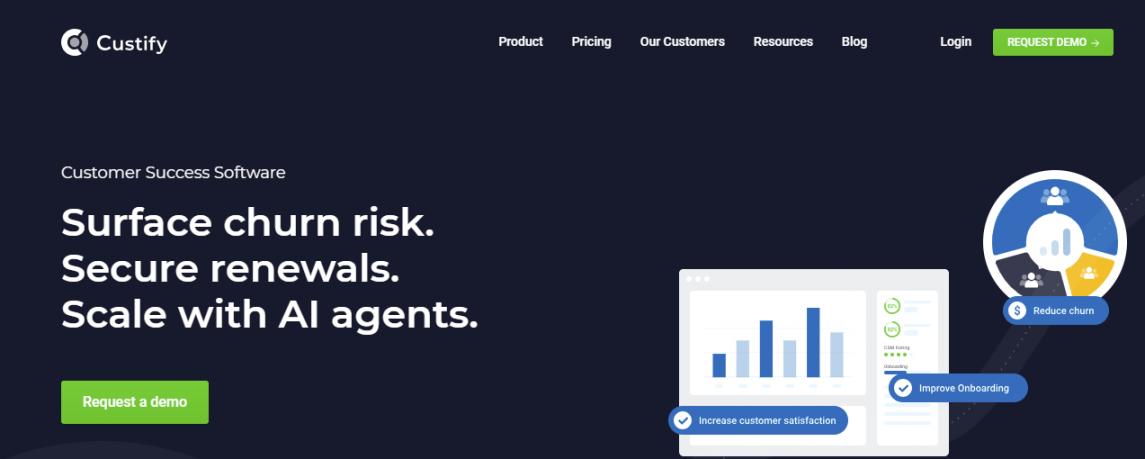
Image via Custify
Custify is customer success software for B2B SaaS SMBs that want fast time-to-value. It offers concierge onboarding without a dedicated ops hire and punches above its weight on automation.
Why Custify works for SaaS SMBs
Concierge onboarding helps small teams get started quickly. Customizable customer health scores support long-term growth. EU data hosting is a bonus for businesses with compliance requirements.
Key Features
- Customer 360 and health scores: Combine product usage, customer sentiment, and CSM input to track account health
- Automation and playbooks: Automate onboarding, renewals, and customer lifecycle tasks
- Churn-risk alerts: Slack and email notifications
- CustifyAI: Identifies churn risks, summarizes accounts, and recommends the next best action
- CSAT and NPS surveys: Built-in feedback
Pros
- Fast, hands-on onboarding
- Strong automation that helps small customer success teams manage more accounts
- GDPR and ISO 27001, with EU data hosting
Cons
- Lighter enterprise depth
- Quote-based pricing
- No free plan or self-serve trial
Pricing
Quote-based. A widely cited third-party estimate starts near $899 per month for a small team.
Tool Level
- SMB to mid-market SaaS
Usability
- Quick to deploy, with concierge help during setup
Pro Tip: Lean on Custify’s onboarding team to build your first health score; it shortens setup from weeks to days.
7. Planhat
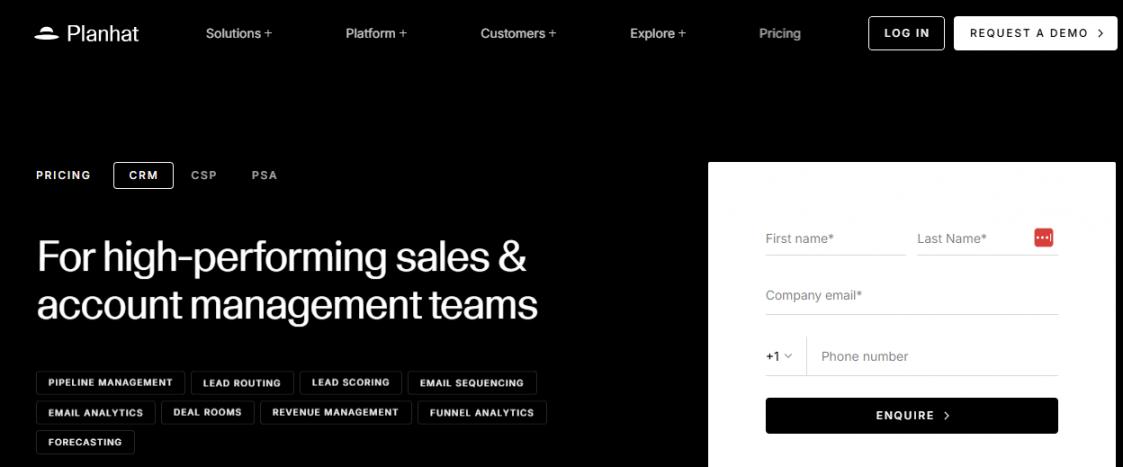
Image via Planhat
Planhat is data-flexible customer success software that doubles as a customer platform, spanning CSP, CRM, and services use cases for teams with complex, multi-product data. If your data is messy and varied, Planhat is built to absorb it.
Why Planhat works for complex customer success teams
Custom objects and an open data model bring customer data into one place. That gives customer success teams a complete operational view.
Key Features
- Custom data model: Create custom objects and fields to match the way your business stores customer data
- Health scoring and journeys: Track customer health and automate actions across the customer lifecycle
- Playbooks and automation: Tasks, activities, and workflows
- Dashboards and pages: Custom views and presentations
- Planhat AI: Automates routine tasks and helps teams identify customer risks faster
Pros
- Exceptional data flexibility and modeling
- Supports customer success, CRM, and service teams from one platform
- Strong for multi-product, multi-geo teams
Cons
- Configuration depth needs an operations owner.
- Quote-based pricing.
- Smaller teams may never use all of their advanced capabilities
Pricing
Contact sales team for pricing.
Tool Level
- Mid-market and enterprise
Usability
- Powerful, with a configuration curve that rewards a dedicated admin
Pro Tip: Map your data model before you build; Planhat’s flexibility is a strength only if you’ve decided what “healthy” means first.
8. Zendesk
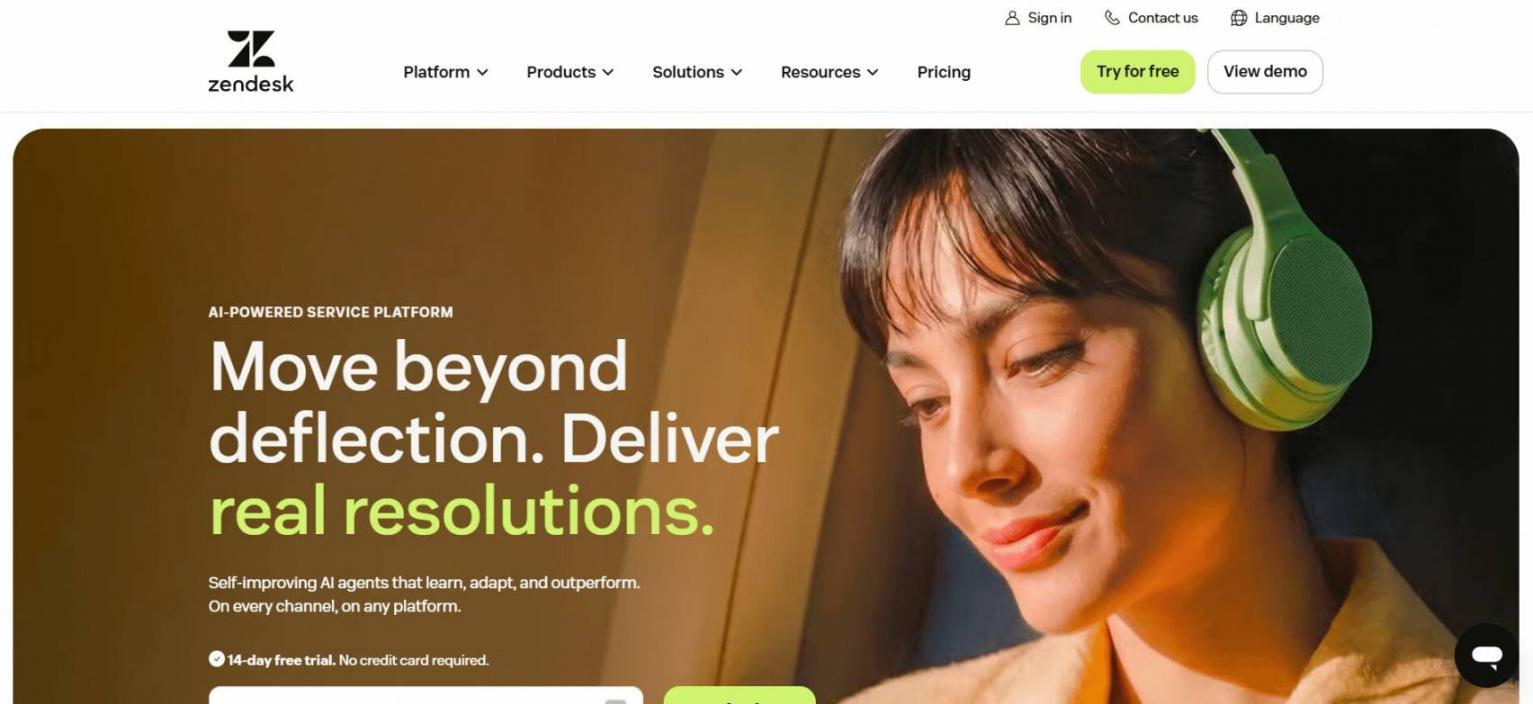
Image via Zendesk
Zendesk is customer success software built around customer support rather than dedicated post-sale success management. I'm including it on that basis.
It's a good fit for teams that measure customer success through service quality and customer experience. It isn't a dedicated customer success platform like Gainsight. For support-led organizations, that distinction is a feature, not a flaw.
Why Zendesk works for support-led customer success teams
If poor service is the main reason customers leave, Zendesk gives you the data to spot problems early. Its analytics and CSAT scores can support customer health tracking.
Key Features
- Reporting and analytics: Track CSAT, resolution trends, and support performance to identify customer health risks
- Unified customer context: View account history, conversations, and support activity from one dashboard
- CSAT surveys: Measure customer satisfaction after every interaction to identify accounts that may be at risk
- Omnichannel messaging: proactive chat and in-product engagement
- AI agents and Copilot: automated resolutions and agent assist
Pros
- Best-in-class support analytics and CX data
- Connects easily with customer success platforms through a large integration marketplace
- Published, transparent pricing
Cons
- Not a purpose-built customer success platform: no native renewal forecasting or CSM playbooks
- Health scoring is a CX proxy, not true account scoring
- Costs add up with agents and add-ons
Pricing
- Support Team: $19 agent/month paid yearly
- Suite Team: $55 agent/month paid yearly
- Suite Professional: $115 agent/month paid yearly
- Enterprise is quote-based
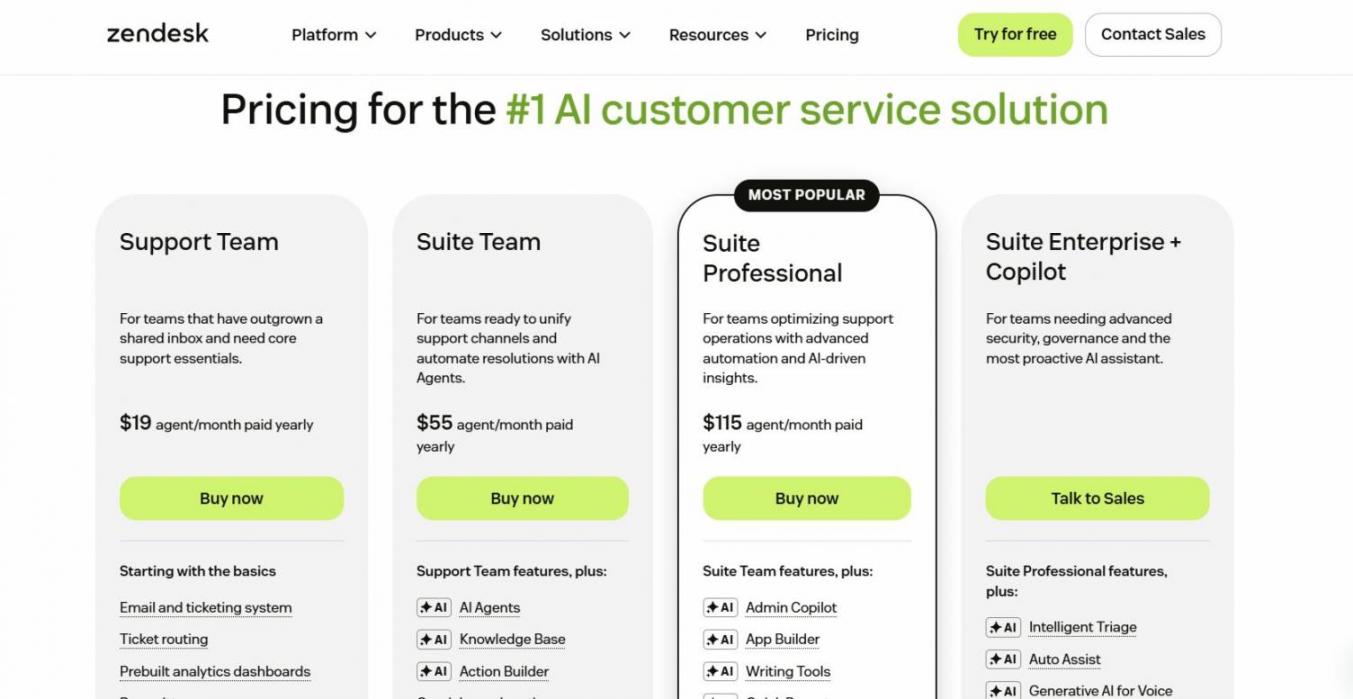
Image via Zendesk
Tool Level
- SMB through enterprise, strongest for support-led teams
Usability
- Easy to learn for support teams. Less suitable as a standalone customer success platform.
Pro Tip: If you adopt Zendesk for CS, pair it with a dedicated CSP and let Zendesk feed CX signals into your health score, rather than expecting it to forecast renewals.
9. ClientSuccess
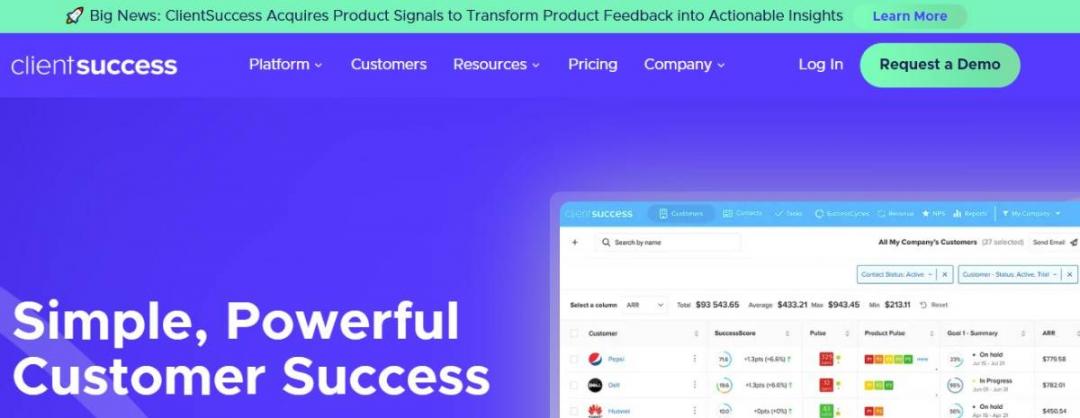
Image via ClientSuccess
ClientSuccess is straightforward, fast-to-implement customer success software for B2B SaaS teams that want strong health scoring and renewal management without enterprise cost or complexity.
It’s a practical pick for teams scaling from startup to mid-market.
Why ClientSuccess works for lean teams
A clean Client 360 view helps account managers find what they need quickly. Automated SuccessScores highlight at-risk customers without the complexity of an enterprise platform.
Key Features
- Client 360 dashboard: View contract value, product usage, support activity, and customer health in one place
- SuccessScore: Automated, customizable health scoring
- SuccessCycles: Automate onboarding, renewals, and workflows for at-risk customer accounts
- Renewal and revenue management: Contract and expansion tracking
- NPS and Pulse: Track customer sentiment and satisfaction without extra tools
Pros
- Notably easy to adopt and quick to implement
- Strong health scoring and playbooks for the price
- More affordable than many enterprise customer success platforms
Cons
- Quote-based pricing with no public figures.
- No free plan or self-serve trial.
- Lighter than Gainsight or Planhat for enterprise use cases.
Pricing: Contact the sales team for prices.
Tool Level
- SMB to mid-market.
Usability
- Among the easiest full CSPs to roll out.
Pro Tip: Use SuccessCycles to standardize onboarding first; it’s the stage where a consistent process most reliably lifts retention.
Other Customer Success Tools Worth Considering
A few more customer success software options are worth considering if your requirements are more specialized. SmartKarrot leans on automation and intelligence for mid-market and enterprise teams. Velaris is a newer AI-native customer success platform for B2B SaaS. And product-adoption tools like Userpilot earn a place when onboarding and in-app engagement are your main retention levers.
Customer Success Metrics That Prove It’s Working
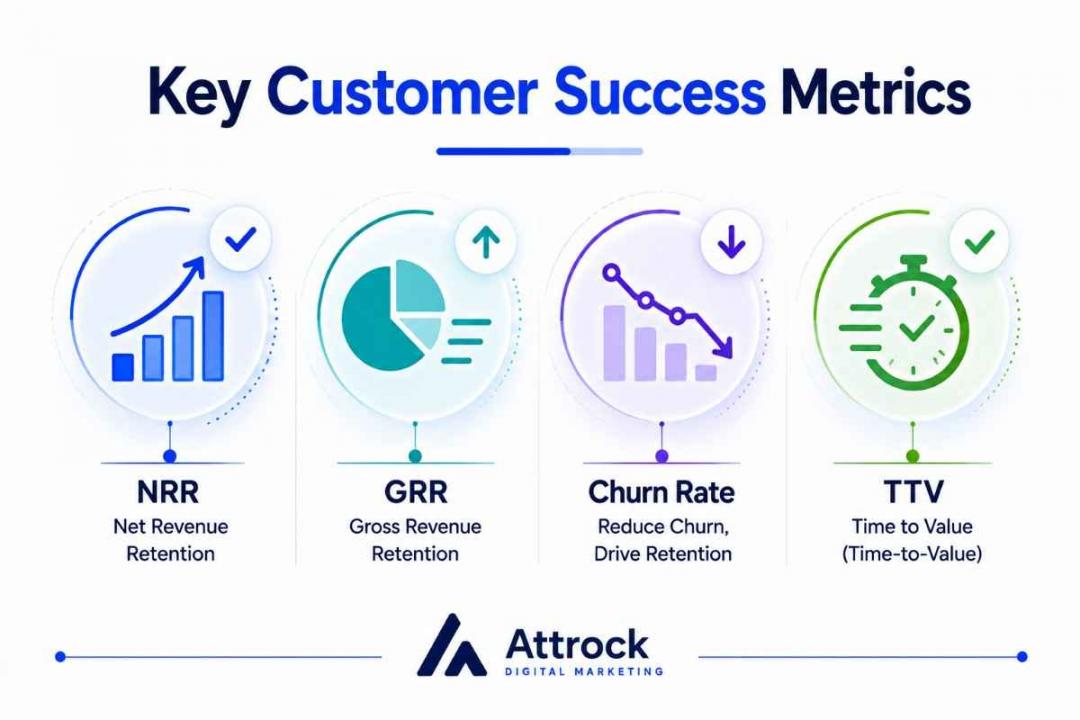
Image via Attrock
The best way to measure customer success software is by the business outcomes it delivers. Focus on net revenue retention, gross retention, churn rate, time-to-value, customer health, and customer satisfaction. Good software tracks all of them automatically.
These are the numbers leadership cares about, and the ones a CSP should surface without a spreadsheet. Here’s what each one means and what “good” looks like.
| Metric | What It Measures | “Good” Benchmark (2025–26) | How the Software Tracks It |
|---|---|---|---|
| Net revenue retention (NRR) | Revenue kept and expanded from existing customers | ~106% median; 120%+ best-in-class | Renewal and expansion data over time |
| Gross retention (GRR) | Revenue kept before expansion | High 80s to 90s% | Churned and downgraded revenue |
| Churn rate | Customers or revenue lost | Lower is better; varies by segment | Cancellations and non-renewals |
| Time-to-value (TTV) | How fast a customer gets value | Days to weeks, by product | Onboarding milestones and adoption |
| Customer health score | Composite risk and opportunity | Trend up; fewer red accounts | Usage, sentiment, and support signals |
| Customer satisfaction (CSAT/NPS) | How customers feel | Benchmark to your category | Surveys and feedback loops |
Net revenue retention is the metric that matters most for SaaS businesses. SaaS Capital's 2025 research puts the median at about 106% for private B2B SaaS. If your customer success software helps improve NRR over time, it's delivering measurable value.
AI is also changing how customer success teams manage these metrics. Around 45% are already piloting AI use cases, but only 22% have a formal strategy, according to ChurnZero's 2025 research. Expect customer health scoring and customer satisfaction insights to become even more predictive over time.
Net revenue retention. It captures churn, downgrades, and expansion in one number, and it’s the clearest proof your customer success software is doing its job.
FAQ
Q1. What is customer success software?
A. Customer success software is a platform that helps post-sale teams reduce churn and grow revenue. It unifies customer data, product usage, support, and contracts, into health scores, alerts, and playbooks across onboarding, adoption, renewal, and expansion.
Q2. What’s the difference between a CRM and customer success software?
A. A CRM manages the pipeline before the sale. Customer success software manages the relationship after it, focusing on health, adoption, and renewals rather than deals. Many teams run both and connect them.
Q3. What’s the difference between customer success and customer support software?
A. Customer support software resolves issues reactively through tickets. Customer success software works proactively across the lifecycle to prevent churn and grow accounts. Customer success software works proactively to improve customer health, reduce churn, and grow accounts throughout the customer lifecycle.
Q4. What are the four pillars of customer success?
A. Most frameworks describe four pillars: onboarding and adoption, retention, expansion, and advocacy. Good customer success software supports all four, helping teams activate new customers, keep them, grow them, and turn them into references.
Q5. How much does customer success software cost?
A. It varies widely. HubSpot and Zendesk publish pricing, starting from a free plan or roughly $15 to $55 per seat or agent. Most dedicated platforms are quote-based, often ranging from low five figures to six figures per year.
Q6. Can customer success software reduce churn?
A. Yes. Customer success software tracks customer health, identifies early warning signs, and alerts your team before accounts become renewal risks. That proactive save is the core reason teams adopt it, and it’s what protects net revenue retention.
Q7. What’s the best customer success software for SaaS or product-led companies?
A. HubSpot Service Hub is a strong all-in-one choice for growing SaaS businesses. Vitally, Custify, and ChurnZero are also excellent customer success platforms for B2B SaaS. Product-led companies often pair their platform with Userpilot to improve onboarding and product adoption.
Q8. How long does customer success software take to implement?
A. Lightweight tools can go live in days to a few weeks. Enterprise platforms like Gainsight often take longer, with most teams seeing meaningful ROI within three to six months.
Q9. How do customer success platforms handle data security and compliance?
A. Reputable platforms offer SOC 2 Type II, GDPR compliance, encryption, and role-based access, and some specify data residency. Always confirm the specifics on the vendor’s trust center before you commit, rather than assuming them.
Final Thoughts
The best customer success software fits your stage, your stack, and how hands-on your team is. It’s not the one with the longest feature list. For most growing teams, HubSpot Service Hub is the strongest place to start, with a free CRM under it and customer success, service, and AI in one platform. From there, Gainsight, ChurnZero, Vitally, and the rest each win a clear lane.
If you want help building the retention and growth engine around whichever tool you choose, talk to my team at Attrock. And if you’d rather start hands-on, try HubSpot’s customer success tools.
Disclaimer: This content contains some affiliate links for which we will earn a commission (at no additional cost to you). This is to ensure that we can keep creating free content for you.