To rank in ChatGPT answers, you need to structure content so it directly answers questions, builds topical authority, and is easy for LLMs to extract and cite.
Instead of relying only on Google search, people now use large language models (LLMs) like ChatGPT for answers. To rank in ChatGPT answers, visibility is no longer just about rankings. It’s about whether your brand appears in AI-generated responses.
Tools like HubSpot AEO can help structure content for this shift. Since search behavior has changed, it’s important to learn how to rank in ChatGPT in 2026 to improve visibility and revenue.
LLMs generate responses by pulling content that matches queries, answers questions directly, and builds authority. Marketers now use Generative Engine Optimization (GEO) and Answer Engine Optimization (AEO) to make content easier to extract and cite.
In this article, we explain what ranking in ChatGPT means and how to improve visibility in AI-generated answers.
Disclaimer: This content contains some affiliate links for which we will earn a commission (at no additional cost to you). This is to ensure that we can keep creating free content for you.
Table of Contents
What Ranking in ChatGPT Answers Actually Means
This refers to whether your brand or content appears in AI-generated responses when users ask questions. Unlike traditional search results on SERPs, visibility depends on whether the LLM selects your content as a trusted source.
Appearing in ChatGPT answers increases your brand’s exposure when users are actively searching for solutions to specific problems. This also builds brand authority beyond Google rankings.
ChatGPT’s traffic in March 2026 was 6.19 billion. Traffic from ChatGPT can lead to higher customer lifetime value (CLV). This is the total revenue a customer generates for your business over time. ChatGPT users often arrive on websites more informed and more likely to make a purchase.
GEO (Generative Engine Optimization) vs AEO (Answer Engine Optimization) vs SEO (Search Engine Optimization)
These three concepts are closely related but focus on different types of visibility. SEO (Search Engine Optimization) is about ranking web pages in traditional search engines like Google. It focuses on keywords, backlinks, and SEO strategy to improve rankings.
AEO (Answer Engine Optimization) focuses on optimizing content to answer user questions directly. When done right, it helps your content appear in AI-generated answers, featured snippets, and voice search results.
GEO (Generative Engine Optimization) focuses on positioning your brand as a trusted source in long-form AI responses. When learning how to rank in ChatGPT answers, the goal is to be included in these responses.
In fact, ChatGPT referral traffic grew 206% year-over-year from 2025 to 2026. In this case, referral traffic refers to users who arrive on a website by clicking links within ChatGPT answers. Domains receiving this traffic rose from ~71,000 in 2024 to 260,000 in 2025.
However, Google still plays a role in web search. The percentage of users leaving ChatGPT via clicks and going to Google rose from 14% to over 21%. This means more users who leave ChatGPT by clicking links are turning to Google to continue their search:
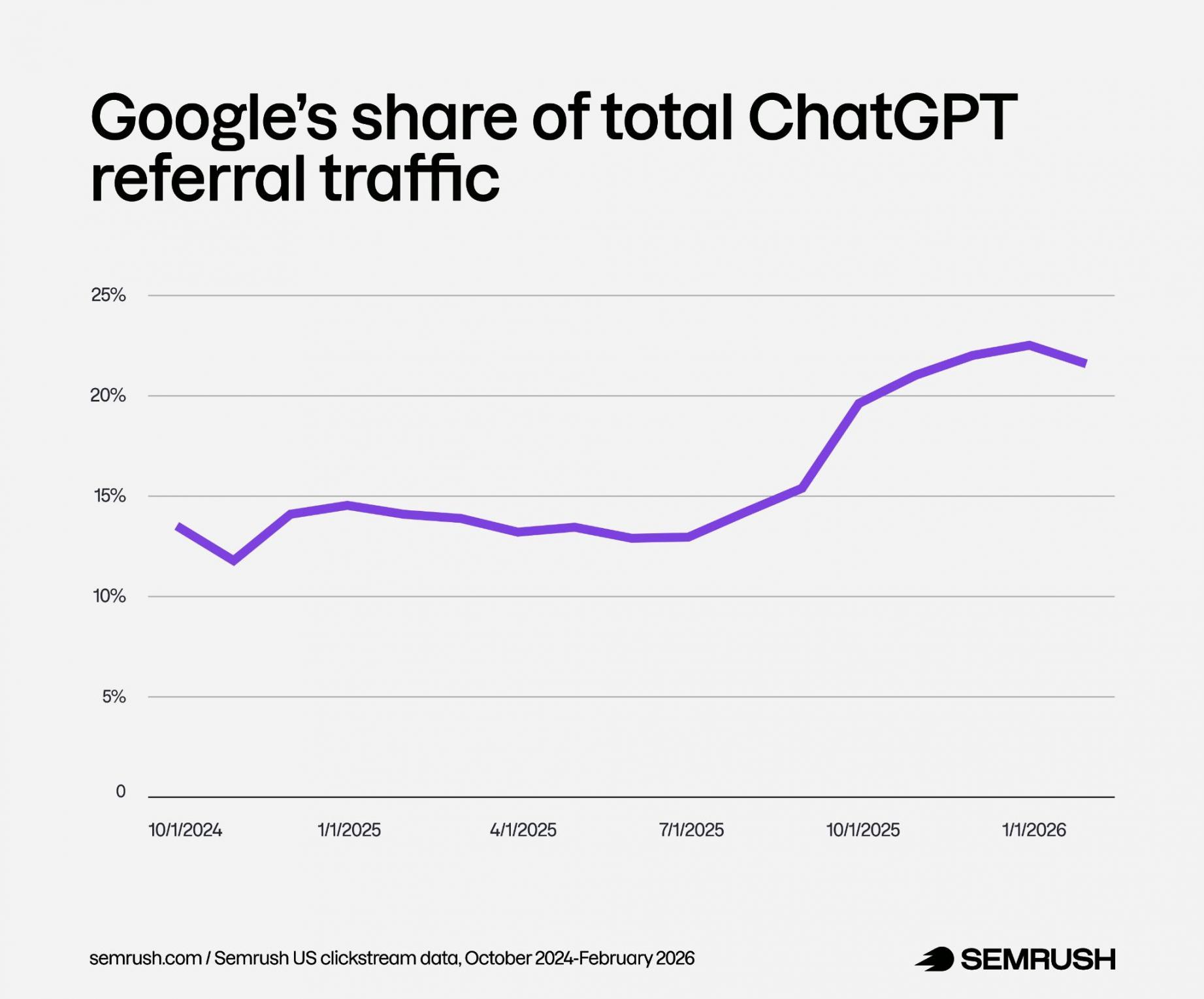
Image via Semrush
How To Rank in ChatGPT Answers: 7 Strategies to Boost Visibility
We’ll break down seven key strategies for how to rank in ChatGPT answers. Before you begin, know that managing AI search optimization manually is time-consuming and difficult to keep consistent across channels.
Automation tools like HubSpot help teams manage content, structure data, and track performance in one place. HubSpot reports that its AEO beta users saw a 20% increase in AI-driven traffic compared to non-users. HubSpot’s AEO tools include AI-powered search features that help improve brand visibility.
Now, let’s break down the seven strategies that help your content appear in ChatGPT answers.
1. Create Content that Directly Answers User Questions
AI platforms prioritize content that directly answers a query. Start with the answer in the first 40 – 60 words, then expand with details. This reduces the need for AI to crawl through multiple websites to find answers.
Use question-based headings like “What is…” or “How to…” to match specific queries in ChatGPT.
Tools like HubSpot connect with Google Search Console to show queries already driving traffic. You can then create content around them. HubSpot’s free AI blog writer also helps generate drafts. In HubSpot, go to Content → Blog and click Start with AI, then select a topic or add your idea:
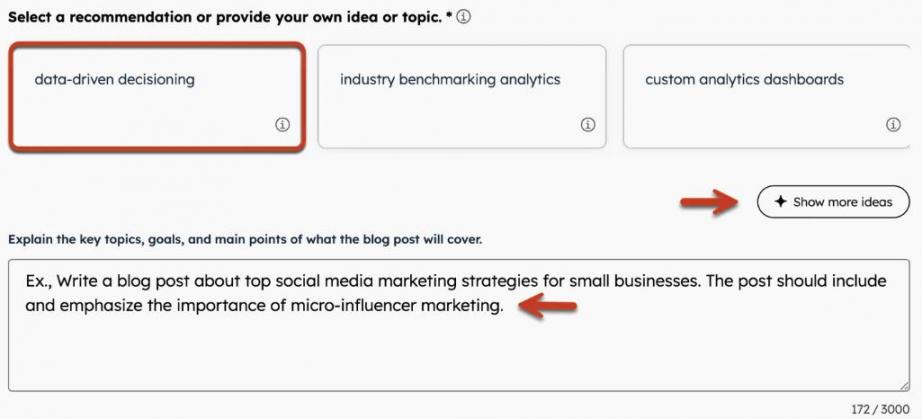
Image via HubSpot
2. Use a Conversational Tone in Content for ChatGPT Search
A conversational structure increases AI mentions when trying to rank in ChatGPT answers. This is part of a conversational AI content strategy. You need to write the way people speak, using full sentences instead of keyword-heavy or robotic phrasing. Keep answers simple and direct under question-based headings. It should sound human-like.
People don’t search the same way on ChatGPT as they do on Google. Between 65% and 85% of ChatGPT prompts don’t match traditional search keywords.
Instead of short phrases like “best CRM tools,” users ask full questions like “What are the best CRM tools for small businesses?” Match this style to improve the chance of being mentioned in ChatGPT answers:
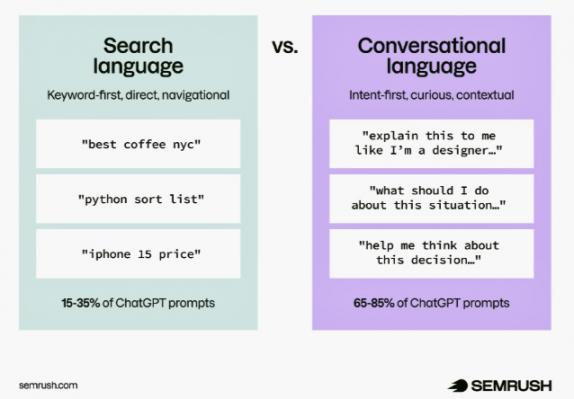
Image via Semrush
3. Build Topical Authority Through Content Clusters
Topical authority means Google and LLMs see you as a trusted source on a subject because you consistently publish related content. This is key when learning how to rank in ChatGPT answers.
To build it, start with a content cluster — a group of connected pages around one main topic. For example:
- Pillar Page (Main Topic): “Ecommerce Growth Strategy for Fashion Brands.”
- Cluster Pages (Supporting Topics): “Product Page Optimization Tips,” or “How to Reduce Cart Abandonment.”
This structure builds trust and shows expertise. Clusters aren’t limited to blog posts. They also apply to:
- Landing pages
- Guides
- Help docs
- Product pages
Anything that is indexed and readable by LLMs can be part of a cluster. To get started, you can use HubSpot’s SEO tools in Marketing Hub to help create topics, pillar pages, and subtopic keywords (up to 100 per topic).
4. Use Schema Markup
Every webpage is built using HTML (HyperText Markup Language). Schema markup is a type of code added to your website’s HTML. It helps search engines like Google and LLMs like ChatGPT understand what your content actually means. It acts like a digital label for products, prices, or FAQs.
In SEO, schema can help you get featured in rich snippets (enhanced results showing ratings, prices, FAQs, or event dates), which increase clicks. For AI, schema makes content easier to extract and more likely to appear in generated answers.
Common types of schema include:
- Product schema
- FAQ schema
- Article schema
- Local business schema
In a 2025 study of 10,000 ChatGPT-cited pages, 72.3% used schema markup.
5. Follow E-E-A-T (Experience, Expertise, Authoritativeness, Trust)
E-E-A-T comes from Google’s quality guidelines and helps evaluate content quality across search systems, including ChatGPT. It matters when learning how to rank in ChatGPT answers because AI prioritizes content that shows real experience.
Include new insights, examples, or original data, since this increases the chance of being cited. Build authority signals such as author bios, credentials, and proof of expertise so AI understands who is behind the content.
Focus on freshness and accuracy by updating it regularly, adding update dates, and fact-checking. This improves trust and visibility in ChatGPT answers.
You can also use HubSpot’s AEO grader to see how AI systems perceive your authority and optimize accordingly.
6. Include Off-Site Signals (Reddit, Wikipedia, PR mentions) to Enhance ChatGPT Rankings
Data from 287,000 citations shows Reddit (40.2%) and Wikipedia (23.1%) were the most cited sources by LLMs like ChatGPT in 2025. This is followed by news sites, government pages, academic sites, blogs, YouTube, social media (TikTok), and forums:
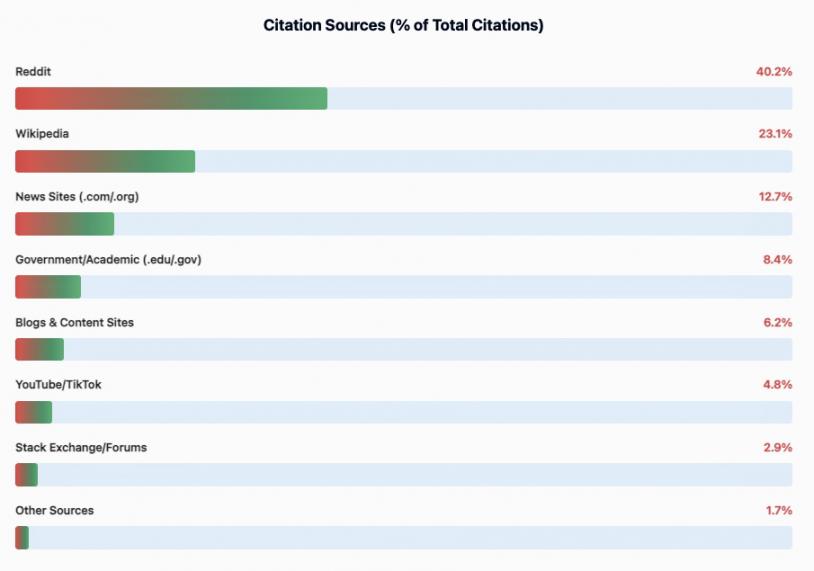
Image via Hashmeta
This shows that AI cites information from multiple sources when answering user queries. This means you should focus on getting your brand mentioned on Reddit threads, industry forums, PR mentions, and relevant media sites.
Instead of creating separate content, repurpose existing content (like from your blog) across channels. With tools like HubSpot, you can use the Content Remix feature. This takes your existing blog posts or videos and repurposes them into emails, landing pages, and social media posts within minutes:
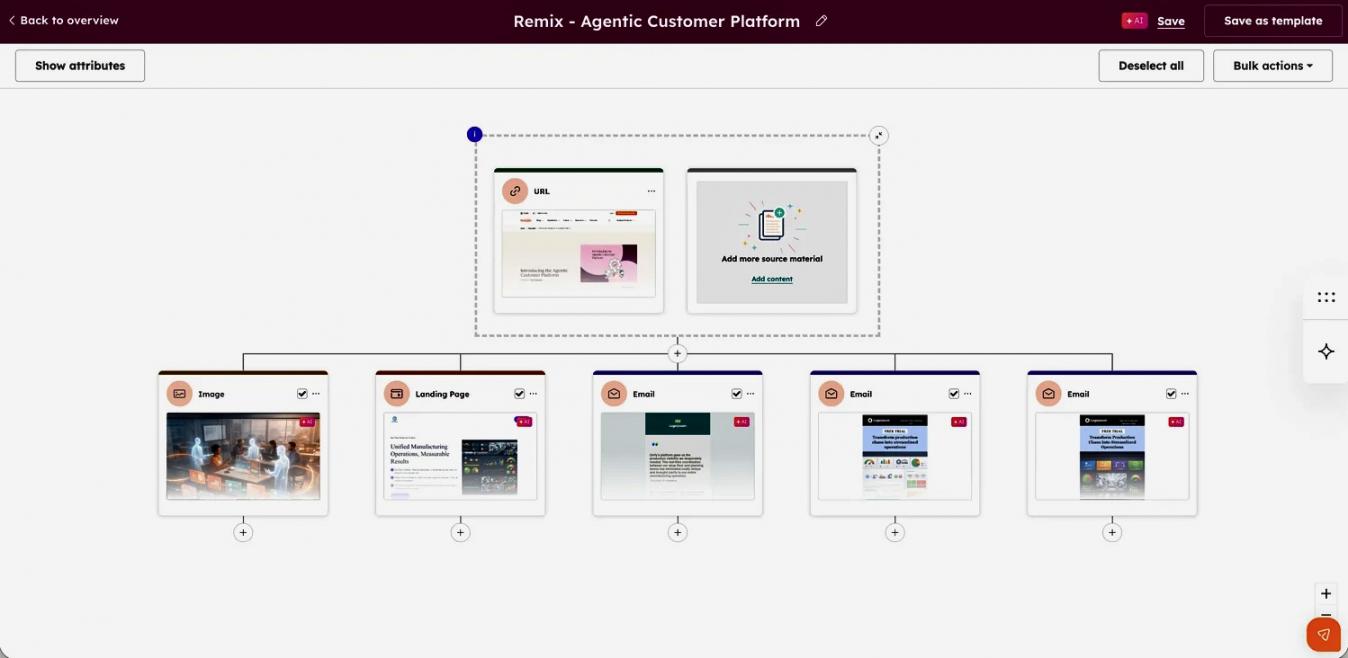
Image via HubSpot
7. Measure ChatGPT Visibility
This is one of the most important steps when learning how to rank in ChatGPT answers. It involves tracking how often your brand, product, or website is mentioned in ChatGPT answers and in what context.
You’ll need to measure:
- Visibility Rate: How often your brand is mentioned compared to competitors
- Sentiment: Whether mentions are positive, neutral, or negative
- Rank Position: Where your brand appears in the answer (first or not included)
This helps you see if competitors are being recommended and which pages are considered authoritative enough to be sourced. It also helps you optimize content for LLM visibility and high-intent traffic.
You can track this manually by asking ChatGPT prompts like “What is the best [tool]?” or you can use tools like HubSpot for detailed reporting:
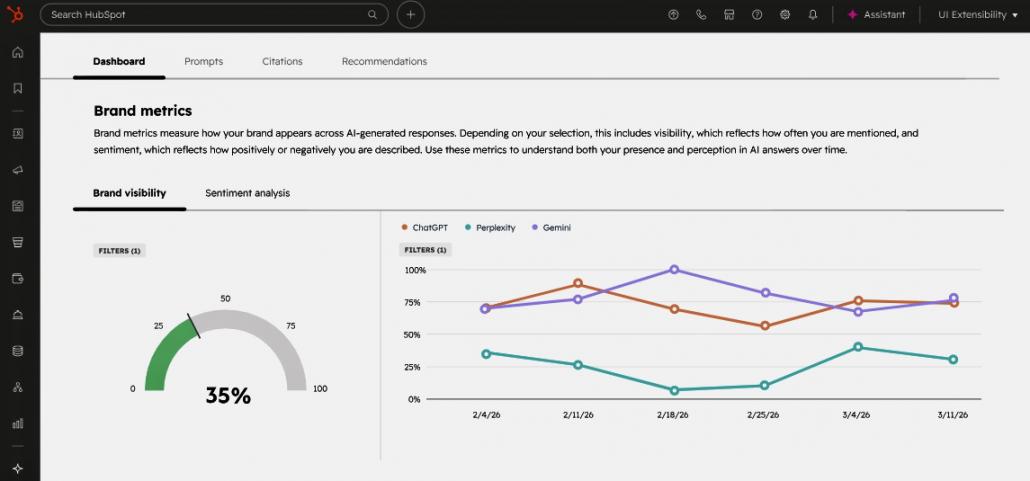
Image via HubSpot
Common AI Search Mistakes To Avoid
When learning how to rank in ChatGPT answers, avoid these beginner mistakes that may reduce visibility, traffic, and revenue:
- Treating AI Like Traditional SEO: Only focusing on keywords and backlinks instead of topical authority and entities. AI doesn’t rank pages the same way Google does, so include real, experience-based insights, question-based answering, and off-site signals.
- Burying the Answer: Delaying the main point with long introductions or unnecessary context before answering the question. AI prefers content that gives the direct answer first so it can extract it easily.
- Keyword Stuffing: Repeating keywords unnaturally in an attempt to improve rankings. This lowers content quality and can reduce rankings and trust in SEO and AI search.
- Ignoring Structure and Readability: Writing long paragraphs without clear H2s or H3s. Use bullet points, tables, or lists to help AI understand your content, especially when covering technical topics.
- Ignoring Crawlability: Assuming content will be indexed automatically after publishing. Always ensure your site is indexed, use HTML for text, and make sure your pages load fast.
FAQ
Q1. Is ranking in AI overviews and ChatGPT answers more valuable than ranking on Google’s first page in 2026?
A. Ranking in ChatGPT is becoming equally important. Google still drives traffic, but AI-generated answers now help influence purchase decisions earlier in the customer journey. Most brands now need both to stay visible across search and AI.
Q2. Does publishing more content help you rank in ChatGPT answers?
A. Not necessarily. Publishing more only helps if the content is high quality and builds topical authority. LLMs prioritize clarity, trust signals, and relevance over volume alone.
Q3. How do we rank when AI answers everything?
A. You focus on becoming a trusted source AI pulls from. This means strong content structure (conversational tone, bullet lists, question-based answers), authority signals, and consistent mentions across the web.
Q4. Can a ChatGPT-written blog rank on Google?
A. It can, but only if it’s edited for accuracy, originality, and quality. Google only requires you to follow E-E-A-T (Experience, Expertise, Authoritativeness, Trust); it doesn’t evaluate how the content was created. In a nutshell, human oversight matters.
Q5. Has anyone ever tested HubSpot AEO (answer engine optimization)?
A. Yes. In fact, HubSpot reports that its AEO beta users gained 20% more traffic from AI-driven search than users who weren’t using the tool.
Conclusion
Learning how to rank in ChatGPT answers is about becoming a trusted source that AI selects when generating responses. Success comes from clear answers, topical authority, schema markup, and strong E-E-A-T signals, along with visibility across multiple other channels.
ChatGPT users ask full, specific questions and expect direct answers, not keyword-based pages. If your content matches this behavior, you increase your chances of appearing in AI-generated responses.
Start applying the strategies covered in this guide consistently and sign up with automation tools such as HubSpot to improve visibility and attract higher-intent traffic. This can increase your revenue over time.
Disclaimer: This content contains some affiliate links for which we will earn a commission (at no additional cost to you). This is to ensure that we can keep creating free content for you.