HubSpot for nonprofits provides mission-driven organizations with a better way to handle donor relationships, outreach, and daily operations.
You can use it to centralize donor data, track donor engagement, and improve marketing efforts from one platform. Its powerful Smart CRM works alongside automation, reporting, and contact tools to streamline your efforts.
Teams using HubSpot for nonprofits and integrated hubs simplify outreach and build lasting relationships with supporters.
In this guide, you’ll learn how HubSpot for nonprofits works, what tools it offers, and how to use it to grow your organization’s impact.
Disclaimer: This content contains some affiliate links for which we will earn a commission (at no additional cost to you). This is to ensure that we can keep creating free content for you.
Table of Contents
What Is HubSpot for Nonprofits?
HubSpot for nonprofits is a tailored version of HubSpot’s powerful customer relationship management platform, designed for nonprofit needs.
It provides a unified system for donor tracking, contact management, and data analytics. This breaks down data silos, so you can easily nurture donor relationships.
Here’s what this looks like in practice. Qualifying nonprofits get 40% off Professional and Enterprise-tier products. This discount applies to Marketing Hub, Content Hub, Sales Hub, and more.
Aside from this discount, new clients gain access to a library of resources and a community. They also have over 1,000 integrations, ranging from fundraising platforms to email marketing software and beyond.
HubSpot for nonprofits is built around one idea: giving organizations the tools they need to build strong relationships. This can be with donors, volunteers, and the communities you serve.
How HubSpot’s Core Hubs Support Nonprofit Growth
HubSpot for nonprofits brings together powerful tools. Each hub plays a clear role in supporting the growth of your nonprofit organization.
HubSpot Smart CRM
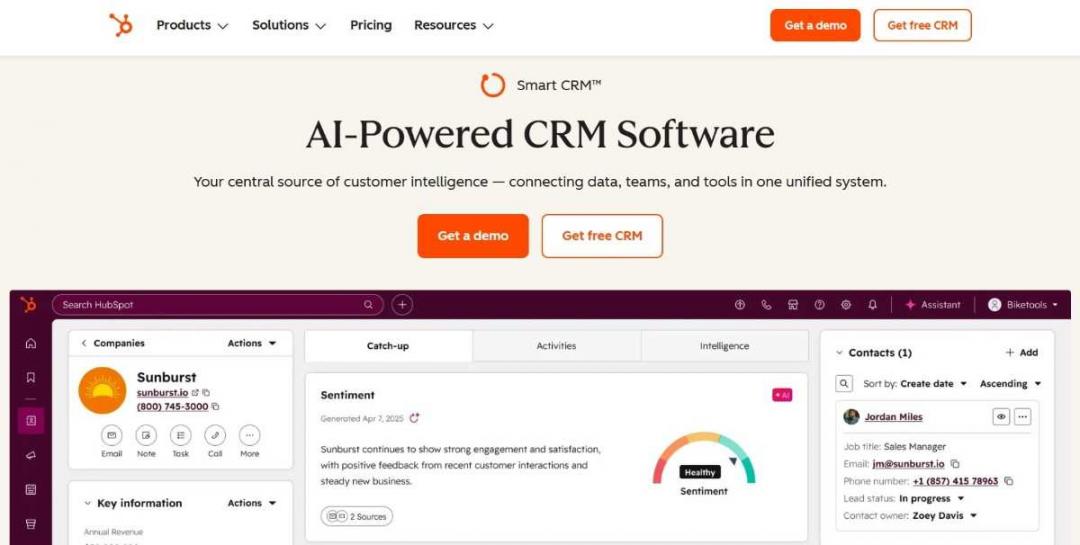
Image via HubSpot
Everything in the HubSpot software runs on Smart CRM. It’s not a standalone product; it’s the foundation that every hub builds on. This stores all your donor data, contact records, communication history, and engagement activity.
For nonprofits, this means no more data silos. Every email, donation, and interaction is logged on a unified timeline. The result? Teams gain full visibility into donor behavior. Here are more ways Smart CRM supports HubSpot for nonprofits:
- Maintain Unified Contact Records: Store all donor details in one place. Track emails, meetings, and donations without switching tools.
- Use Object Labels: Rename terms like “Deals” to “Gifts” or “Grants.” This helps your system match nonprofit language and workflows.
- Drive Donor Segmentation: Group donors based on behavior or giving level. Create active segments/lists that automatically update with new data.
- Review Activity Timeline: See every interaction in one view. This helps your team understand context before reaching out.
- Predict Donor Engagement: Use AI tools like Breeze AI Agents to find high-value donors. This helps you send more relevant messages.
- Create Analytics Dashboards and Reports: Track key metrics like retention trends and funds raised. Use simple visuals to monitor ROI and guide decisions.
HubSpot Marketing Hub
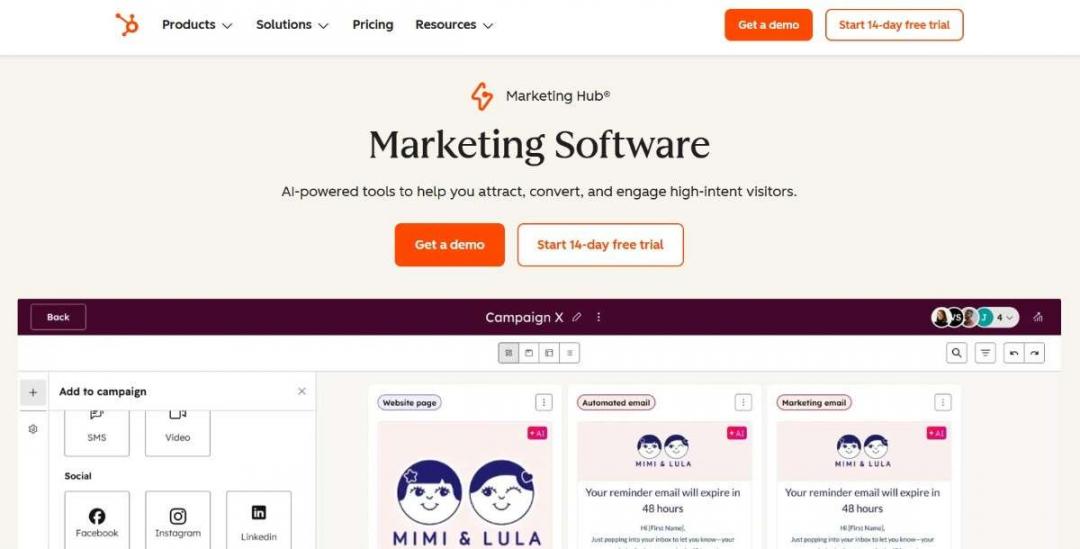
Image via HubSpot
The Marketing Hub drives outreach and growth for organizations using HubSpot for nonprofits. It helps them attract supporters and run targeted campaigns. Plus, it turns interest into long-term donor engagement.
With HubSpot for nonprofits, all marketing connects to Smart CRM. This means every campaign uses real donor data to create more targeted messages.
Here’s how Marketing Hub supports fundraising and outreach:
- Automate Outreach with Workflows: Set up emails that send automatically. Thank donors for donations or event sign-ups in real time.
- Start Email Marketing: Create emails using a simple drag-and-drop editor. Use smart personalization tokens to tailor messages based on donor data and past engagement.
- Capture Donors with Forms and Pop-ups: Use easy-to-build, mobile-optimized forms to collect information about new supporters. Automatically sync this data to HubSpot CRM to start nurturing new leads instantly.
- Create Custom Landing Pages: Build high-converting landing pages for campaigns or events. You can use drag-and-drop tools without coding.
- Measure Campaign Performance: Track which campaigns drive donations. Use campaign analytics and attribution reporting to determine what works best.
- Connect Ad Platforms: Link Google Ads and LinkedIn Ads to your HubSpot CRM. This helps you see which ads bring in real donors, not just clicks.
HubSpot Sales Hub
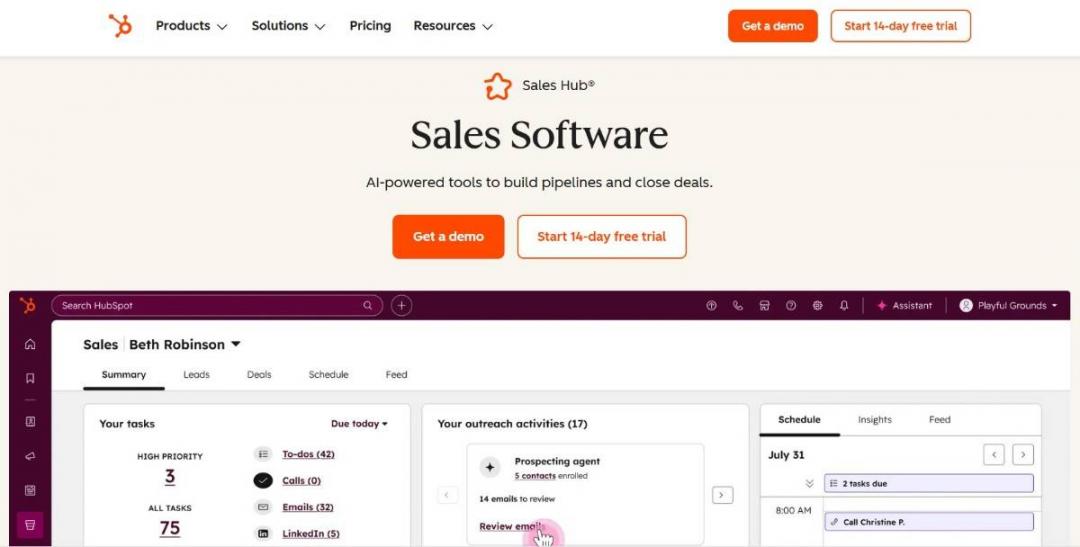
Image via HubSpot
Nonprofits don’t “sell” in the traditional sense. However, they can still use HubSpot for nonprofits to manage fundraising, donors, and partnerships more effectively.
HubSpot Sales Hub helps you track opportunities with more structure, making planning and follow-ups easier. Instead of using spreadsheets, you can see each stage of your fundraising process in one place.
Here’s how Sales Hub supports nonprofit growth:
- Manage Fundraising Pipelines: Track donations, grants, and sponsorships in one system. Move each opportunity through custom stages that align with your process.
- Automate Follow-Ups with Sequences: Send emails and task reminders automatically. This way, you can stay in touch with donors without missing key moments.
- Simplify Donor Bookings with the Meeting Scheduler: Make it easy for supporters to book a meeting with your team. This removes back-and-forth and saves time.
- Use the Sales Workspace: View tasks, pipelines, and donor details in one dashboard. This helps your team stay organized, act faster, and improve outreach.
- Leverage Breeze Prospecting Agent: Research donors and find new opportunities. Use the agent’s AI insights to ensure a more personal outreach at scale.
- Use Predictive Lead Scoring and AI Insights: Identify donors most likely to become major donors. This allows you to focus your time and efforts on those relationships.
HubSpot Content Hub
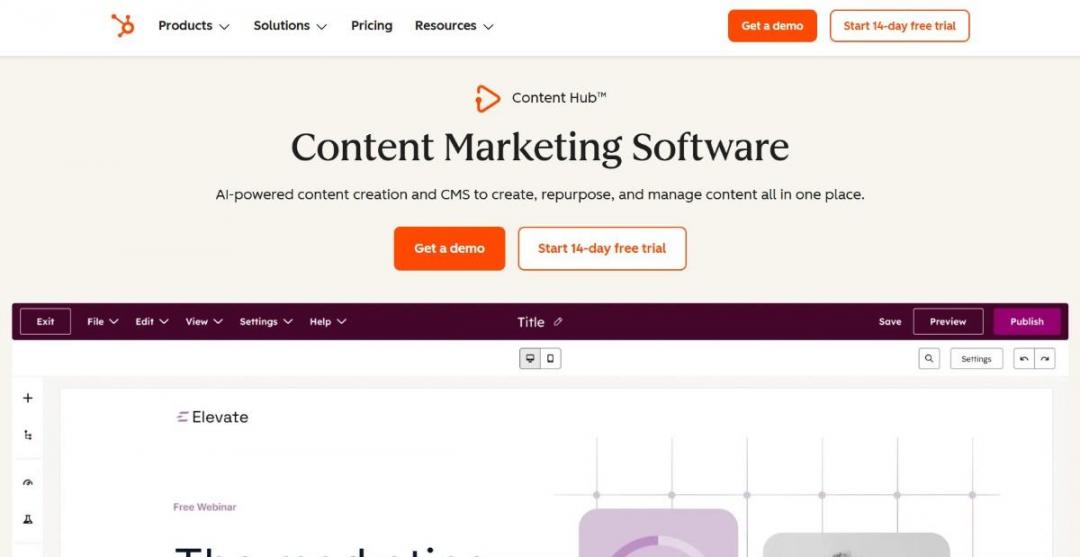
Image via HubSpot
Content is key for nonprofit storytelling and outreach. It helps you share your mission and connect with supporters.
To help optimize your content, the HubSpot Content Hub provides tools to create and manage it in one place. It’s fully integrated with HubSpot Smart CRM, so all content ties back to donor data and campaign goals.
Here’s how Content Hub supports nonprofit growth:
- Create and Manage Web Pages: Build donation pages, blogs, and event sites easily. You can use a drag‑and‑drop website builder, so you don’t need coding knowledge.
- Generate Content with Content Agent: Use HubSpot’s AI content writing tool to draft blog posts, landing pages, and emails. It can write based on your voice and goals.
- Repurpose Content with Content Remix: Convert one piece of content into various formats. For example, you can turn a blog post into a social media post, email, or ad for wider reach.
- Improve SEO and Visibility: Use SEO recommendations and organic search insights. This strategy helps improve search rankings and attract more supporters.
- Manage Content Access: Control access to resources using gated content and memberships. This works well for exclusive reports or donor updates.
- Track Content Performance: Monitor views, conversions, and engagement with content analytics. Use this data to improve content strategy.
Key Benefits of Using HubSpot for Nonprofits
Running a nonprofit means wearing many hats. You’re managing donors, coordinating volunteers, planning campaigns, and reporting impact. Often, you’re doing all this with a small team.
HubSpot for nonprofits brings all of that under one roof. Here’s what that means for you.
Centralizes Donor and Contact Management
Strong relationships form the base of successful nonprofit fundraising. HubSpot’s Smart CRM ties email opens, donation history, meeting notes, and form submissions to a single contact record.
What makes this tool especially powerful for nonprofits is its flexibility. HubSpot lets you create custom donor Lifecycle Stages. These let your team know where a relationship stands. You can use labels like “First-Time Donor,” “Major Gift Prospect,” or “Lapsed.”
Nonprofits can also customize CRM object labels to match fundraising workflows. For example, the “Deals” object can be renamed into “Donations,” “Gifts,” or “Grants.” This better reflects how your team actually works.
Improves Campaign and Outreach Management
Running effective marketing campaigns is essential for nonprofit outreach efforts. To help with this, HubSpot for nonprofits provides powerful marketing tools. These help teams attract and grow donor engagement.
Nonprofits can use HubSpot Marketing Hub to build landing pages for fundraising initiatives. They can also launch email marketing campaigns and manage social media outreach.
Features like Content Remix allow teams to repurpose existing materials into fresh campaigns. This saves time while maximizing reach.
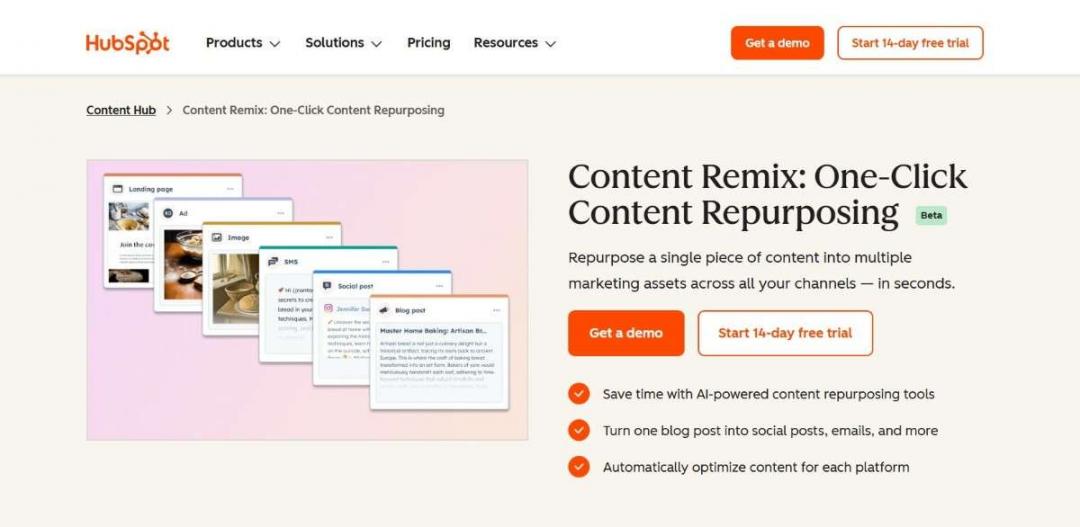
Image via HubSpot
Integrations with Google Ads and LinkedIn Ads are also possible. These allow organizations to expand their reach across multiple channels.
Lastly, HubSpot for nonprofits supports targeted campaigns using contact segmentation. This allows personalized campaigns based on donor behavior, interests, or past donation history.
Saves Time via Automation
Routine tasks can consume valuable staff hours. You can automate such tasks, including sending thank‑you emails, tracking pledges, or scheduling follow‑ups. With HubSpot for nonprofits, you can focus on mission impact instead of manual work.
Think automated donation acknowledgment emails or recurring gift reminders. You can also automate lapsed-donor re-engagement sequences and volunteer onboarding flows. These can be triggered by contact behavior or CRM data and run in the background.
HubSpot’s Breeze AI tools also help teams move faster. Breeze Assistant and Breeze Agents are great examples. They can generate email drafts, summarize CRM data, and automate certain aspects of marketing or outreach workflows.
Provides Access to Integrations and AI Tools
HubSpot integrates with over 1,000 tools through its app marketplace. For nonprofits, this means you can connect your existing platforms directly to your CRM. These include Donorbox, Classy, Fundraise Up, Stripe, Eventbrite, Zoom, and more.
Donation data flows in automatically. This helps keep contact records up to date without manual intervention. AI-powered features like Breeze Intelligence identify insights from HubSpot CRM. This helps with predictive lead scoring based on fit and engagement.
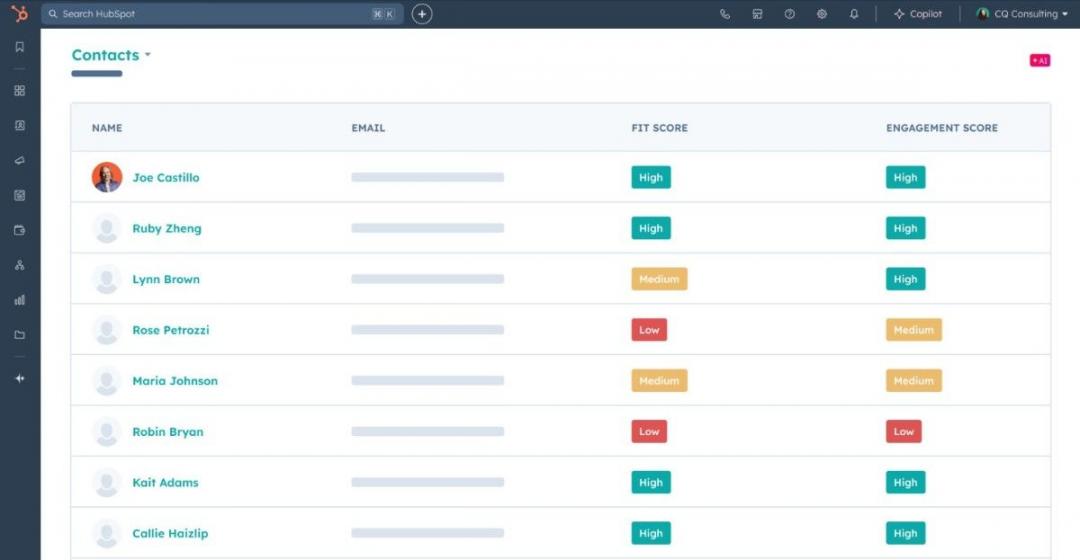
Image via HubSpot
It also feeds into detailed analytics dashboards that track key metrics. These include donor retention, campaign performance, and fundraising trends. The result is cleaner data, sharper targeting, and informed outreach efforts.
Scales Well as Your Nonprofit Grows
Many nonprofits start with small teams and limited technology. With HubSpot for nonprofits, you get flexible tools that grow alongside your organization.
Firstly, the platform offers free CRM software. This provides essential contact management and donor tracking features. As your organization scales, you can add hubs like Marketing, Sales, or Content Hub to expand the features.
As you grow more, you can leverage enterprise-tier products, such as advanced analytics, automation, and reporting tools. You can access analytics insights, measure campaign performance, and make data-driven decisions.
Thanks to scalability, nonprofits can start small. They can gradually build a technology foundation that supports long-term growth.
HubSpot Nonprofit Pricing
HubSpot for nonprofits offers flexible pricing, with free tools and discounted premium plans. The free CRM includes contact management, basic email marketing, forms, live chat, and reporting tools.
From there, paid plans open up more power:
- Starter: From $15/month/seat (Not eligible for nonprofit discount)
- Professional: 40% off the listed Hub price
- Enterprise: 40% off the listed Hub price
You get discounted pricing on the HubSpot platform when you meet the following conditions:
- Must be a registered nonprofit organization
- Reside in select regions, including North America and Australia
- Must be a new HubSpot customer (not previously paid for a subscription)
- Must not fall under excluded categories like hospitals and government agencies
- Must be subscribing to Professional or Enterprise-tier products
- Must commit to an annual contract
Starter tier products, add‑ons, and certain limit increases are excluded, and the discount can’t be combined with other offers. That said, this discount structure allows nonprofits to start with the free HubSpot CRM software, then upgrade affordably as their efforts and needs grow.
How to Get Started with HubSpot as a Nonprofit
Getting started with HubSpot for nonprofits is easy, even for teams with limited technical experience. Here are the steps you must follow:
- Create Your HubSpot Account: Sign up for HubSpot’s free plan and explore the platform to see if it’s the right fit.
- Confirm Eligibility: Review requirements and confirm your nonprofit’s legal status and mission alignment before applying for discounts.
- Connect with HubSpot Sales: State that you’re interested in the nonprofit program and explore the right hub combination for your needs.
- Onboard Your Team: Use the nonprofit-friendly onboarding resources available for Professional and Enterprise plans. Integrate with existing tools.
- Launch and Scale: Automate routine tasks, track campaign performance, and access analytics insights to improve your marketing and outreach.
One more thing: you don’t have to integrate HubSpot all at once. Identify which Hubs will be most useful according to your needs. Then, monitor the impact and expand from there.
For instance, you can start with Marketing Hub for campaigns and donor outreach. Later, you could bundle HubSpot Sales Hub for donor pipeline management or Content Hub for your website and content strategy.
HubSpot for nonprofits can grow with you.
FAQ
Q1. Does HubSpot offer discounts for nonprofits?
A. Yes, it does. Nonprofits in the US, Canada, Australia, and New Zealand qualify if they meet the rules. New users can get a 40% discount on Professional and Enterprise tiers. However, you must have a 501(c)(3) or equal status to unlock advanced automation at a lower cost.
Q2. Can HubSpot manage donor relationships?
A. Absolutely. HubSpot Smart CRM helps nonprofit organizations manage donor relationships. You can track donation history, communication, and donor behavior in one place. The platform also helps improve engagement through personalized campaigns, marketing automation, and detailed analytics.
Q3. Does HubSpot integrate with donation platforms?
A. Yes. HubSpot connects natively with Fundraise Up, Classy, and dozens of other fundraising platforms. This integration automatically pushes donation and attendee information into the CRM. This way, you can improve donation tracking and streamline fundraising efforts.
Q4. Is HubSpot suitable for small nonprofit organizations?
A. Yes, it’s highly scalable. Small teams can start with free tools for contact management and email marketing. As your mission grows, the platform’s “all-in-one” nature reduces the need for many expensive subscriptions. This keeps operations lean and efficient.
Q5. What makes HubSpot different from other nonprofit CRMs?
A. HubSpot stands out with its connected hubs. Marketing Hub, Sales Hub, and Content Hub all tie into Smart CRM. Also, its intuitive interface and powerful Breeze AI tools help automate repetitive tasks. Your staff can focus more on mission-driven storytelling and stewardship.
Ready to Transform Your Outreach and Donor Engagement?
Stop juggling apps that don’t connect.
HubSpot for nonprofits offers a smarter path for your organization. Manage donor relationships, run marketing campaigns, and handle fundraising in one trusted place.
Whether you’re just starting or looking to scale, the platform can grow with your needs. Streamline outreach, improve donor engagement, and unlock clear insights that guide smart choices.
Are you interested in simplifying operations and building lasting relationships with your supporters? Explore HubSpot for nonprofits and see the difference it can make.
Disclaimer: This content contains some affiliate links for which we will earn a commission (at no additional cost to you). This is to ensure that we can keep creating free content for you.