- Founder-led sales puts you in charge of winning your first customers and learning their needs.
- Direct conversations with buyers help you build trust and find ways to improve your product.
- You can plan for future hiring costs as you test your sales approach.
- With a clear target market, you can reach buyers who need your offer.
- You can build a sales process that your team can follow by tracking deals and recording customer conversations.
Founder-led sales means selling your product or service directly to customers as a startup’s founder. In the early stage, no one knows your vision better than you do. Handling sales yourself helps you connect with customers and win their trust.
As a startup owner, you may struggle to get early sales and figure out what buyers want. Founder-led sales can help tackle these challenges by putting you right in front of real buyers. You get direct feedback, refine your offer, and learn which sales methods work best.
In this guide, you’ll learn how founder-led sales works and why it matters for small businesses. We’ll also share simple steps to help you put it into practice.
Disclaimer: This content contains some affiliate links for which we will earn a commission (at no additional cost to you). This helps us keep creating free content for you.
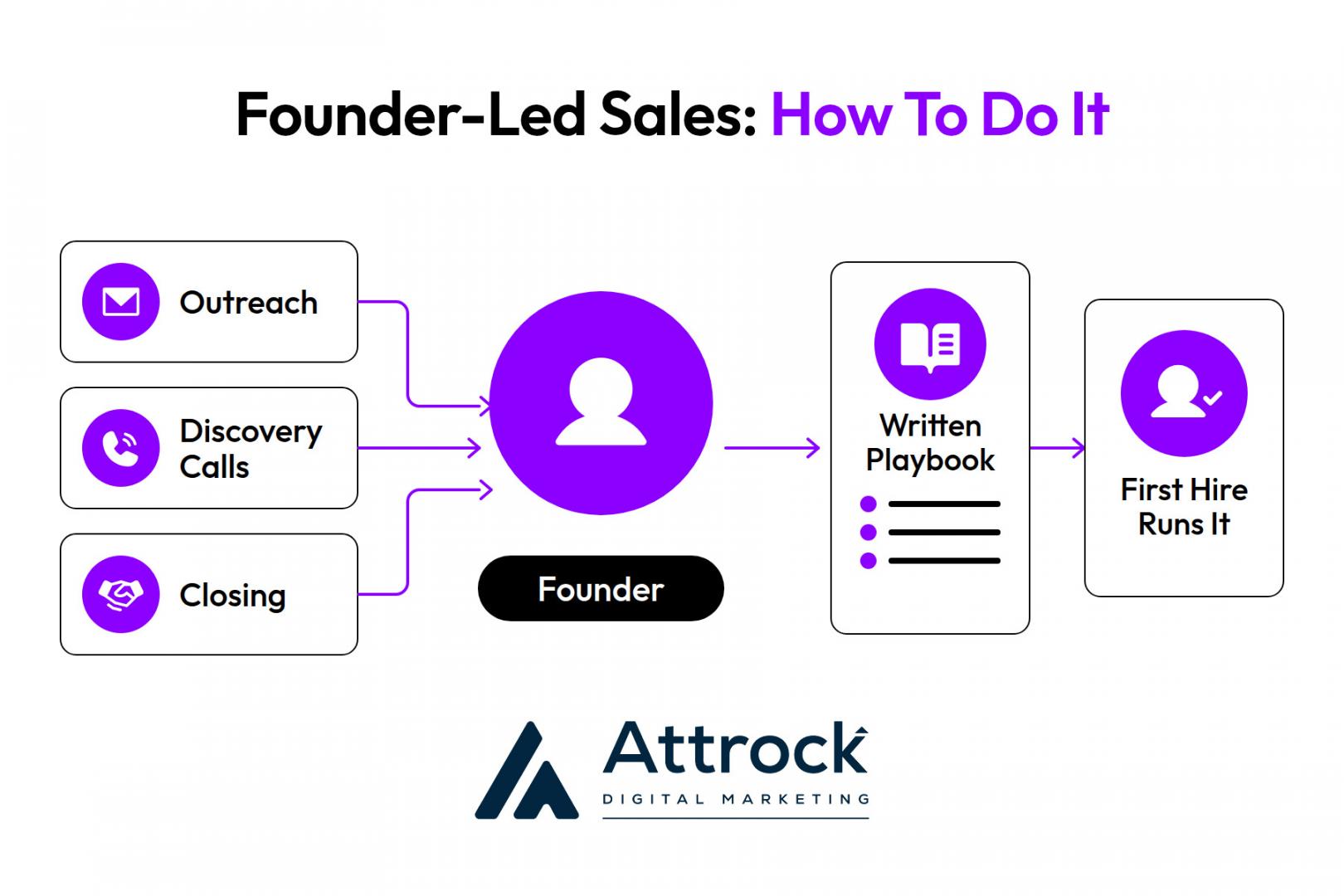
Table of Contents
What Is Founder-Led Sales?
Founder-led sales is an approach where business founders sell to their first customers. Instead of hiring a sales team right away, you talk to potential buyers yourself. You reach out to people, run discovery calls, and close the deals.
This method often works well for startups and small businesses. As a founder, you know why you built your product and which problems it can solve. You can share this knowledge during sales calls. Even better, you hear customer opinions firsthand so you can improve your product.
Recent research shows why this hands-on approach matters. Slush's 2025 survey gathered responses from 607 early-stage European startup founders.
Of these, 50% named customer acquisition as a top concern. Another 52.8% cited revenue growth as a key challenge.
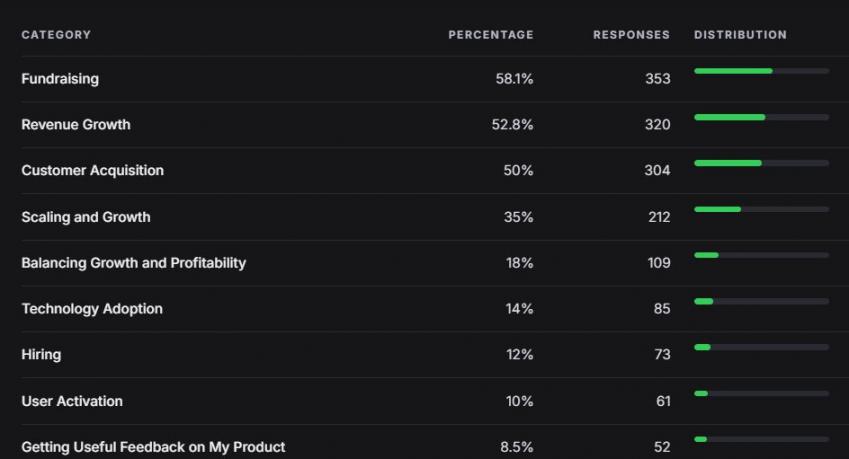
Image via Slush
Founder-led sales let you test market demand before spending money on a larger team. You learn which buyers show interest, what questions they ask, and why they choose to buy. These lessons help you build a process that you can use to coach your sales reps later.
Founder-led sales means the business owner takes charge of selling to early customers. You build relationships, learn what buyers need, and use their feedback to improve your offer. This helps you build credibility and create a sales process before hiring a team.
Why Should You Use a Founder-Led Sales Approach?
Founder-led sales helps you build trust with buyers and use their feedback to guide product improvements. It also gives you time to test your sales process before hiring a team. By selling first, you learn what customers value before you spend more on growth.
Here’s how founder-led sales can help you grow your business:
1. Buyers Open Up to the Business Owner
Customers may speak more freely with a founder than with a sales rep. They share their problems, budgets, and who makes the final choice. You can then use buyer feedback to improve your offer.
Founder-led sales also gives you a chance to build trust early. You can ask better questions about customers’ goals and concerns. This helps you build a real connection instead of pushing for a quick sale.
2. You Learn Fast Enough to Fix the Product
When you handle sales, you hear every customer's concern firsthand. These insights help you improve your product in the early stages. You also avoid spending time and resources on features customers don't need.
A CB Insights 2026 study reviewed 431 venture-backed companies that shut down since 2023. The survey identified failure reasons for 385 of these businesses. It found that 43% of startups failed because they lacked product-market fit.
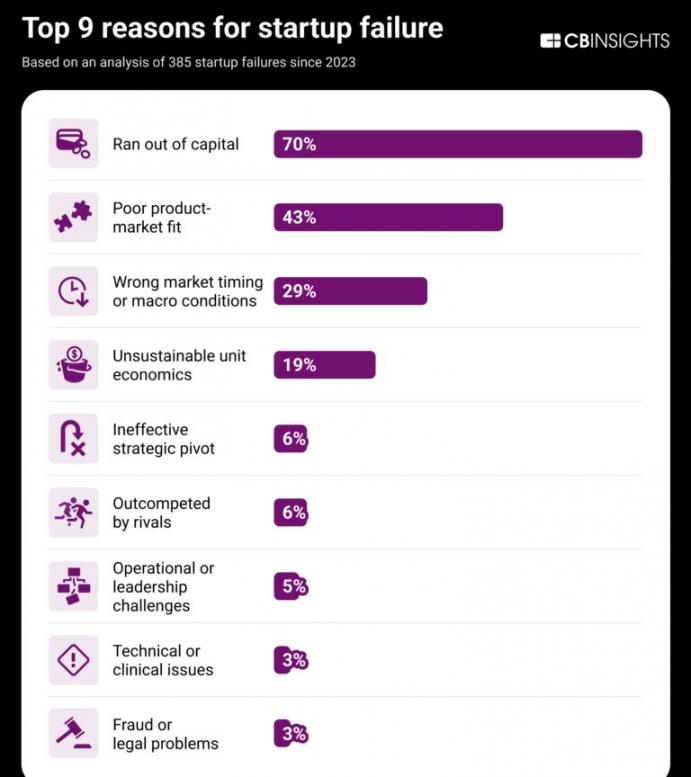
Image via CB Insights
Founder-led sales helps you test demand while mistakes still cost less. Even so, keeping track of every buyer’s details and feedback can be tricky. HubSpot CRM gives your growing business one connected place to manage customers.
Its AI Meeting Prep helps you prepare for sales calls with useful context about past conversations and deal stages. HubSpot’s Notetaker then records, transcribes, and summarizes meetings and suggests next steps. You can then review those notes to spot common concerns and make the necessary improvements.
As of October 2026, Notetaker is available on eligible Sales Hub and Service Hub Starter, Professional, and Enterprise subscriptions. You need to have assigned seats for these plans. HubSpot Credits also apply when Notetaker uses custom properties in smart data capture.
3. You Save Money Until the Process Is Proven
Hiring a sales team before you have a working process can be costly. You may need to pay salaries, coach your team, and buy sales enablement tools. Founder-led sales gives you time to test and fix your approach before adding staff expenses.
After all, even a skilled sales rep may struggle to build a repeatable process from scratch.
You can also use tools to save time even before you bring a team on board. HubSpot's Prospecting Agent can identify good-fit companies, source contact details, and draft personalized email outreach. The tool uses HubSpot Credits every time it generates outreach messages.
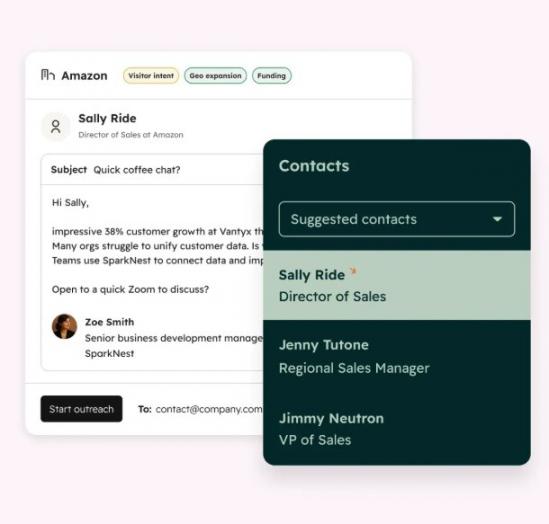
Image via HubSpot
4. You Write the Playbook Your First Hire Needs
A sales playbook explains how you find, pitch, and win customers. Each deal you close in your sales pipeline adds useful lessons to this guide. You learn what customers ask, what makes them hesitate, and why they buy.
Your first hire can then follow proven steps instead of guessing. You can use HubSpot's Deal Board to track each opportunity and its current stage. Meanwhile, Breeze AI Assistant can pull CRM data and help you prepare for buyer conversations.
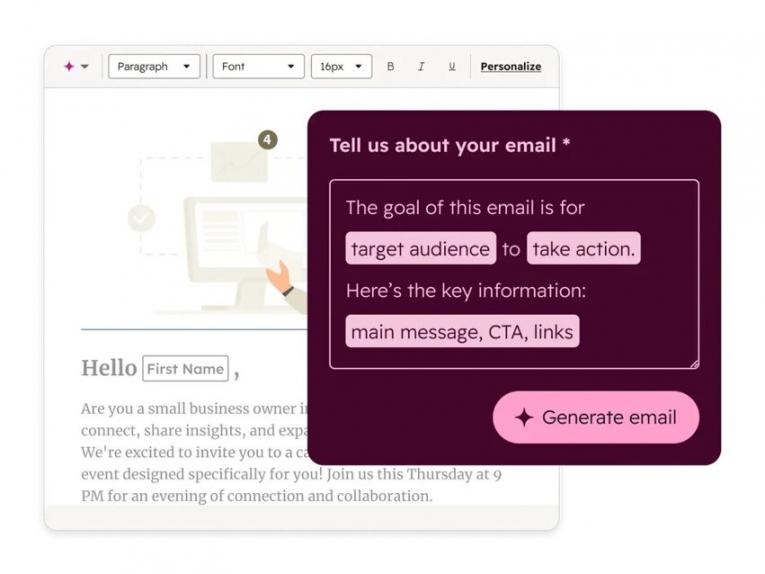
Image via HubSpot
In my view, hiring too soon is a costly mistake. Some founders hire just to escape selling. Instead, use founder-led sales to build a process that works, then hire someone to grow it.
A 2025 study from FreshBooks shows that getting new customers can be tough. It reveals that 47% of small business owners find customer acquisition harder than before.
Founder-led sales helps you build buyer trust and refine your product based on real feedback. It also lets you delay hiring costs as you learn what customers need. You can turn those lessons into a documented sales process your future team can follow.
How Do You Execute Founder-Led Sales? (5 Simple Steps)
A founder-led sales strategy follows five clear steps. First, identify your target customers, start talking to them, and run discovery calls. Then track each deal and record what works so you can repeat the process.
Follow these steps to execute a successful founder-led sales plan:
1. Define the First Customers You Sell To
Choose one type of buyer you can reach this month and describe them in simple terms. This becomes your first ideal customer profile (ICP), describing the type of company most likely to benefit from your offer.
Focus on buyers who share a clear problem your product can solve. Consider their main needs, common concerns, and reasons to buy. Use this profile to guide your sales conversations and outreach.
A founder-led startup sales strategy begins with three simple notes:
- List companies you can reach through people you already know
- Note what makes each company look for a solution now
- Identify the job title of the person who feels the problem most
Keep your first target group small enough to understand well. As you speak with buyers, you can adjust your profile based on what you learn.
A solution like HubSpot's Smart CRM can keep your customer details in one place. HubSpot’s data enrichment tools can help fill gaps in contact and company records on eligible plans. This gives you more context before you reach out.
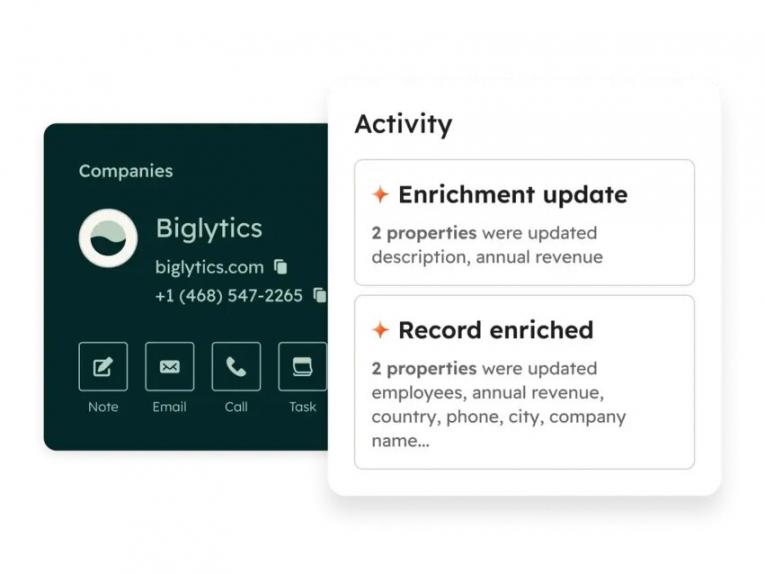
Image via HubSpot
2. Build a Target List and Start Conversations
Use your customer profile to list specific companies and people. Then, reach out with a clear and personal message.
Explain why you're contacting them and how you may be able to help.
Avoid long pitches or claims you can’t support. Every message should sound like an expert offering value.
Gartner's 2026 B2B buyer survey found that 67% of buyers prefer a rep-free experience. This shows buyers prefer more self-directed journeys. A founder can still add value when buyers need context, reassurance, or answers to complex questions.
Ask investors and early customers to introduce you directly to potential buyers. If that fails, try proven lead generation strategies.
You can also use HubSpot's Prospecting Agent on the Starter plan to save time. It identifies good-fit companies using real-world triggers, sources relevant contacts, and drafts personalized outreach emails using your CRM context and HubSpot Credits.
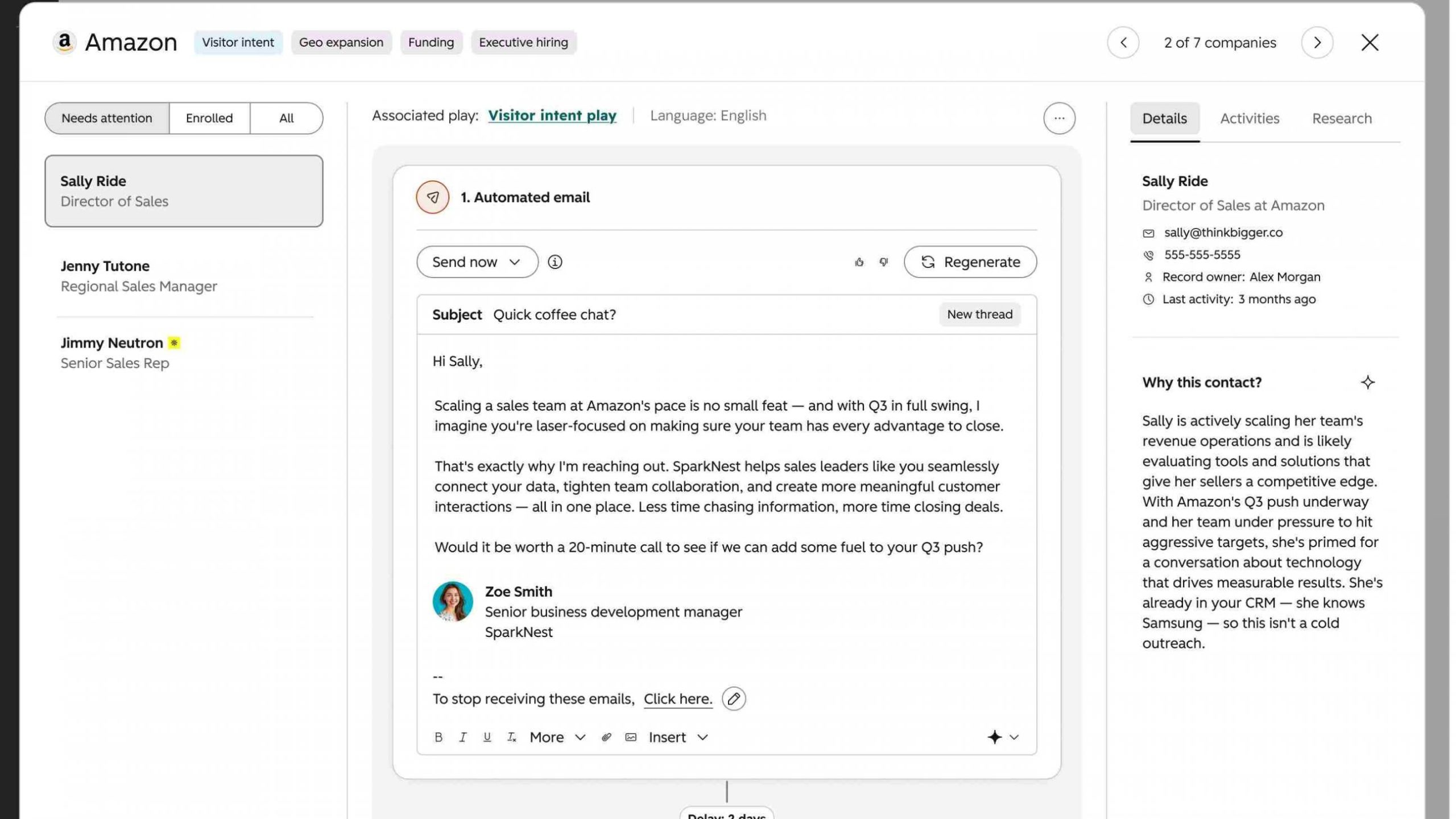
Image via HubSpot
Check the early drafts yourself, just as you would with other AI prospecting tools. Each suggested lead uses credits, which are units your plan gives you each month.
3. Run Discovery Calls That Teach You Something
When a prospect shows interest, arrange a discovery call. This is a chance to learn about their needs before you pitch your product. Ask about their struggles, current solutions, decision-makers, and costs.
Their answers can tell you whether your product fits their needs. It also helps you decide how to proceed with your founder-led sales strategy.
To narrow your focus, follow these targeted steps:
- Prepare: Read their website and recent news, and write down questions you still have.
- Ask: Start with their problem and ask them to share a recent example.
- Listen: Let the buyer do most of the talking and jot down their exact words.
- Record: Log the problem, objection, and next step in your CRM software that day.
HubSpot Notetaker is available on eligible Starter plans and can record, transcribe, summarize, and log meetings in your CRM. The tool records, transcribes, summarizes, and logs meetings in your CRM.
Every plan also includes Breeze Assistant, which can help you prepare for meetings. Connect your calendar and use Breeze Assistant to prepare meeting summaries from recent CRM activity and customer history.
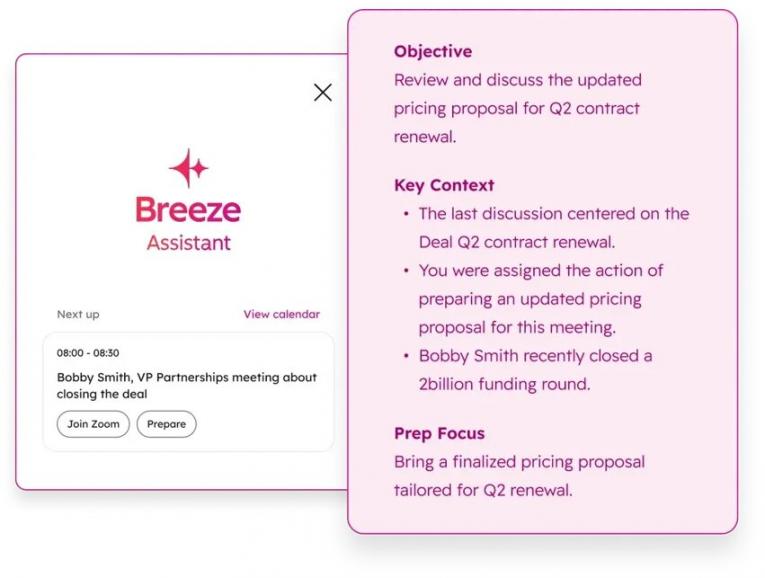
Image via HubSpot
Gartner’s 2026 research found that AI saves sellers an average of 4.8 hours a week, yet 72% of sales organizations report low reinvestment of that time into high-value sales activities.
What should you do instead? Choose sales productivity tools that reduce admin work and spend those saved hours talking to buyers.
4. Track Every Deal on One Pipeline Board
Sales conversations can become hard to track. You may forget who needs a reply or which prospect wants another call. A sales pipeline helps you see every stage, from the first call to a signed contract.
Set a clear rule for moving deals forward and record why you lose a deal. Clear stages and rules help you build a sales pipeline your first rep can use.
Here are valuable tips to follow in your founder-led sales approach:
- Keep the number of stages limited and link them to buyer decisions
- Set one rule for leaving each stage, such as “budget confirmed”
- Use a short, fixed list of lost reasons to spot common patterns
HubSpot Sales Hub includes a Deal Board for moving deals between stages in every plan. Starter adds up to 15 custom pipelines and simple stage-based automations, such as creating tasks when deals move. For example, you can set the CRM to create a task automatically.
However, a deal board only helps when you update it after each call. This habit is key to effective sales pipeline management.
Once you've added your deals, track these five metrics:
| Metric | How to Measure It | Signs Your Process Works |
|---|---|---|
| Win Rate | Deals won divided by deals with a decision | Stays steady each month for one buyer type |
| Sales Cycle Length | Days from first call to signed contract | Similar deals take about the same time |
| Visible Pipeline | Open deals and their current stages | Enough qualified pipeline to support your next-month sales target |
| Average Deal Size | Total value of wins divided by deals won | Average deal size stays consistent for the same buyer type |
| Loss Reasons | Record the reason for every lost deal | The same few reasons keep appearing |
The deal board below groups open deals by stage:
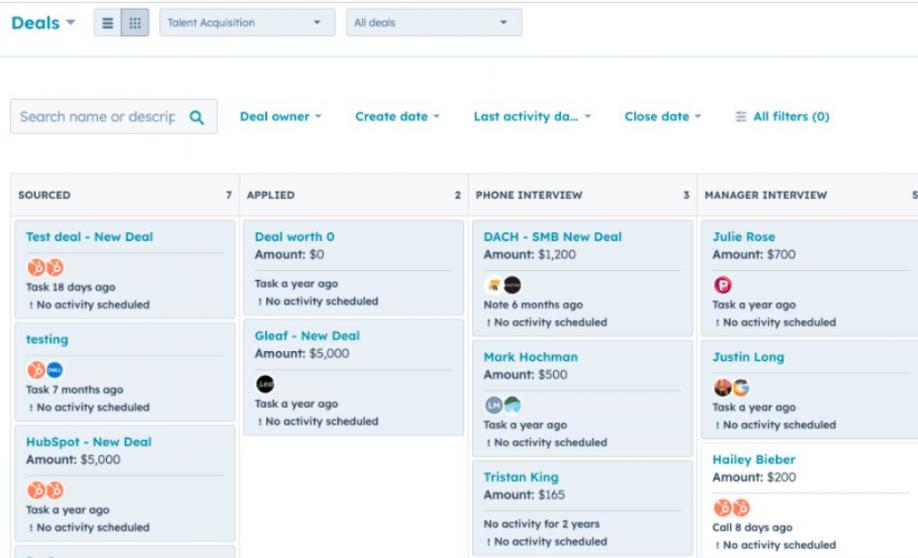
Image via HubSpot
5. Write the Playbook While You Sell
As you close deals, record what helps you win them. Your first sales playbook helps future reps repeat your success. It’s how you hand off founder-led sales smoothly.
Keep your playbook short enough to read in one sitting.
Write down the questions that get buyers talking. Add common objections and the answers that work best, too. Also note where each lesson comes from.
Update your playbook as you learn. Later, use it to support your sales enablement strategy and train new reps.
Use this table to plan each section and track its source:
| Playbook Section | What to Include | Where to Find It |
|---|---|---|
| Who You Sell To | Company type, buying trigger, and buyer’s job title | Your first customer profile |
| Discovery Questions | Questions that surfaced real problems | Call notes |
| Objections and Answers | Each concern and the reply that worked | Lost deals and call notes |
| Pricing and Discount Rules | List price, discount limits, and who approves | Proposals and won deals |
| Win and Loss Notes | Why each deal closed or stalled | Won-deal notes, lost reasons, and call notes |
| Call Recordings (with permission) | Your best calls, grouped by topic | Your call recorder |
When the playbook explains your recent wins, you can plan the sales hand-off.
Start by defining your ideal customers, build a target list, and talk to them. Then track every deal, learn from each conversation, and record what works. As your sales process improves, use your playbook and helpful tools to prepare for growth.
How Do You Transition From Founder-Led Sales?
Moving beyond founder-led sales means handing over a repeatable sales process. It involves completing your playbook, hiring the right reps, and coaching them through real deals. Start small, and remain involved in important deals while your team learns.
Here are five steps to transition from founder-led sales without losing your process:
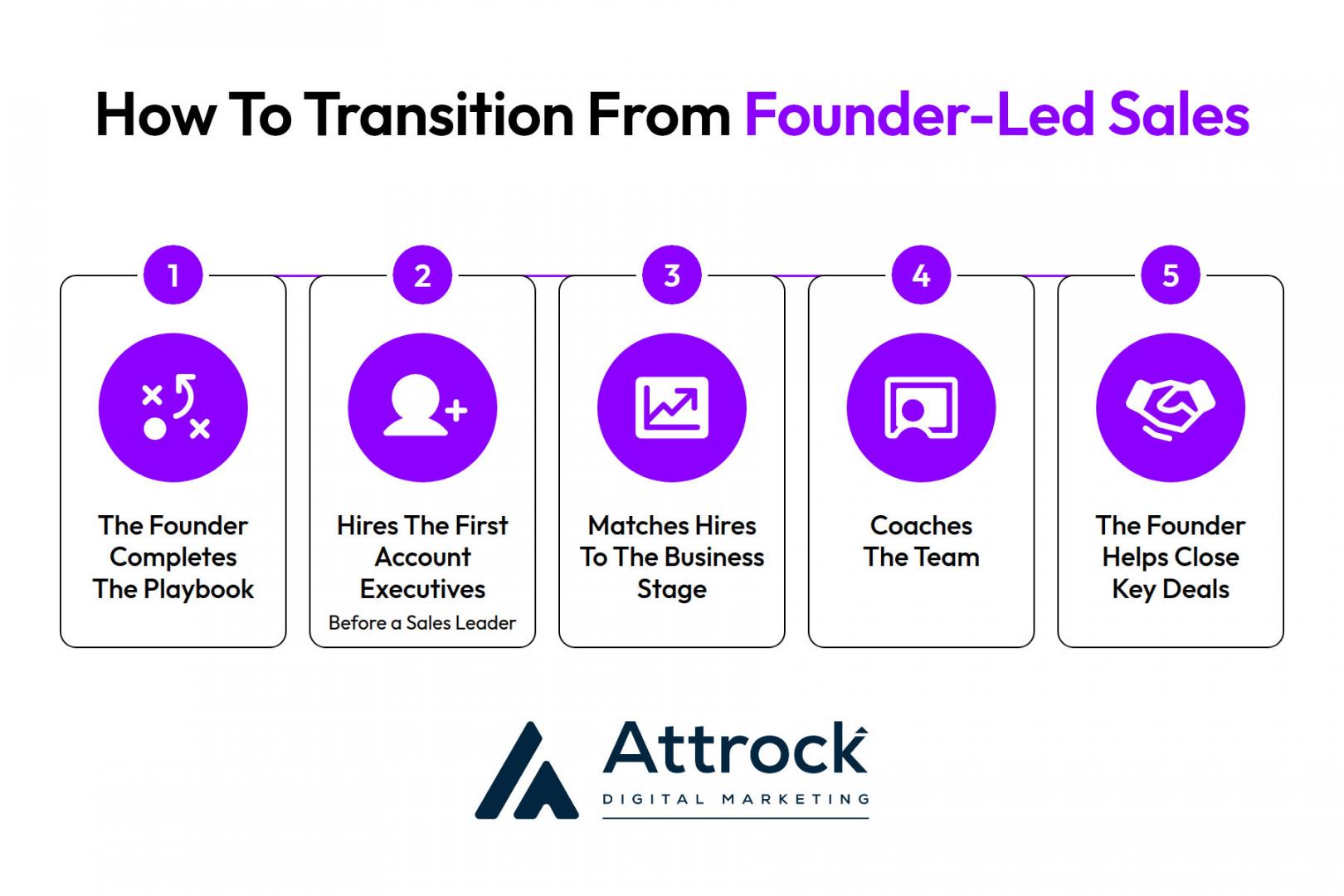
- Complete Your Sales Playbook: Make sure it explains who buys, why they buy, and how deals close. Add real examples to give new hires a better idea of what works. Reps should be able to follow it without asking you for help.
- Hire Two Reps Before a Sales Leader: Consider Hiring Two Reps Before a Sales Leader: Two reps can help you compare results and spot patterns before adding management. Give both of them clear targets, sales coaching, and support. Later, you can add a sales leader when the team needs stronger management.
- Match the Hire to Your Stage: A founding account executive helps shape a playbook that's still taking form. An experienced one follows a proven process. Decide whether you need someone to sell, build a process, or manage a team.
- Coach Your Reps: Let new reps watch you handle sales calls first. Then review their calls and give feedback on their questions, tone, and next steps. The Bridge Group’s 2026 survey found that B2B account executives take an average of 6.2 months to reach full productivity.
- Help Reps Close Major Deals: You don’t have to step away from founder-led sales right away. Keep a hand in your largest accounts and help close key deals. Join meetings, share advice, and help with difficult choices.
Compare these four first-hire options to see which one fits your startup's stage.
| Role | When to Hire | Main Responsibilities | Main Risk |
|---|---|---|---|
| Founding Account Executive | Your sales process is still taking shape | Closing deals and improving the playbook | Needs plenty of your time |
| Experienced Account Executive (hire two) | Your playbook wins deals, and you need more selling capacity | Running the proven process and closing deals at scale | May struggle without written steps |
| Head of Sales or First Sales Manager | You have multiple reps and coaching, forecasting, or deal management is becoming too much for the founder | Hiring, coaching, and sales forecasting | May have no team to lead if hired too soon |
| VP of Sales | You have a repeatable process and need a wider growth plan | Setting sales strategies, building the team, and driving growth | Costs more before the process works |
For many small businesses, a founding account executive is a practical first step. They can sell while helping you improve the process. Add management roles when your team and sales needs justify them.
Choose a CRM for startups that your whole team can use. It keeps each account's deal history in one place.
Start by completing your sales playbook and hiring team members who fit your business stage. Then train reps and help them close important deals as they build their skills.
FAQ
Q1. What does founder-led sales mean?
A. Founder-led sales means you personally pitch and close deals for your startup as the owner. Instead of hiring reps immediately, you sell to your first customers. This approach helps you understand buyer needs and create a sales process that wins deals.
Q2. Are founder-led companies more successful?
A. Not necessarily. Founder-led companies and founder-led sales are different concepts, and there isn’t a simple rule that one model is more successful. Founder-led sales is mainly useful for learning from early buyers and refining your sales process.
Q3. Is there a revenue number that ends founder-led sales?
A. No fixed revenue target marks the end of founder-led sales. The right time depends on your sales volume, budget, and ability to repeat successful deals. Consider hiring when you have a clear process and enough demand to support a team.
Q4. Should you hire a sales manager or rep first?
A. In many startups, it makes sense to hire sales reps before a manager. Add a sales leader when coaching, forecasting, and managing deals become too much for the founder. A manager needs people to lead and a working process. Early on, you may have neither. Start with experienced reps who can follow your written playbook. Once they meet their targets, you can hire a manager to help them grow.
Q5. What tools does a founder need to sell?
A. Start with a CRM to track contacts, deals, and follow-ups. You may also need tools for prospecting, email outreach, meeting notes, and sales reports. HubSpot brings many of these tasks together, helping you manage your sales process in one place.
Q6. Can AI help with founder-led sales?
A. Yes. AI can help you research prospects, prepare for calls, summarize meetings, and draft follow-ups. This gives you more time to talk with buyers and close deals. Gartner's 2026 survey found that salespeople save an average of 4.8 hours weekly with AI.
Q7. Do founders ever stop selling completely?
A. Some founders step away from day-to-day selling, while others stay involved in major accounts and strategic deals as the team grows. Once your reps follow the playbook, you can stop handling every deal. Instead, coach your team and step in to help close your biggest accounts.
Q8. Can a first-time or technical founder do founder-led sales?
A. Yes. You don't need years of sales experience to start founder-led sales. Curiosity, active listening, and a willingness to improve your approach can help you learn quickly. Ask buyers about their problems and how they solve them. Then explain how your product helps and learn from each conversation to build a working process.
Ready To Run Founder-Led Sales?
Founder-led sales helps you learn what buyers need, build trust, and create a repeatable playbook. Start small, track each deal, and improve your approach with every conversation.
Pick one buyer type and book five discovery calls this week. Ask about their problems, listen to their answers, and record what you learn. Use those lessons to improve your startup sales approach.
HubSpot helps you manage prospecting, sales pipelines, meeting notes, and outreach in one place. You can start with its free tools, then upgrade to the Starter plan as your business grows.
Need help finding your first potential buyers? Explore Attrock’s lead generation services.
Disclaimer: This content contains some affiliate links for which we will earn a commission (at no additional cost to you). This helps us keep creating free content for you.