- Small business management helps you run a profitable business and overcome common problems.
- Track five main areas: money, people, daily operations, customers, and risks.
- Daily routines and automation keep your workspace organized and save you hours every week.
- Focus on a few key numbers instead of dozens to protect your finances and track progress.
- Choose tools that handle routine work and help your business run smoothly.
Small business management means planning, organizing, leading, and running every part of your company. You handle money, staff, daily tasks, customer relationships, and risks.
Unlike large companies, small businesses rarely have separate teams for each job. As the founder, you often manage most areas yourself. Without a clear plan, you may struggle to track costs, meet customer needs, or grow your business.
So, where do you start? Small business management helps you create smooth, repeatable systems. Your operations run smoothly, even when you step away.
In this guide, you’ll learn the key parts of small business management. We’ll also share practical strategies, tools, and steps to help you grow.
Disclaimer: This content contains some affiliate links for which we will earn a commission (at no additional cost to you). This is to ensure that we can keep creating free content for you.
Table of Contents
What is Small Business Management?
Small business management means running all parts of your company to achieve your goals. These include money, employees, daily tasks, customers, and risks. The goal is to keep your business running smoothly while supporting steady growth.
Most small businesses and startups often lack separate teams for each area. So, as a founder, you handle several roles at once. You may need to find customers, track sales, pay bills, and lead your team.
Juggling these tasks can get hard without a clear plan. The Federal Reserve's 2025 report found that 75% of small companies faced rising costs. Another 57% had trouble finding customers and growing sales.
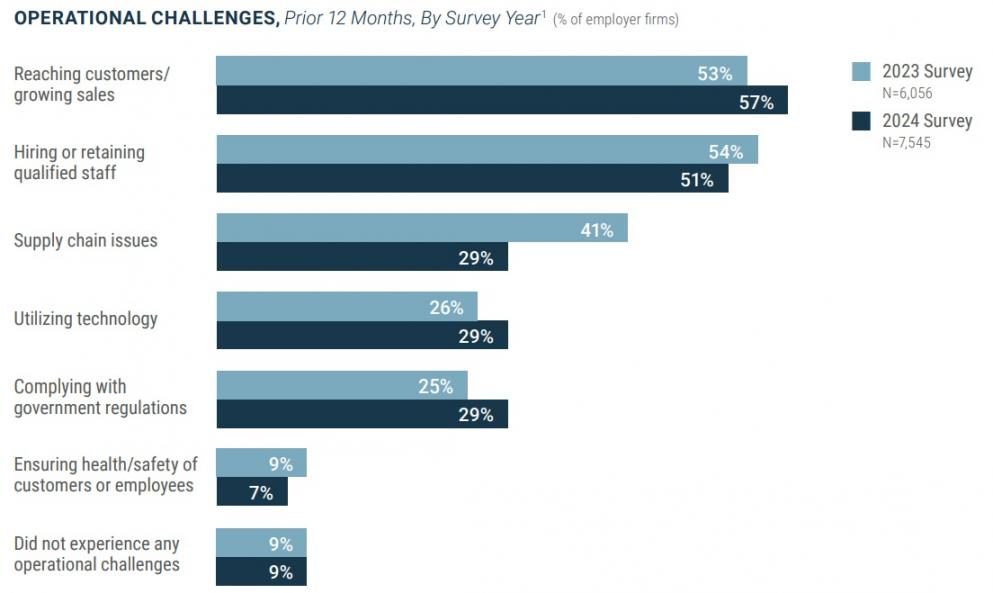
Image via The Federal Reserve
Small business management helps you organize this work. You can set goals, assign tasks, track spending, and review results. The right tools can also help you automate manual work and save time.
For example, HubSpot Starter brings sales, marketing, and customer service tools together. Its Smart CRM gives you a shared view of customer details and interactions. Its central homepage dashboard also helps you track meetings, tasks, and follow-ups.
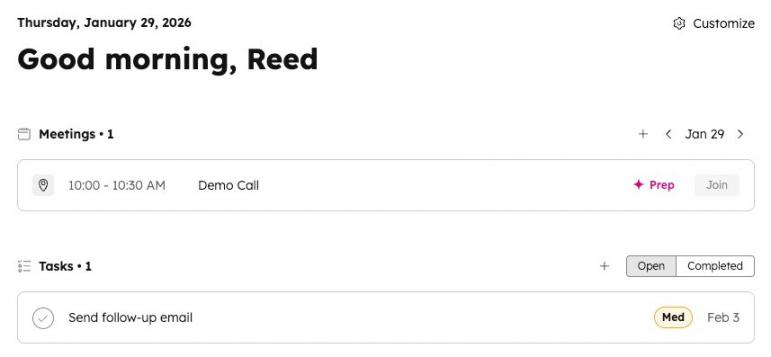
Image via HubSpot
Small business management means keeping every part of your business working toward shared goals. It helps you control costs, support your team, serve customers, and plan for growth. With clear systems and useful tools, you can save time and grow your company.
What Are The Five Key Areas Of Small Business Management?
Small business management covers five areas: money, people, operations, customers, and risk. Each area connects to the next and determines how well your business runs. For example, poor cash flow can affect staff payments and daily operations.
Here's a quick look at each area and what happens if you skip it:
| Area | What It Covers | What Happens When You Neglect It |
|---|---|---|
| Money | Cash flow, pricing, invoices, bookkeeping, and taxes | You run out of cash, lose profits, and face debts |
| People | Hiring, training, payroll, roles, and delegation | Performance goes down and staff leaves |
| Operations | Workflows, suppliers, stock, schedules, and tools | You face delays and errors increase |
| Customers | Acquisition, marketing, customer service, loyalty, and feedback | You keep replacing customers instead of growing |
| Risk | Licenses, legal rules, contracts, data privacy, and insurance | You face fines, losses, or sudden shutdown |
1. Money
Financial management for small businesses means keeping enough cash to run your company. It also means setting fair prices and sending invoices on time. Keep your books up to date, too, as clean records help you make better choices.
Small business management matters especially because profit and cash flow aren’t the same. Your company may earn a profit but still lack cash. Without enough money to cover recurring bills, you can run into trouble.
Money issues remain a huge test for small business owners. The Federal Reserve's 2025 report found that 56% struggled with operating expenses. Another 51% reported uneven cash flow.
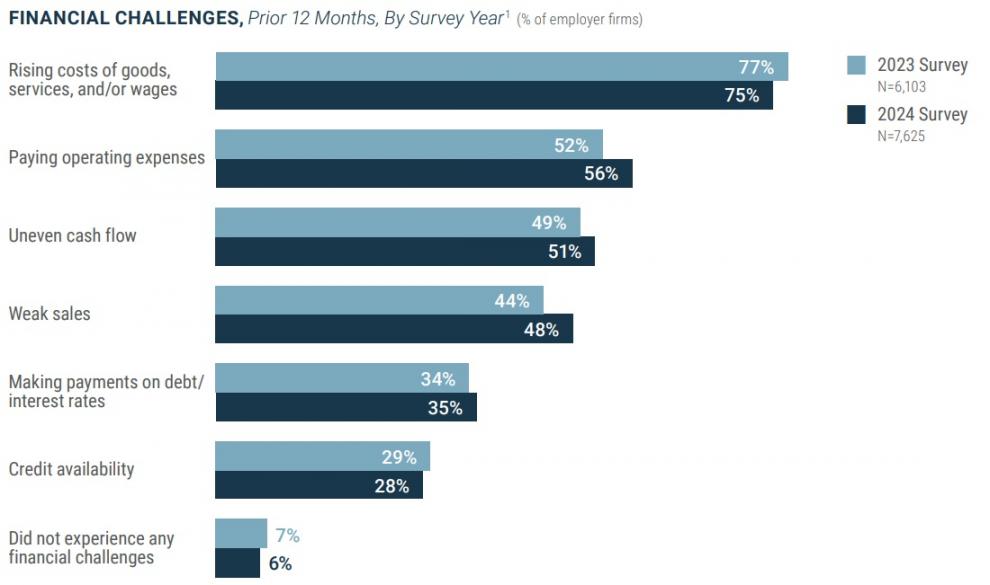
Image via The Federal Reserve
To avoid these issues, list your expected sales, costs, wages, rent, and other expenses. Compare your actual results with your budget each month. This helps you spot rising costs and weak sales.
You should also:
- Record all money coming in and going out
- Set aside money for taxes and other planned costs
- Review unpaid invoices and follow up with late customers
- Check your profit margins before changing prices
- Keep an emergency fund for unexpected expenses
- Compare supplier prices without lowering product quality
If you run a SaaS company, subscription management software can help you manage payments. Bill customers as soon as the subscription expires. Then, follow a regular schedule for payment reminders.
2. People
Managing people means hiring, training, paying, and guiding your team. It also means sharing the workload so you don’t burn out. Good small business management skills help you lead your team and grow your company.
You need to set priorities, delegate work, and share feedback. Each person should know what they need to do. They should also understand how their work supports your business goals.
Even so, delegation means more than handing someone a task. You should also explain what they can decide on their own. Otherwise, every small question comes back to you.
Keep an eye on how your team works, too. Check the quality of their work, deadlines, customer feedback, and results. This helps you see where they may need more training.
3. Operations
Operations cover the daily work that keeps your small business running. This includes production, suppliers, stock, schedules, automation workflows, and business tools. Make sure people can complete tasks without waiting for you.
Things can go wrong when people don't have clear steps to follow. Someone may forget a task, make a mistake, or repeat work another person has done.
Small business management helps you create a clear process for each regular task. Write down the steps and assign someone to manage them. This gives your team a clear and consistent path to follow.
You should also review your processes often. A system that works for ten customers may fail with 100. So, improve it as you scale your small business.
4. Customer Management
Small business management helps you attract customers and keep them coming back. Otherwise, you may spend time replacing lost buyers instead of growing. Practical lead generation strategies can help you attract qualified prospects.
Providing great customer service matters, too. Here are a few small business management tips to help you improve customer experience:
- Keep your prices, product details, and payment steps clear
- Answer questions and solve issues quickly
- Use customer surveys, reviews, and direct chats to collect and act on feedback
- Follow up after a sale, share useful updates, and reward loyal customers
By keeping buyers happy, you can improve customer retention and build lasting relationships. Over time, loyal customers can support steady business growth.
If you handle sales and marketing yourself, tools like HubSpot CRM can make this work easier. Its connected tools help you track leads, follow up, and manage customer interactions.
5. Risk and Compliance Management
Risk management means protecting your small business from problems. These may include theft, data loss, late payments, staff injuries, or legal problems.
You should also understand laws that apply to your business. The most common ones cover taxes, licenses, employment, data privacy, and product safety. Requirements vary by country and industry, so check with the right local authorities.
You don't need to spend a lot on every risk. Instead, identify the biggest threats and find simple ways to manage them. This small business management tactic helps you protect your company without wasting money.
The Identity Theft Resource Center surveyed 662 small business owners in 2025. It found that 81% of small businesses faced a security or data breach. About 36.7% of breached companies lost more than $500,000.

Image via The Identity Theft Resource Center
These findings show why you need strong security measures. Use strong passwords and limit access to key records. Also, train staff on safety and customer data rules.
The five core areas are money, people, operations, customers, and risk. Each one supports a different part of your business. Managing these areas together helps you protect revenue and grow your brand.
How Do You Manage A Small Business Day-to-Day?
Good small business management starts with clear priorities and consistent habits. Set a daily routine, group similar work, and automate repetitive jobs. Also, check your money, customers, and team goals each month.
Here's how to organize your small business management routine:
1. Establish a Daily Opening and Closing Routine
Start each morning by checking your business priorities. Spend the first 10 minutes looking at your calendar, tasks, messages, and sales activity. Identify anything that needs your attention and any tasks that have stalled.
Here’s what to include in your morning small business management checklist:
- Review meetings, calls, and important deadlines
- Check new inquiries and follow up with generated leads
- Scan through customer requests for complaints, questions, and pending orders
- Check your bank balance and expected payments
- Move urgent tasks to the top of your list
- Choose three important tasks to complete and keep them realistic
At the end of the day, review what you achieved. Check unfinished tasks and move them to the next day.
HubSpot Starter brings daily tasks into one central homepage. You can check meetings, assigned tasks, follow-ups, and items that need attention.

Image via HubSpot
You can also use Breeze Assistant to draft personalized follow-up emails and prepare for meetings.
2. Prioritize and Batch Your Tasks
You probably have more tasks than you can finish in one day. That's why you need to decide what matters most. Start by separating urgent work from tasks that support long-term growth.
A simple priority system can help with small business management:
- High Priority: Handle tasks that affect customers, cash, or deadlines first
- Medium Priority: Set a time for important work that supports your goals
- Low Priority: Schedule tasks that can wait without causing losses or delays for quieter periods
Next, group similar tasks into blocks. This is called task batching. It helps you save time and avoid switching between unrelated jobs all day.
For example, you could handle invoices, payments, and expense records together. You can also plan social media marketing posts in one focused session.
3. Automate Repetitive Tasks
Small business automation handles repetitive administrative tasks that take hours or days. These include sending reminders, scoring leads, updating records, and booking meetings. You set rules once, then let your software handle routine steps.
A workflow automation tool can:
- Send payment reminders before and after invoice due dates
- Create and send invoices
- Send appointment reminders before meetings
- Record new leads and assign follow-up tasks
- Send welcome emails or updates after specific customer actions
Start by automating one process that takes too much time. Then test it and check whether it works as expected before adding more tasks.
The Small Firms Association's 2025 survey found that nine out of ten surveyed firms used AI. Around 66% used it to automate simple tasks. Another 44% used it for data analysis and reporting.
HubSpot’s Starter plan includes an AI Notetaker. It can join meetings, summarize notes, and suggest follow-ups. Breeze Assistant pulls data directly from your CRM and automates tasks across customer service, marketing, and sales.
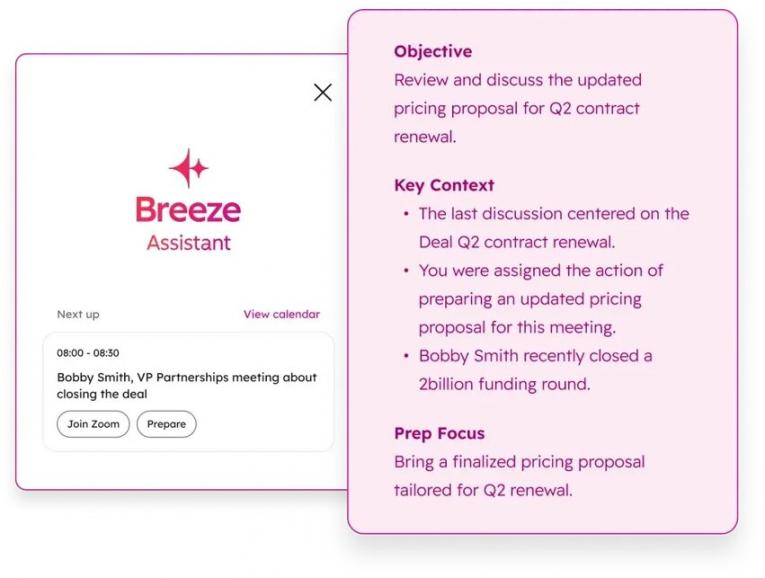
Image via HubSpot
Always check important facts, figures, and customer messages. Keep a person involved in decisions that need human judgment.
4. Run a Weekly Operating Review
A weekly review helps you see how your business performs. It also gives you time to fix problems before they affect sales or customer retention.
Set aside 30 to 60 minutes each week. Use this time to review your work and plan ahead. You can follow this small business management checklist:
- Assess Your Sales: Check how many generated leads became paying customers. Compare the results with your sales goals.
- Check Your Cash Flow: Review payments, bills, and expected income. Follow up on overdue invoices.
- Review Open Tasks: Find unfinished work and check for delays. Give each task a clear owner and deadline.
- Check Customer Issues: Look at complaints, questions, and recent buyer feedback. Decide what needs quick attention.
Write down any problems you find. Assign each one to someone who can fix it. Then set a deadline and review progress the next week.
5. Review Your Money and Customers Each Month
Daily and weekly reviews matter, but monthly reviews help you see the bigger picture. They tell you whether you earn enough to cover costs. You can also spot customer churn and retention trends.
Set a fixed date for this review and use the same reports each month. This makes it easier to compare results over time.
Here’s what to check:
- Compare Income and Costs: Check how much money came in and went out. Look for changes that need your attention.
- Review Your Profit: Check whether sales bring enough money after costs. Find products or services with weak margins.
- Check Unpaid Invoices: List customers with overdue payments. Follow up and review your payment terms.
- Track New Customers: Count how many new buyers you gained. Compare this with the previous month.
- Measure Repeat Sales: Find out how many customers bought again. Look for ways to build stronger customer ties.
- Review Customer Feedback: Read reviews, complaints, and customer survey replies. Use common concerns to improve your service.
Proper small business management begins with simple routines and clear work systems. Plan your tasks, automate repetitive tasks, and review your results weekly. Then use monthly reviews to guide decisions and improvement plans.
What Should You Measure, and How Often?
Start with six key metrics. They include cash buffer, gross margin, revenue concentration, overdue receivables, customer retention, and customer acquisition cost. These metrics show whether your business can cover costs, earn profits, and keep customers.
Here's what each small business management metric tells you and how to calculate it:
| Metric | What It Tells You | How to Calculate It | How Often to Measure |
|---|---|---|---|
| Cash Buffer | How long your business can cover costs without new income | Available cash ÷ average daily expenses | Weekly |
| Gross Margin | How much money remains after direct costs | (Revenue − cost of goods sold) ÷ revenue × 100. | Monthly |
| Revenue Concentration | How much revenue depends on one customer | Revenue from largest customer ÷ total revenue × 100 | Monthly |
| Overdue Receivables | How much money customers still owe you | Add all unpaid invoices past their due dates | Weekly |
| Customer retention | How well your business keeps existing customers. | (Customers at period end − new customers) ÷ customers at period start × 100 | Monthly or quarterly |
| Customer acquisition cost | How much you spend to gain each new customer | Total sales and marketing costs ÷ new customers gained. | Monthly |
Use the same time periods when comparing these figures. For example, compare monthly revenue with monthly costs. Also, look at changes over time rather than judging one result alone.
Effective small business management means using data analysis to make better choices. Don't just track a number just because it looks good on a report. Ask yourself how it can help you decide what to do next.
For instance, rising overdue receivables can tell you when to send payment reminders. Similarly, a falling gross margin may signal it’s time to raise prices.
Check cash buffer, gross margin, revenue concentration, overdue receivables, retention, and acquisition cost. Review cash and unpaid invoices weekly. Then check profit and customer trends monthly to guide your next business decisions.
FAQ
Q1. What is small business management?
A. Small business management means planning and running all parts of your company. These include finances, employees, daily tasks, customers, and risks. Good management helps you build a repeatable process that supports business growth.
Q2. What do small business managers do all day?
A. Small business managers handle different tasks throughout the day. They check cash flow, follow up on unpaid bills, and solve work problems. They also help customers, guide employees, and track important deadlines.
Q3. What does managing a small business successfully take?
A. Successful small business management requires a clear routine and the right metrics. You should also learn to automate and delegate tasks as your team grows. Tracking your results often and listening to customer feedback helps you fix problems early, too.
Q4. Do you need a degree to manage a small business?
A. No, you don't need a degree to run a small business. You can learn through experience and daily work. Even so, relevant courses and certificates can teach you useful skills. They can also help you understand basic small-business management concepts.
Q5. At what point are you no longer a small business?
A. In the U.S., the Small Business Administration uses industry-specific size standards. It generally defines a small business as an independent firm with fewer than 500 employees. Still, some industries use employee numbers, while others use yearly sales. Check your local rules before making business decisions.
Q6. What is the number one reason small businesses fail?
A. There isn't one proven reason why all small businesses fail. Common reasons include poor cash flow, rising costs, weak hiring, or low sales. Some business surveys show what owners struggle with most. But these results don't prove that one problem causes every business failure.
Q7. How can you tell if your small business is growing?
A. Look at revenue, profit, customer numbers, and repeat purchases. Also track cash flow and the cost of gaining customers, as growth shouldn’t depend on sales alone. Compare these numbers each month to gauge progress and guide small business management decisions.
Q8. What should a small business owner check every week?
A. Start by checking the money coming in and going out. Look for unpaid bills and overdue customer invoices. Then, review the tasks your team needs to finish. Find out what has stalled and who needs help. Add the review to your calendar and make it a regular habit.
Ready To Implement Small Business Management?
Small business management means keeping five key areas working together. These include money, people, operations, customers, and risk. You need to review them often and track a few useful numbers.
Start today by reviewing your cash flow and unpaid invoices. Then choose one repeat task you can automate.
Need help with your marketing? Talk to Attrock’s digital marketing consultant to get a personalized strategy.
You can also use HubSpot to manage customer records, marketing tasks, and sales activities. Start with its free tools and upgrade to Starter when your needs grow.
Disclaimer: This content contains some affiliate links for which we will earn a commission (at no additional cost to you). This is to ensure that we can keep creating free content for you.