- A startup marketing strategy helps founders attract the right customers, win trust, and increase sales.
- Set clear goals, learn what your customers need, and show how your product helps them.
- Focus on one or two channels first, then expand when you see what works.
- Make your website easy to find and understand for both visitors and search engines.
- Track the right metrics, from sign-ups to customer acquisition costs and retention.
A startup marketing strategy helps you reach the right customers and grow your business. It gives you a simple plan to attract early buyers, win their trust, and make sales.
As a founder, you need more than a great product to succeed. Without a clear plan, you may waste time on channels that reach few target customers. You might also struggle to see which efforts generate the most leads.
Slush surveyed 607 early-stage European startup founders in its 2025 Impact Report Series. Of these, 50% named customer acquisition as a main concern, while 52.8% cited revenue growth.
With the right approach, you can raise brand awareness and support steady growth. But where should you start, and which tactics deserve your attention?
I’ll walk you through the steps to build a startup marketing strategy that supports your goals and budget. You’ll also learn how to identify your audience, select the right channels, and track progress.
Disclaimer: This content contains some affiliate links for which we will earn a commission (at no additional cost to you). This helps us keep creating free content for you.
Table of Contents
What Is a Startup Marketing Strategy?
A startup marketing strategy is a written plan that helps you reach and win paying buyers. It shows you who to target, what to say, and where to promote your offer. It also helps you spend your time and money wisely.
Growing a startup or small business on a tight budget can be tricky. You may struggle to stand out from other brands or know which marketing tactics work.
In its March 2026 report, CB Insights reviewed 431 venture-backed startups that shut down since 2023. Among 385 cases with identified failure reasons, 43% cited poor product-market fit.
Running out of capital was the reason 70% of businesses closed down. However, it was the final result of deeper business problems, rather than the root cause of failure.
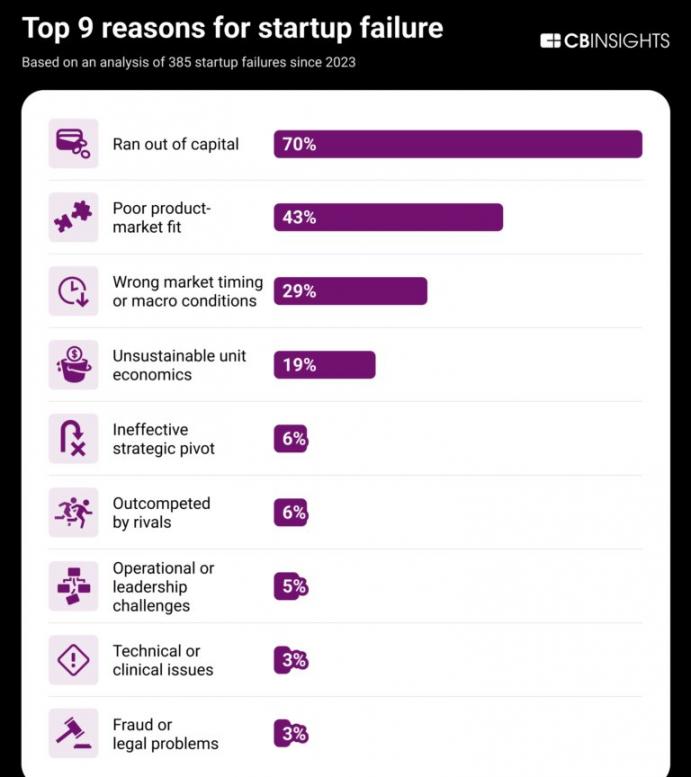
Image via CB Insights
A strong startup marketing strategy helps you test demand before you spend too many resources. You can also experiment with different ideas, learn from the results, and improve over time. The right tools make this work easier.
HubSpot Starter includes a Website Builder that lets you design forms and landing pages. Use them to explain your offer and collect sign-ups.
You can then test demand by sending targeted marketing emails to see how prospects respond. It’s a simple way to test your messaging and spot interested buyers.
It means having a clear plan to attract the right customers and turn interest into sales. You use it to choose your marketing methods, set goals, manage costs, and track growth. As your startup grows, you can adjust your plan based on what works.
How Do You Build a Startup Marketing Strategy?
You can create a startup marketing strategy in seven steps. First, set clear goals, define your ideal customer, and research your market.
Then, identify what makes you different, craft your message, and pick your first channel. Finally, create your content marketing campaign plan and decide how you'll measure success.
Follow these steps to create an effective startup marketing strategy:
1. Set Clear Goals You Can Afford
Start by deciding what you want your startup marketing strategy to achieve. You might want to generate more leads, sales, or even retain your first customers. Pick measurable goals, such as getting 50 qualified leads each month.
Then set a budget that protects your daily cash flow. Calculate the cost of marketing tools, ads, content, design, and more. Start small and spend more when your results support it.
Research backs the value of planning. Enji surveyed 245 small business owners in 2025. Those with a written marketing plan were 3x more likely to report strong marketing results. They were also 3x more likely to complete planned tasks.
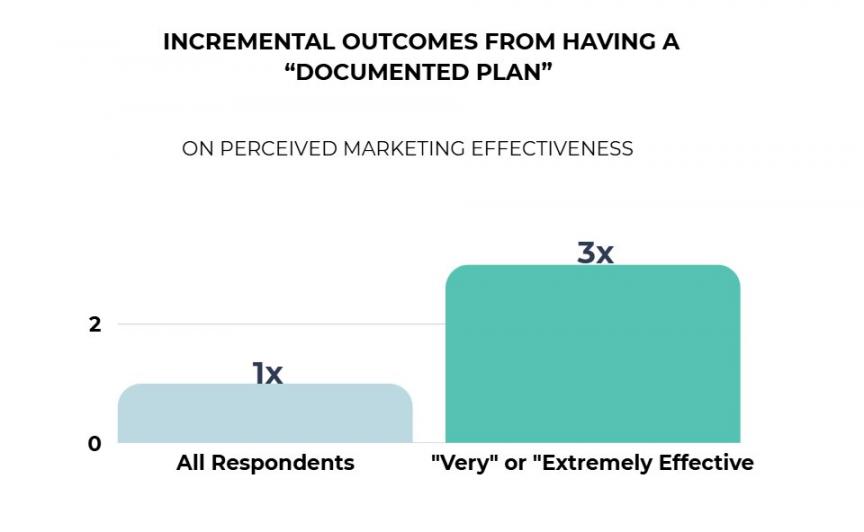
Image via Enji
These findings show the value of turning your startup marketing strategy into a clear, written action plan.
A connected tool can help you track everything in one place. For example, HubSpot CRM brings marketing, sales, and customer data together. With Starter, you can manage customer interactions and marketing activity in one place.
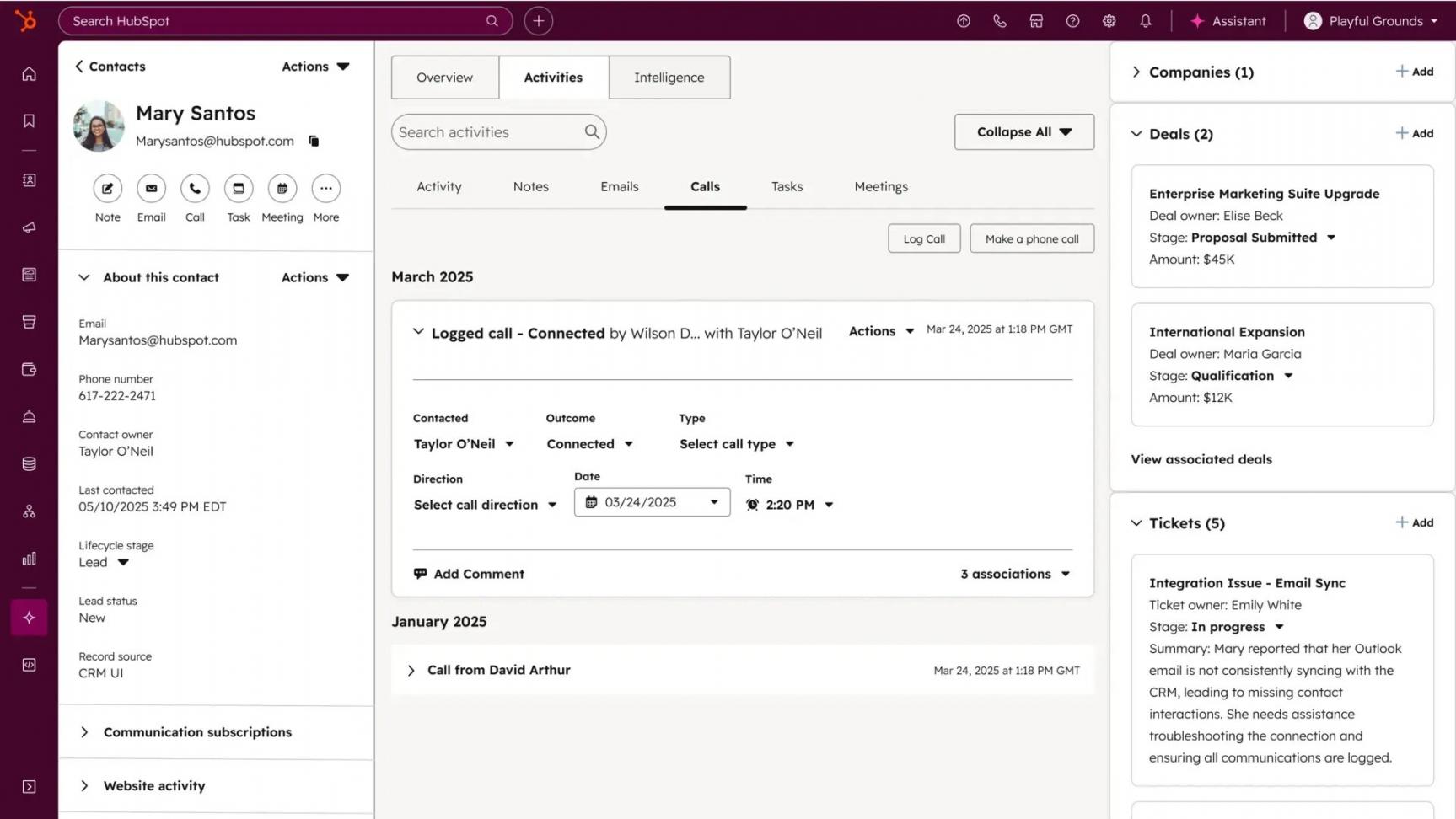
Image via HubSpot
2. Define Your Ideal Customer
Focus on the people most likely to need your product and pay for it. Think about the problem you solve and who struggles with it most.
Map out their budget, daily habits, and reasons for buying. If you sell to other businesses, look at a few extra details. These include industry, company size, job roles, and buying needs. Use these details to build an ideal customer profile (ICP).
You can also test whether your audience shows real interest. Create a simple offer and invite people to sign up or request details.
HubSpot’s Starter plan includes a Website Builder. It lets you create custom forms and collect contact details. You can also add questions about visitors’ needs, then review their answers to spot common interests.
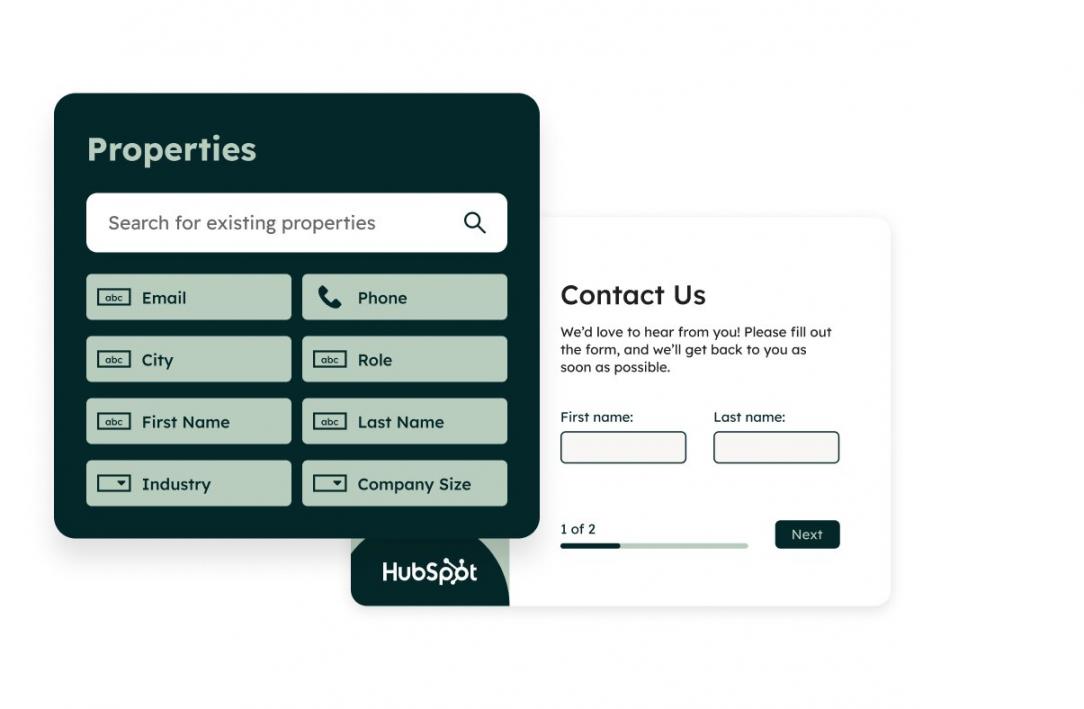
Image via HubSpot
3. Research Your Market and Competitors
Once you know your likely customer, learn how they shop. See how they compare options before buying, as well. This helps you find gaps and raise brand awareness.
Check customer reviews, online forums, search results, and competitor websites. Pay attention to what buyers complain about and what they praise. These details can help you craft a stronger offer.
Compare three to five competitors. Check their prices, promises, content, and customer feedback. See what they do well and where they fall short. Then, look for a useful way to stand apart.
This research helps you test demand before investing in a large content marketing campaign. It also helps you avoid building your startup marketing strategy around guesses.
You can use reliable tools to save time. HubSpot’s Breeze AI Assistant can summarize market research and extract competitor insights quickly. It helps you find open gaps in the market without spending days on manual research.
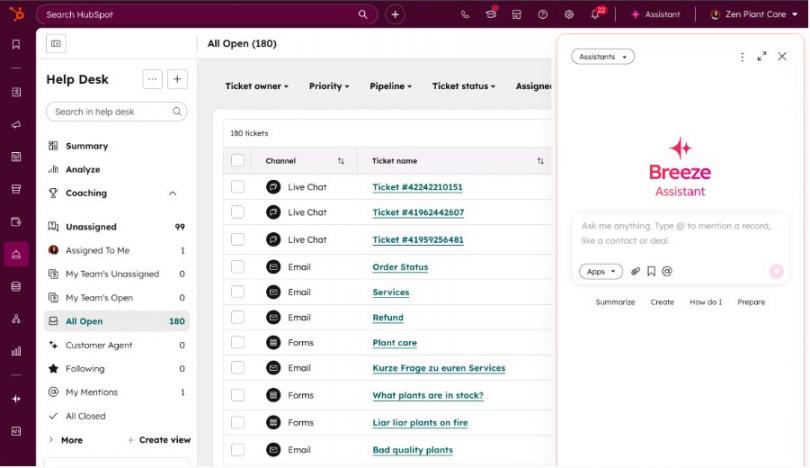
Image via HubSpot
4. Define Your Brand Positioning and Messaging
Your value proposition explains why shoppers should buy from you instead of someone else. Clear messaging then makes that value easy to grasp and remember.
Focus your message on customer needs. Share the problem you solve, who you help, and why your solution is better. Steer clear of vague claims that anyone could use in their own startup marketing strategy.
Follow these simple marketing tips to stand out from businesses with similar offers:
- Lead With The Problem: Show how your offer addresses a specific customer challenge. You can then explain the features that help solve it.
- Keep It Simple: Explain what you do in one or two clear sentences. Avoid jargon and claims that are hard to understand.
- Keep Your Message Consistent: Repeat your main core promise everywhere. This includes your website, emails, and social media posts.
- Use Your Customers’ Words: Reflect the terms buyers use when describing their problems.
Understanding customer pain points also helps you shape your messaging. Use them as part of your wider growth hacking strategy to attract the right audience.
For example, instead of saying, “We offer powerful project management software,” try this. “We help small teams cut manual tasks, meet deadlines, and lower costs.”
5. Choose the Right Marketing Channels
Build your startup marketing strategy around the platforms your buyers use daily. Start with one channel and give it enough time and effort. Track clicks, leads, sales, and buyer feedback.
Once you find what works, add another channel to your startup marketing strategy.
Here are some channels to consider for your startup marketing strategy:
- Email Marketing: Collect addresses using forms, landing pages, and popups on your website. Follow up with helpful advice, product updates, and special discounts.
- Social Media Marketing: Meet your audience on platforms like LinkedIn or Instagram. Post helpful content and talk directly with your followers.
- Content Marketing: Publish blog posts, guides, and videos that answer customer questions. This helps people find your business through traditional and AI search engines.
- Direct Outreach: Contact likely buyers with relevant messages through available channels. This often works well, especially if you sell to other businesses.
You can use HubSpot’s Prospecting Agent to find potential buyers and spot buying signals. It can also draft personalized outreach emails and send them automatically or after your review. Keep in mind that generating outreach messages uses HubSpot Credits.
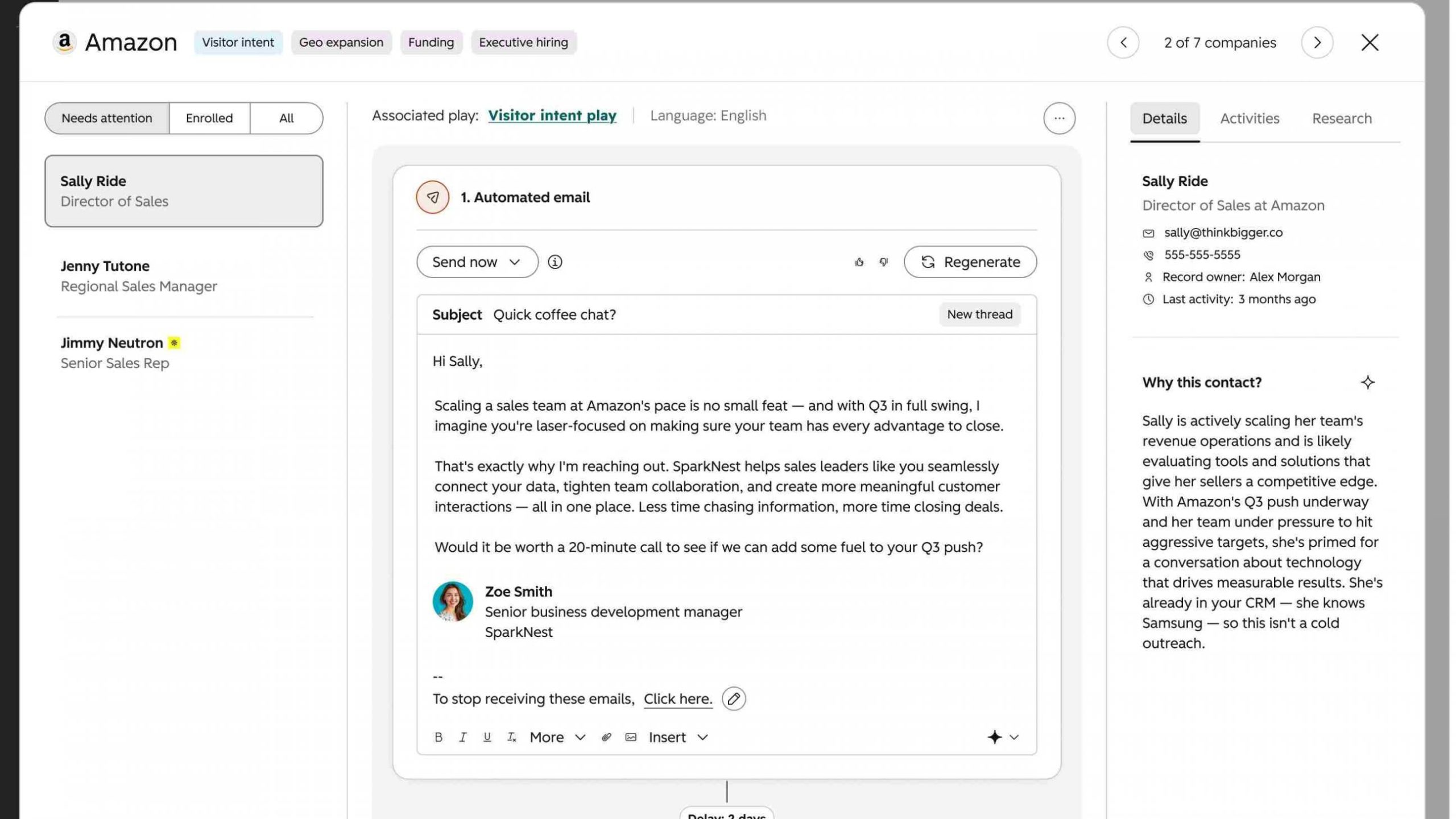
Image via HubSpot
HubSpot reports that customers using its Prospecting Agent generate 76% more quality leads. They also book 80% more meetings with prospects and achieve a 26% higher deal win rate.
You May Also Like:
- Top AI Email Marketing Tools to Scale Your Campaigns
- Email Marketing Tools Successful Brands Leverage
[related-links]
6. Create a Content and Campaign Plan
A content marketing plan helps you share helpful messages with potential customers on a steady schedule. Start with the main questions customers ask before they buy. Turn them into relevant blog posts, videos, emails, guides, or social posts.
Each piece should help your audience solve a problem or make a decision. Consistently sharing valuable content helps you attract and nurture leads over time.
Here’s how to plan a content campaign for your startup marketing strategy:
- Create a simple monthly calendar
- Choose a topic, format, channel, and goal for each item
- Then, set a date to publish it and check its results
HubSpot’s Website Builder on Starter can help you create landing pages for specific offers. You can use them to collect sign-ups or direct visitors toward a clear action.
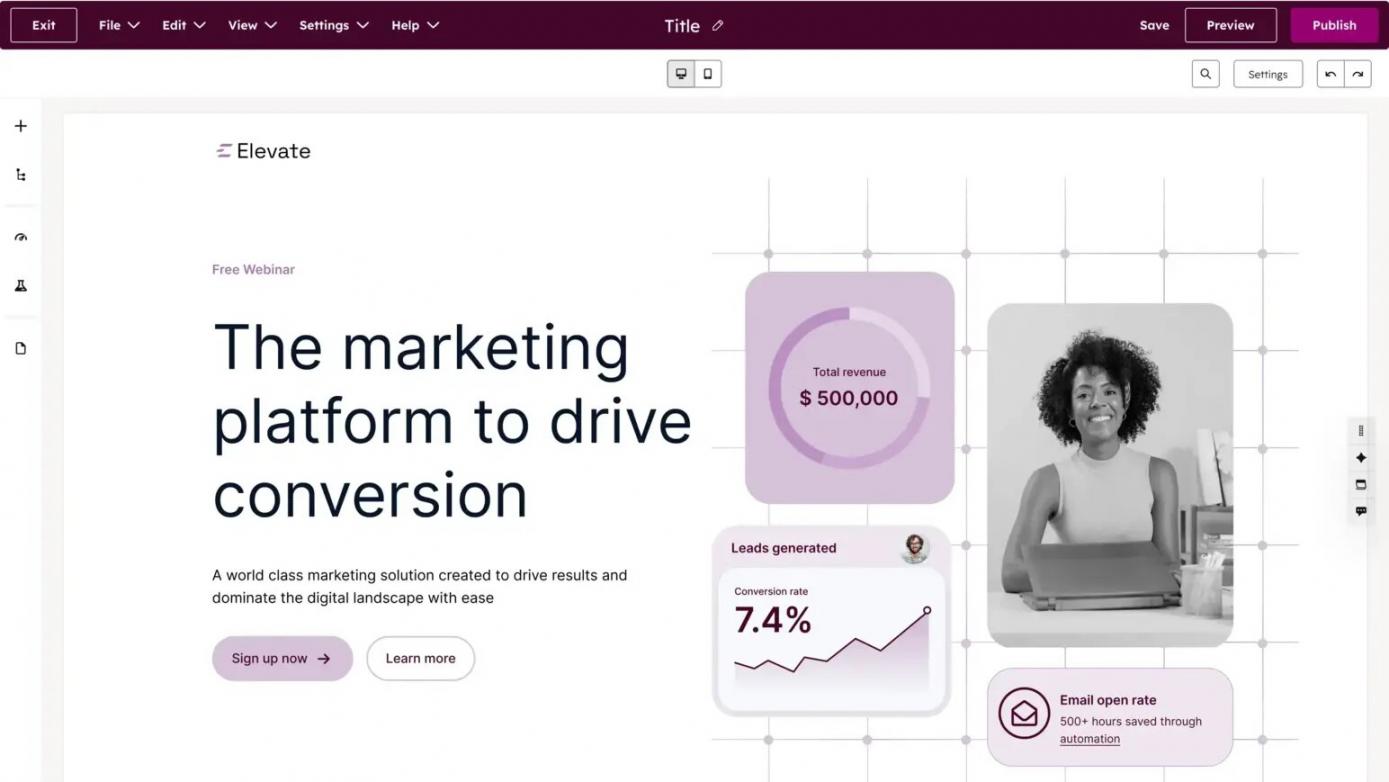
Image via HubSpot
Email Automation can then trigger engaging follow-up workflows for your new sign-ups.
7. Track Results and Improve Your Strategy
Your startup marketing strategy should improve as you learn more about your customers. Tracking results helps you see which efforts bring real value.
Here are useful metrics you can track to refine your startup marketing strategy:
- Website Traffic: The share of visitors who land on your site
- Lead Conversion Rate: Percentage of visitors that become leads
- Customer Acquisition Cost (CAC): How much you spend to gain a new customer
- Sales Conversion Rate: Share of generated leads that become paying customers
- Customer Retention: How effectively you keep customers over time
Start with a few marketing metrics tied to your main goal, like lead generation. A monthly review is often enough at the early stages. Set a date to check results, too.
Enji surveyed small business owners in 2025. Those who checked metrics once a month were 1.5x more likely to rate their marketing as effective.
Focus on the metrics that help you make better choices. Business owners who used data to guide decisions were 2.8x more likely to report marketing effectiveness.
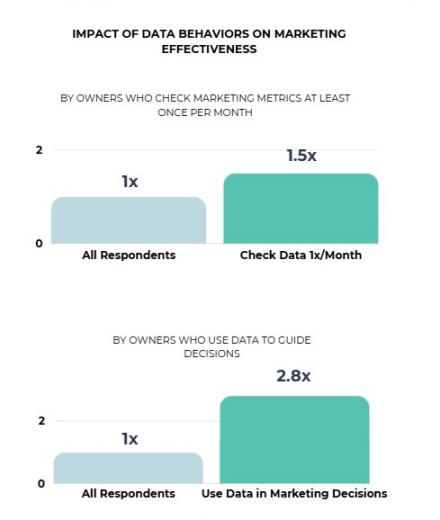
Image via Enji
A connected CRM makes tracking easier. HubSpot's Smart CRM brings customer details and interactions together, giving you a clearer view of your sales pipeline.
[att_info_box title="How Do I Create a Startup Marketing Strategy?"]
Start by setting clear goals, defining your ideal customer, and researching your market. Then, choose your message and one main marketing channel. Lastly, create a content plan and track results to improve your startup marketing strategy.[/att_info_box]
[related-links]
How Much Should a Startup Spend on Marketing?
There’s no fixed cost for a startup marketing strategy. Your budget depends on your goals, cash flow, and growth stage. Looking at revenue percentages won't help much if your startup has no sales yet.
Gartner's 2026 CMO Spend Survey puts marketing spend at 7.8% of company revenue. That's up from 7.7% in 2025. However, most respondents worked at companies earning over $1 billion a year. So, startups should treat this only as a broad benchmark.
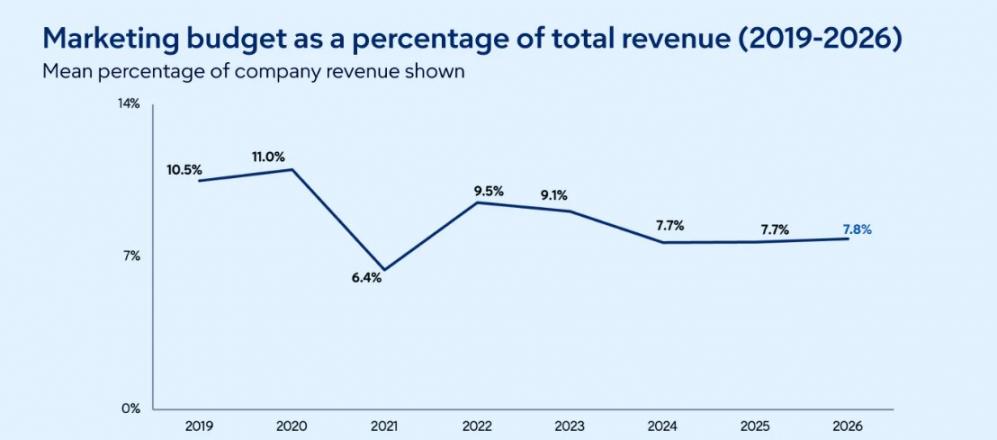
Image via Gartner
You can start with little or no money, then invest more as you gain customers and learn what works.
Marketing on a Pre-Revenue or Near-Zero Budget
If you have a tiny budget, look for low-cost ways to find customers. Try social media marketing, personal outreach, and customer referrals. These methods take time, but they can help you test your message before spending more.
Once revenue starts coming in, invest more in channels that show consistent results. Plan for ads, email marketing tools, SEO, AEO, and design.
Track each expense and compare it with the results. This helps you avoid spending money on channels that bring few leads or sales.
The table below breaks down startup marketing budgets by stage:
| Stage | Typical Marketing Costs | What Affects The Cost |
|---|---|---|
| Pre-Revenue | Mostly your time, with little cash spending | How many customer talks you can hold each week |
| Early Sales | One or two channels, plus basic marketing tools | How much you need to spend to get useful results |
| Post-Revenue Growth Stage | A share of revenue can guide your ads, lead generation, CRM, and content budget | How fast you gain paying customers and recover costs |
These are just starting points, not fixed rules. Create a budget you can afford for your startup business marketing strategy without risking daily cash flow.
You may also have to rely on manual processes at first. But when admin tasks start taking too much time, you can pay for cost-effective tools.
HubSpot Starter bundles forms, landing pages, AI assistants, and email automation tools. Its listed price is $20 per seat each month as of October 2026. New customers may also qualify for a limited-time discount.
Your startup marketing strategy can cost almost nothing at first. Start with free channels, test your ideas, and spend more when you see results. Keep your budget flexible and review it as your business grows.
How Should Startups Market for AI Search and Answer Engines?
To reach customers through AI search, make your startup easy to find and understand. Create answer-first content, add structured data, and earn mentions across trusted websites.
Adapting your startup marketing strategy for AI tools like ChatGPT can improve AI search visibility.
Pew Research Center's 2025 study found that users clicked traditional search results less often when a Google AI summary appeared. They clicked a traditional Google search result in only 8% of visits with an AI summary. Without one, that figure rose to 15%.
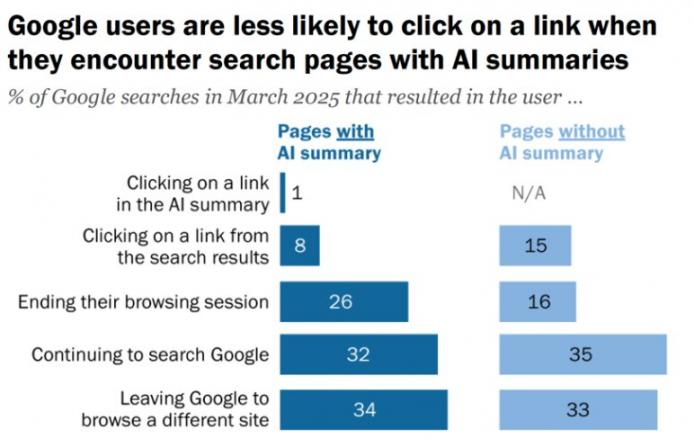
Image via Pew Research Center
These findings show why your startup needs to appear in AI-generated responses. Aim to share useful information that AI tools may reference in their answers.
Your startup content marketing strategy should include answer engine optimization. It involves writing clear answers, using structured data, analyzing citations, and earning third-party brand mentions. You can also review your technical setup and track your visibility over time.
Here are some tips to improve your brand’s visibility in AI search engines:
- Give the Answer First: Start each page with a short, direct response to the main question. This helps readers find what they need right away. It also gives AI answer engines a clear passage to use when forming summaries.
- Use a Clear Structure: Use clear headings that match real customer questions. Then add short paragraphs, lists, tables, and bullet points. A clear format helps both readers and AI engines find key details.
- Build Trust with Proof: Share real customer reviews, case studies, and certifications. Supporting claims with statistics and original research is also a key AI content optimization tactic. Reliable information with clear sources gives AI tools more context about your brand.
- Earn Mentions on Trusted Websites: Seek useful guest posts, expert quotes, and honest reviews from respected sites. These mentions give you a wider reach, increasing your chances of earning citations.
- Use Schema Markup: Structured data helps AI search engines understand details about your pages. You might use a suitable schema generator for products, FAQs, or articles. Make sure the markup matches what visitors can see on the page.
These steps give you a strong starting point for improving AI search visibility. Once you've published your content, track your startup’s AI search presence. Check whether tools like ChatGPT, Gemini, and Perplexity mention your brand.
HubSpot AEO can help you track brand visibility across ChatGPT, Gemini, and Perplexity. It also compares competitors, analyzes citations, and provides suggestions based on gaps. Some recommendation features require eligible subscriptions or HubSpot Credits.
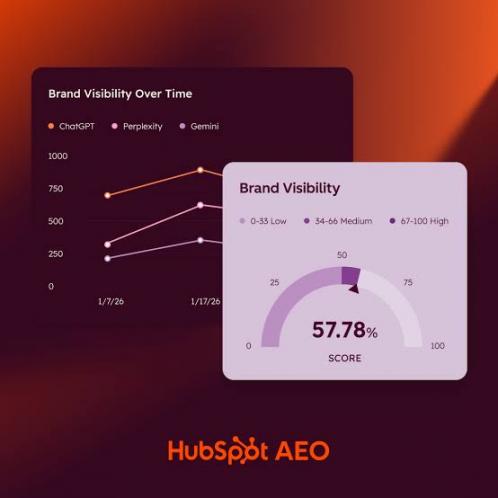
Image via HubSpot
Build your startup marketing strategy around clear answers, simple content structure, and valid proof. Also secure brand mentions across credible sites and use structured data.
FAQ
Q1. What Is a startup marketing strategy in simple terms?
A. A startup marketing strategy is how you plan to reach, win, and keep customers. It helps you choose your target audience, message, and marketing channels. It also guides how you spend your time and money. With a clear strategy, you can grow your small business without wasting resources.
Q2. How is a startup marketing strategy different from a marketing plan?
A. A startup marketing strategy sets your main goals and explains how you’ll reach them. Your marketing plan turns those goals into specific actions. It often covers campaigns, channels, timelines, budgets, team responsibilities, and metrics. Both help you stay focused and track your progress.
Q3. How much should an early-stage startup spend on marketing?
A. There’s no specific amount for every startup. Your budget depends on your cash flow, goals, and growth stage. Start with what you can afford, then test low-cost channels. As you gain customers, add more channels that bring leads and sales.
Q4. Can you market a startup with no budget?
A. Yes, you can market a startup with little or no money. Share useful social media posts, talk to potential customers directly, and ask for referrals. You can also join relevant online groups and participate in discussions. These methods may take time, but they can help you win early customers.
Q5. Which marketing channel should a startup start with?
A. Pick a single channel where your ideal buyers already spend their time. If they search online for answers, start with SEO and AEO. If they mostly use social media, share useful posts there. Then review results before adding more channels to your startup marketing strategy.
Q6. When should a startup start worrying about AI search?
A. Consider optimizing for AI search as you build your website and core content. Answer common customer questions directly, structure your content clearly, and earn third-party mentions. As your startup grows, track brand mentions in AI answers and improve your content.
Q7. How do you know if your startup marketing strategy is working?
A. Start by tracking key metrics tied to your main goal. These might be qualified leads, sales, or repeat customers. Check your results each month, then invest more in channels that support your goals.
Q8. Which marketing tools should a new startup use first?
A. Start with tools that solve a real problem. You may need a simple website, a way to collect leads, and a tool for email marketing. HubSpot Starter brings key marketing tools together in one place. You can use it to manage forms, landing pages, and marketing emails.
Ready To Launch Your Startup Marketing Strategy?
Your startup marketing strategy doesn't need a huge budget or a long list of channels. You just need clear choices and a plan you can follow.
Decide who you want to reach and why they should choose you. Then pick one channel and set a goal you can measure. Lead generation services can help you attract early prospects.
Choose one marketing goal and channel to test this week. Then track your results and use what you learn to guide your next steps.
HubSpot can help you capture leads and manage outreach in one platform. Start with its free tools, then upgrade to Starter for more automation and prospecting features as you grow.
Need help attracting the right audience? Partner with Attrock’s content marketing services to build targeted campaigns that resonate with potential buyers.
Disclaimer: This content contains some affiliate links for which we will earn a commission (at no additional cost to you). This helps us keep creating free content for you.